Jibuni治部煮
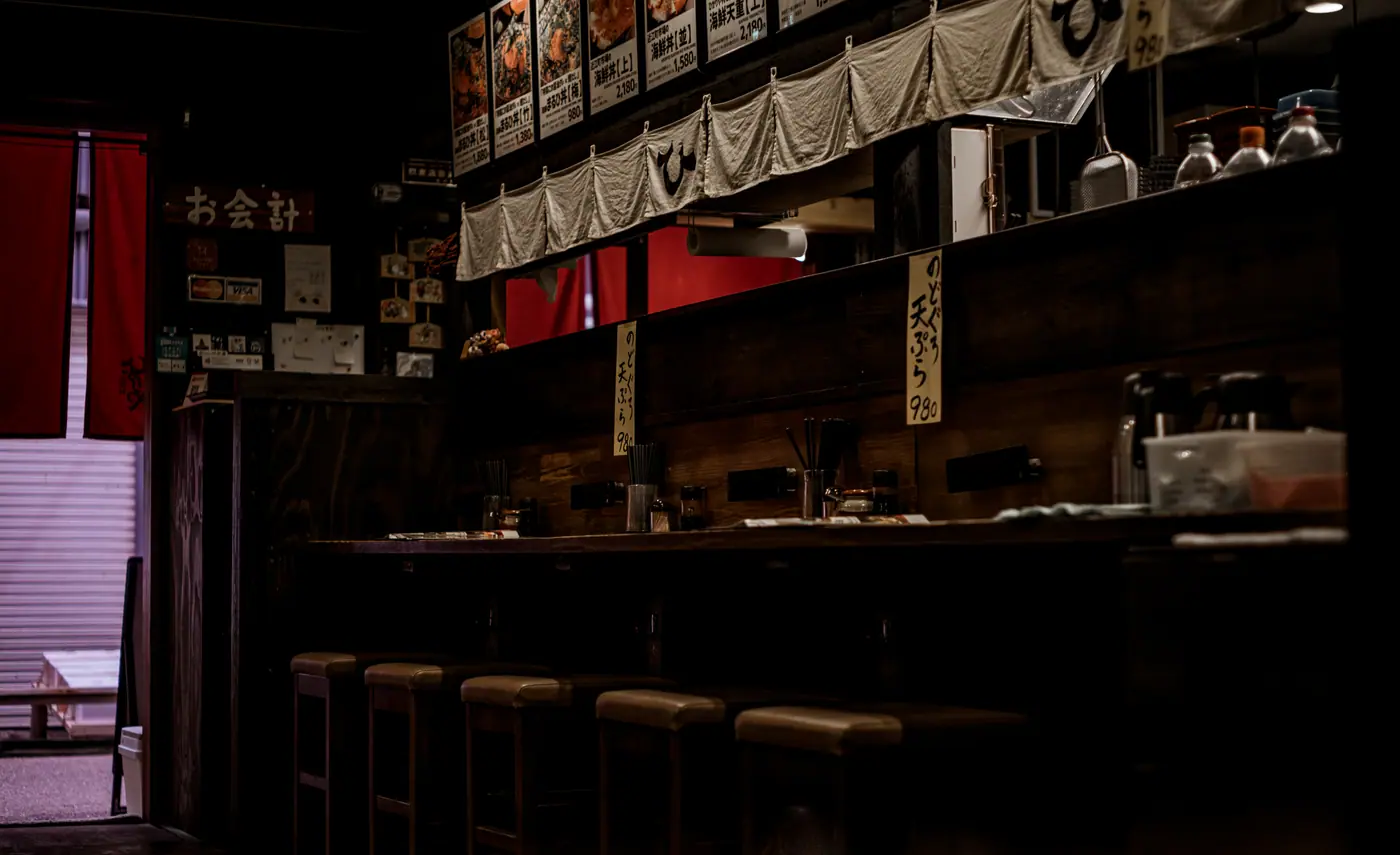
A Kanazawa stew of duck or chicken dusted in flour and simmered with wheat gluten and vegetables in thickened broth.
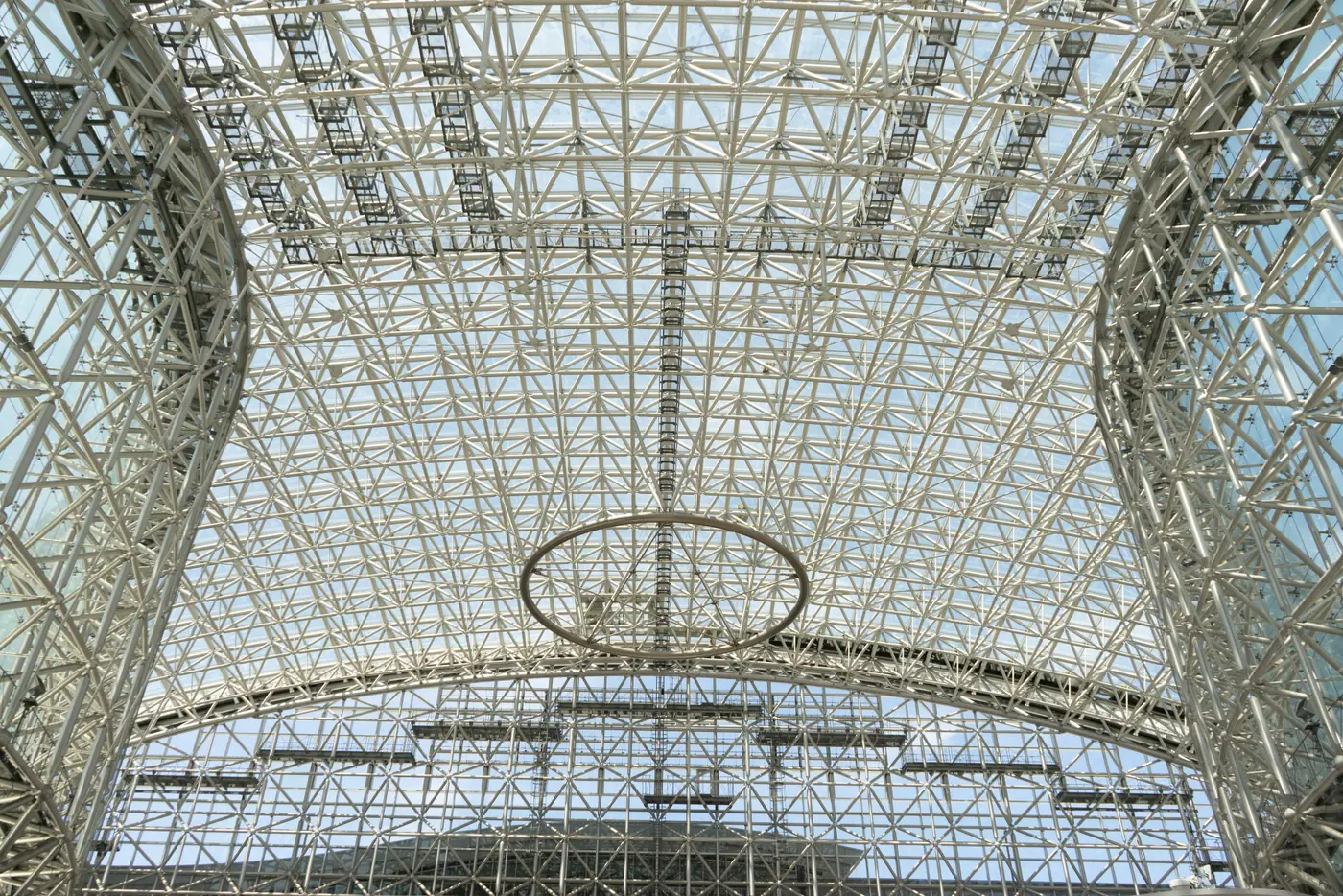
Local tips, regional food and places off the tourist trail
Home to Kanazawa, a castle town known for Kenrokuen garden, preserved geisha districts and gold leaf. Beyond the city are the Kaga hot springs and the rural Noto Peninsula.
A Kanazawa stew of duck or chicken dusted in flour and simmered with wheat gluten and vegetables in thickened broth.
Light-broth oden with local touches like kurumafu wheel gluten and, in winter, crab served in the shell.
A rich, fatty white fish prized in Hokuriku, often grilled or served as sushi.
Places mostly visited by people who live here — quieter, and often the highlight of a trip.
Lakeside park in Komatsu with a walking loop and reflections of Mount Hakusan on calm mornings. Popular with locals for jogging and canoeing.
● Mostly localsVillage of Kutani ware shops and kilns in Nomi, with bargains and a museum.
● Mostly localsDeep gorge in Hakusan city with tall cliffs and the Watagataki waterfall. A good day trip from Kanazawa.
● Mostly localsSmall private garden in Kanazawa, quieter than Kenroku-en, with a tea house and moss.
● Mostly localsSoy sauce and miso maker in Ohno, a quiet port district of old brewing houses. Sample fermented foods and eat a healthy koji lunch.
● Mostly localsModern public bath on a lake in Katayamazu with glass walls looking out over the water.
● Mostly localsThe original of Kanazawa curry: thick, dark roux on rice, topped with a pork cutlet and shredded cabbage and eaten with a fork. A local fast-food staple.
● Mostly localsTraditional yoshoku restaurant in Higashi Chaya serving omurice and hamburg steak in an old wooden townhouse. Homely food amid the teahouses.
● Mostly localsThe places most visitors come for. Worth it — just go early.
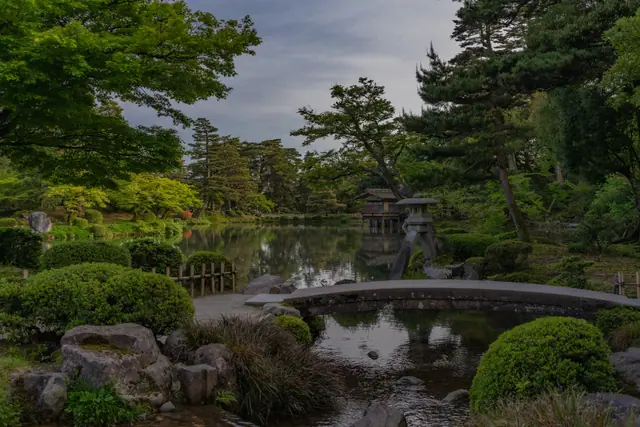
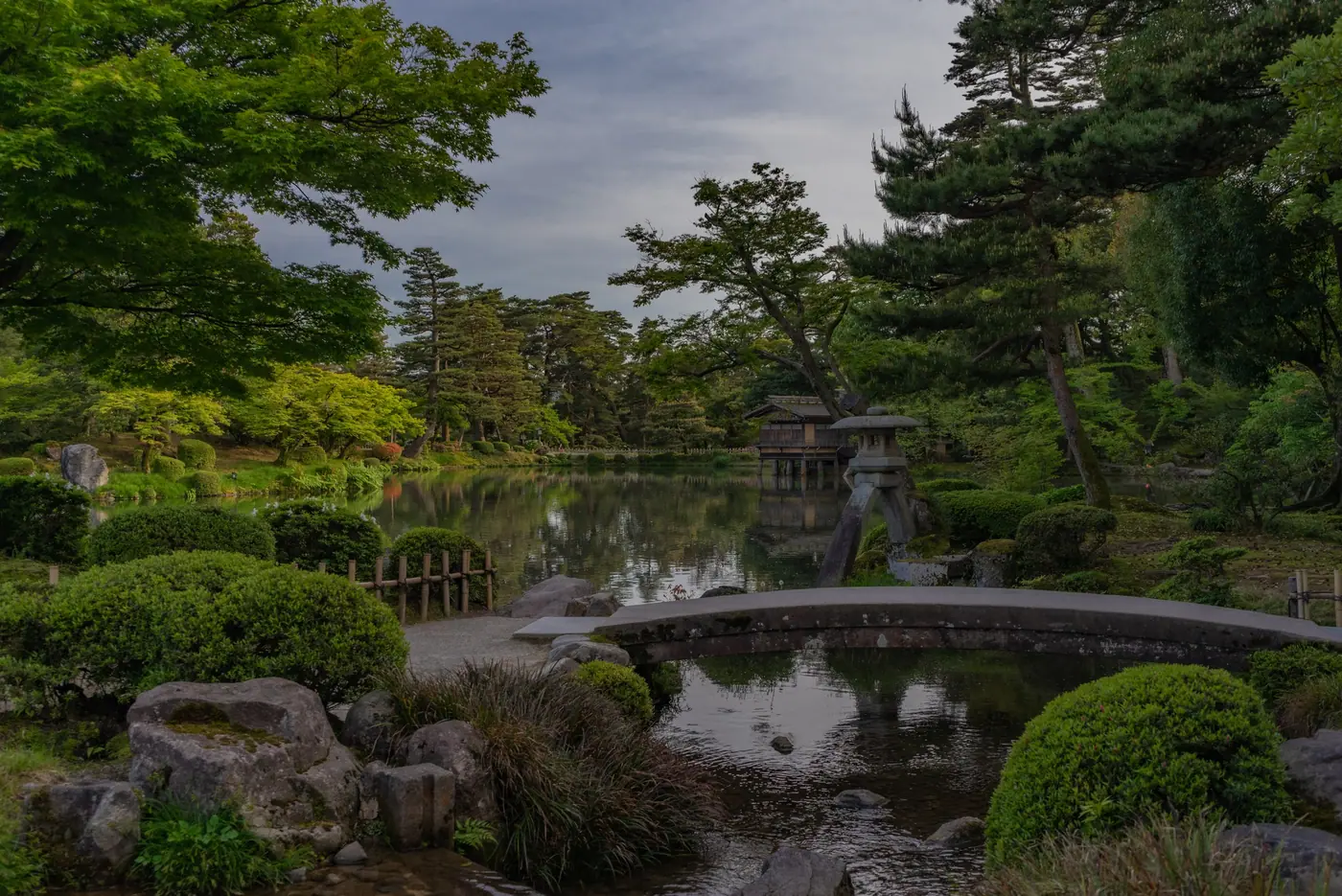
One of Japan's three great gardens, with ponds, stone lanterns and trees supported by rope 'yukitsuri' in winter. Enter via the side gates to avoid tour groups.
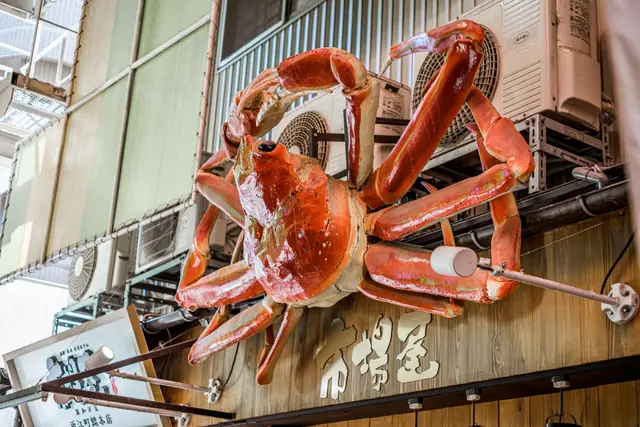
Kanazawa's lively fish market with stalls of snow crab, oysters and sea urchin, plus counters serving kaisendon. Arrive early to beat the lunch lines.
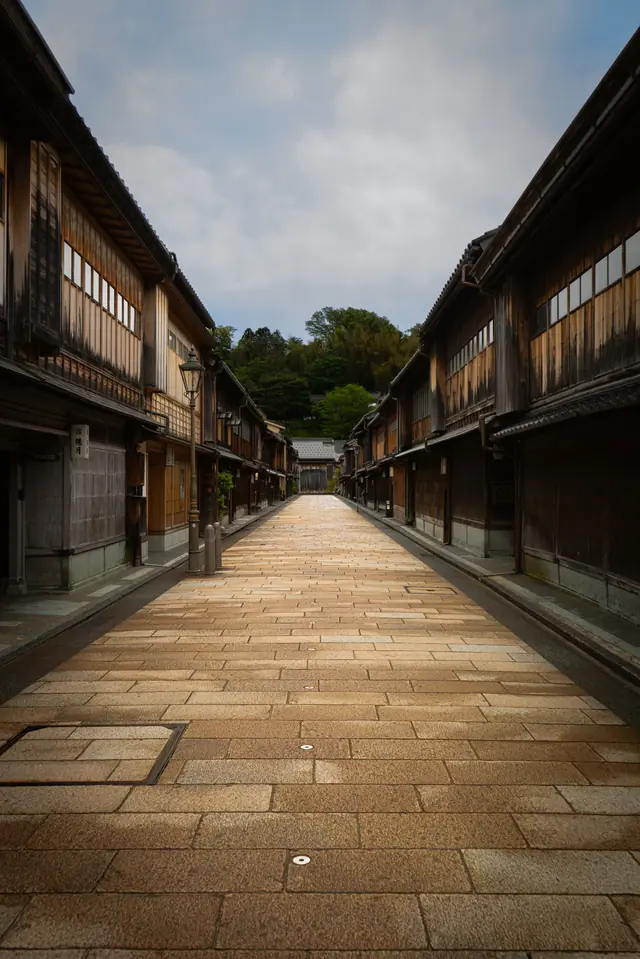
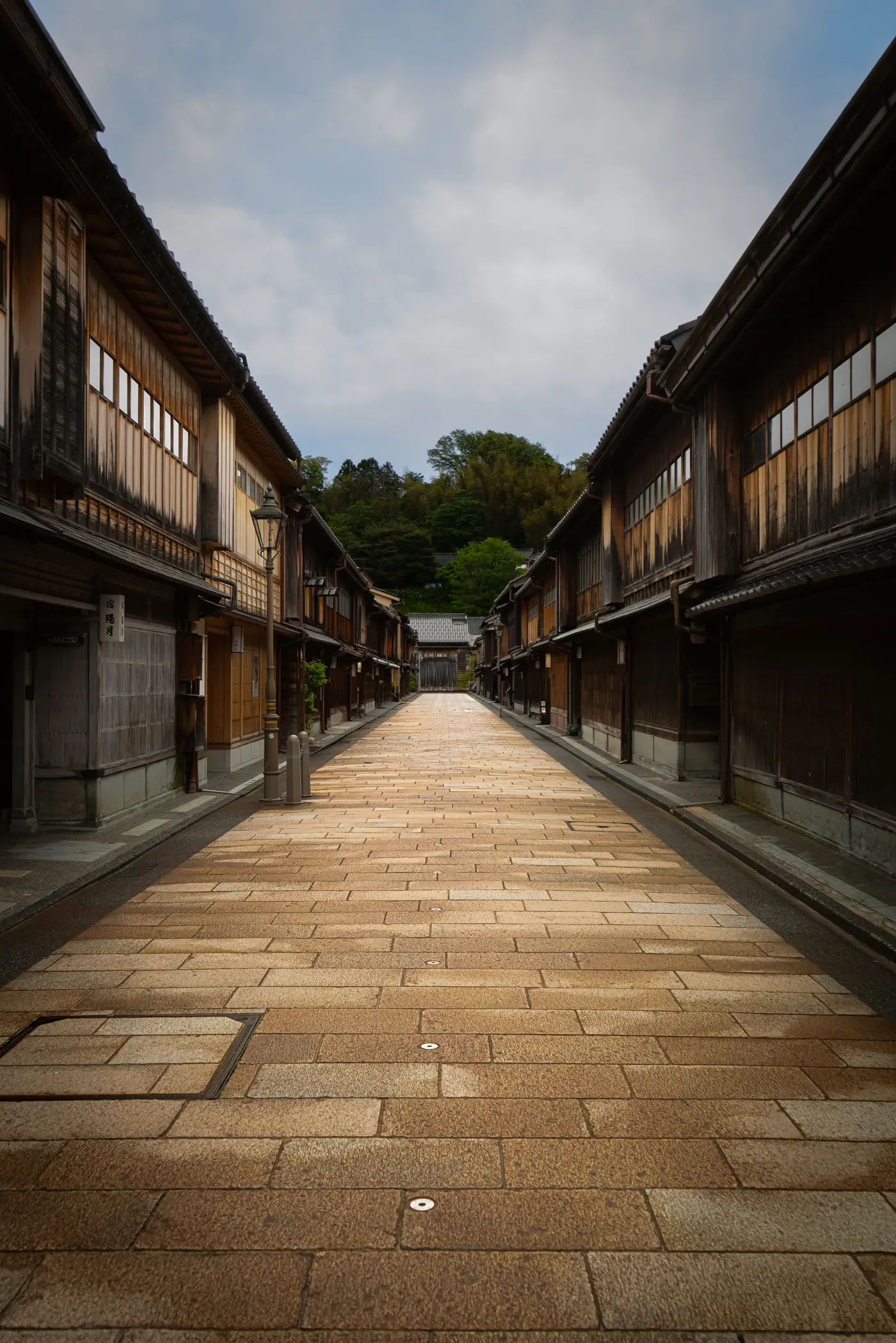
Kanazawa's best-preserved Edo-period geisha district: two-story wooden teahouses with latticed fronts along stone-paved lanes east of the Asano River.
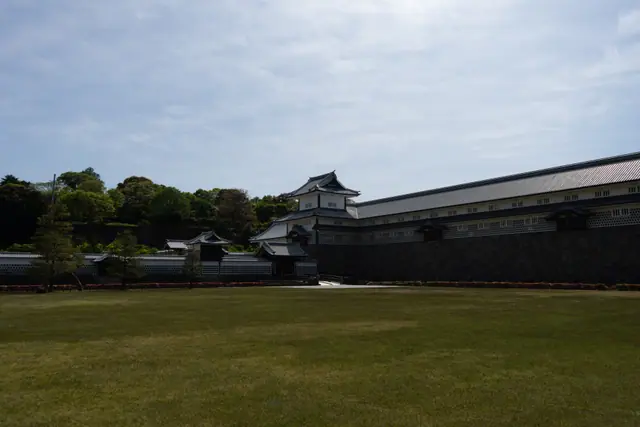
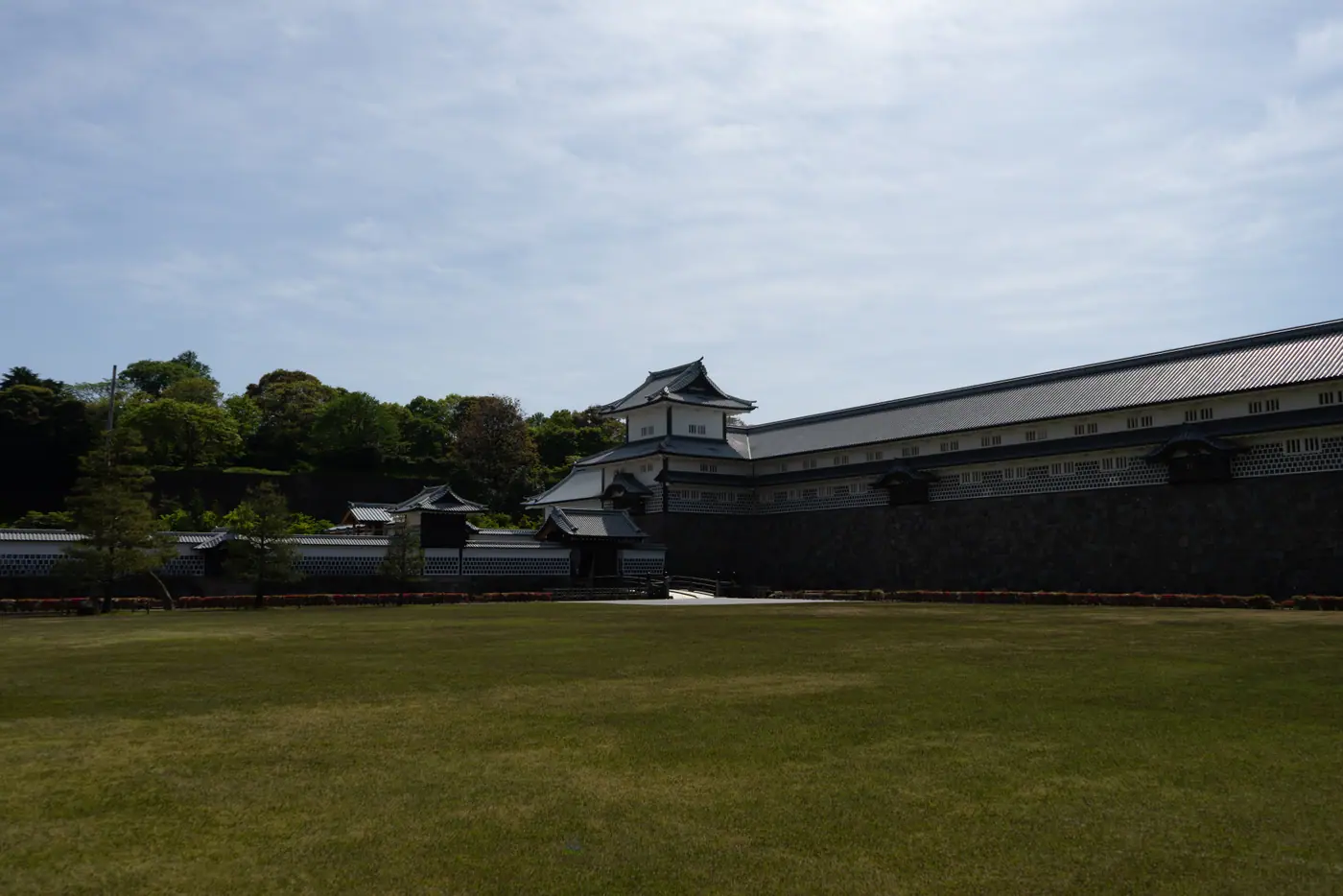
Grounds of the Maeda clan's castle, with reconstructed white-tiled turrets and gates beside Kenroku-en. Don't skip Gyokusen-inmaru Garden on the west side.
Round glass contemporary art museum, famous for Leandro Erlich's 'Swimming Pool'. Much of it is free to wander.
Lanes of earthen walls and canals where mid-ranking samurai lived. The walls are wrapped in straw mats in winter to protect them from snow.
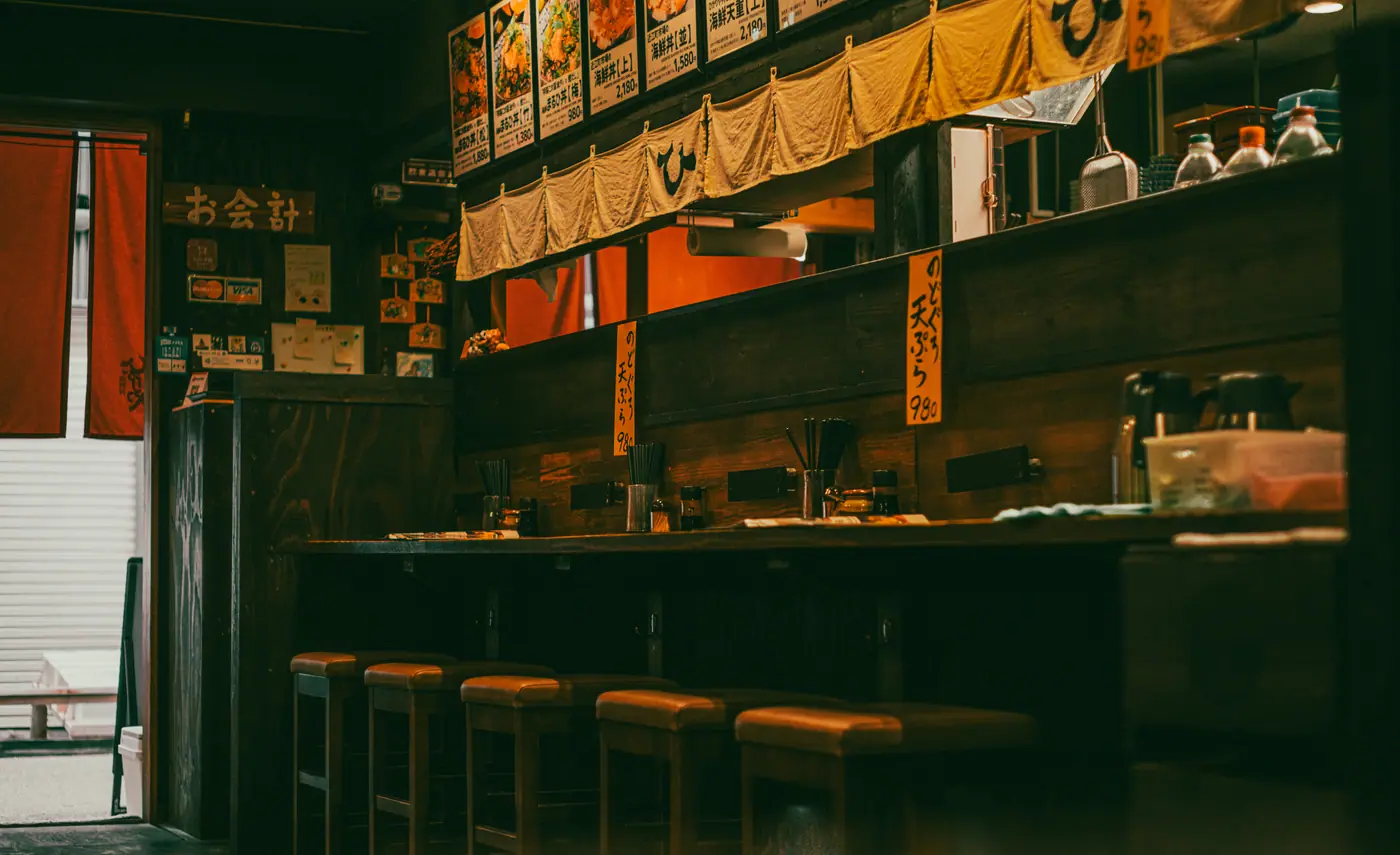
A well-regarded oden restaurant in Kanazawa, celebrated as an iconic spot to enjoy the city's beloved local oden tradition. Kanazawa-style oden is a regional specialty,…
Temple full of hidden stairs, trapdoors and secret rooms built to defend the lords. Tours only by reservation.
See all 37 places on the map →
Castles, temples, shrines, parks and nature spots, each with tips, the best time to go and what's nearby.
Gold-leaf products, Kutani porcelain and Kanazawa wagashi (traditional sweets).
Spring for cherry blossoms at Kenrokuen, and late fall to winter for crab and yukitsuri; winters are gray and wet.
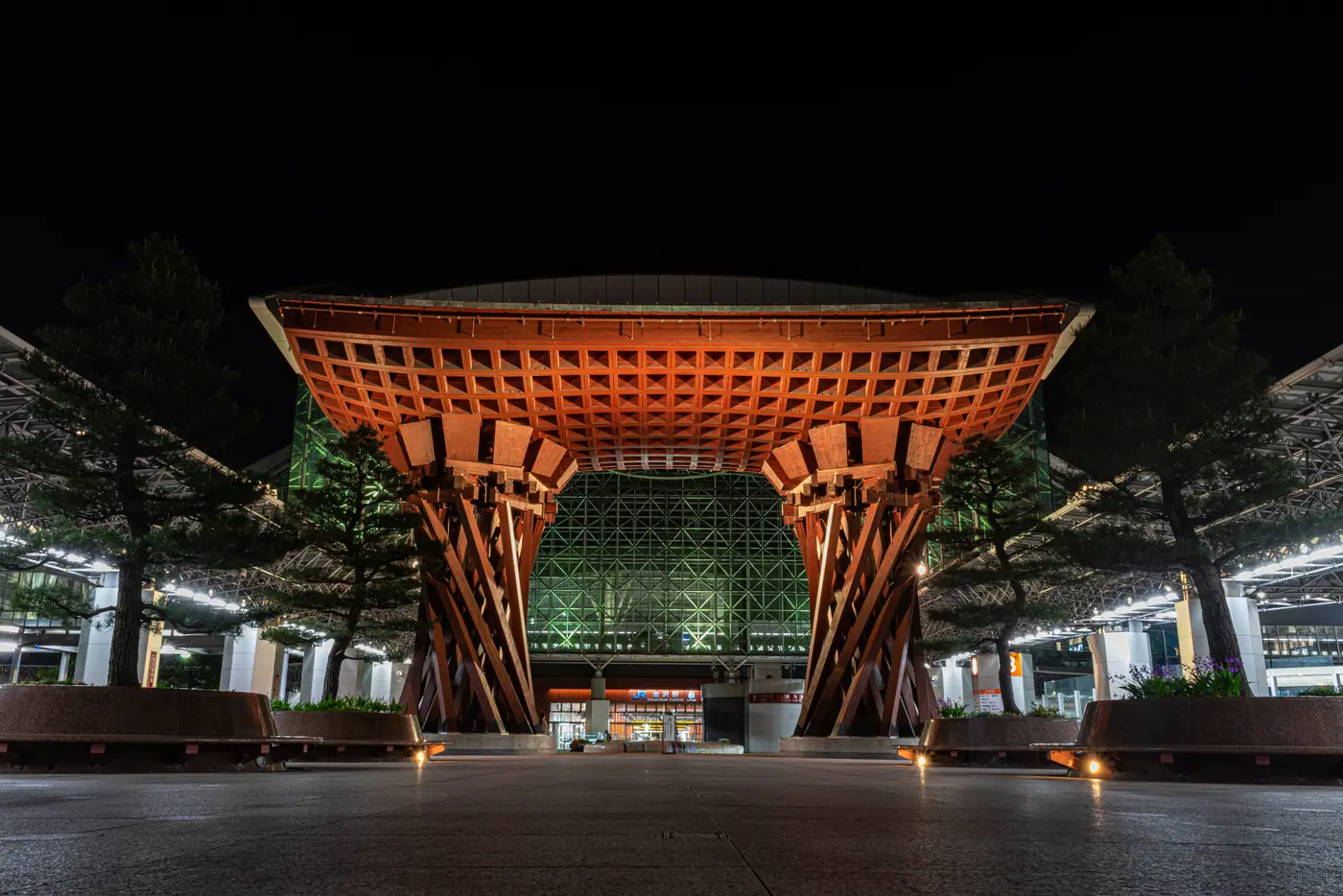
How to spend a day in Kanazawa: arriving through the Tsuzumi Gate, Kenrokuen garden and Kanazawa Castle, the teahouse…
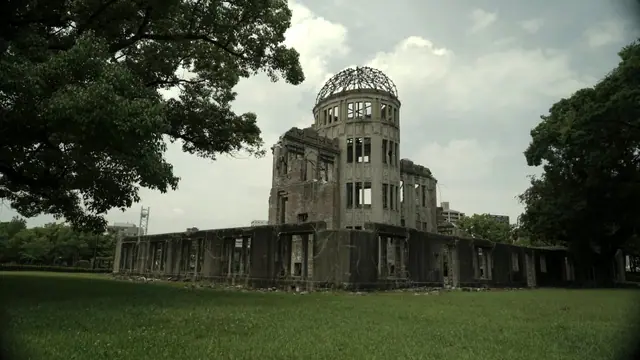
A respectful, practical guide to the Atomic Bomb Dome, the Peace Memorial Museum (hours, ¥200 entry, when to book),…