Hiroshima Peace Memorial Park and the Atomic Bomb Dome
At 8:15 a.m. on August 6, 1945, the first atomic bomb used in war exploded over central Hiroshima. The Peace Memorial Park now covers the neighborhood that stood beneath it. It's a place to slow down, and most visitors say it's the most moving thing they see in Japan. This guide covers what's in the park, how to visit the museum, and how to fit it into a day.
Getting there
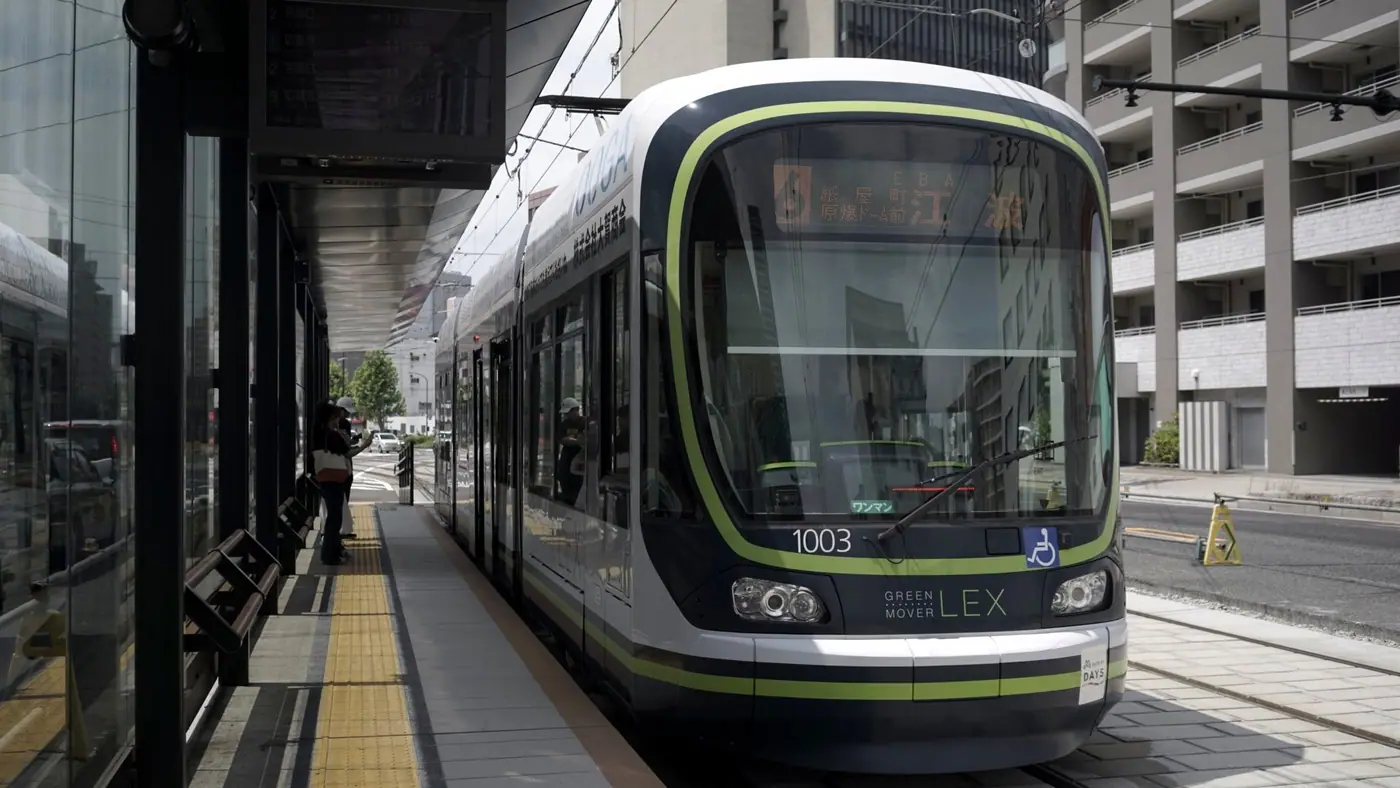
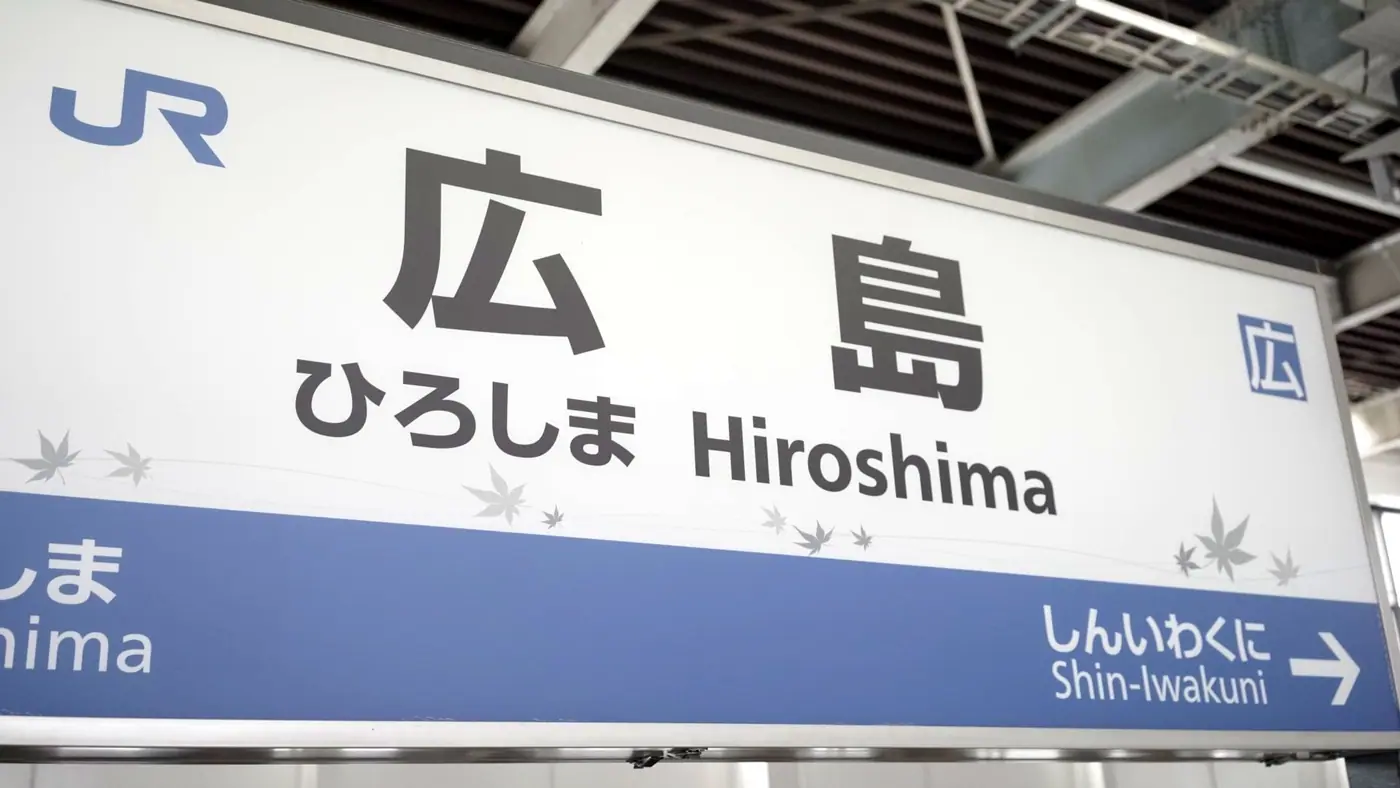
From Hiroshima Station, take a Hiroden streetcar on line 2 or 6 to Genbaku Dome-mae (原爆ドーム前). The ride takes about 15 to 20 minutes, and the stop is right next to the Dome. The streetcars are an easy way to get around the city; you can pay with an IC card.
The Atomic Bomb Dome
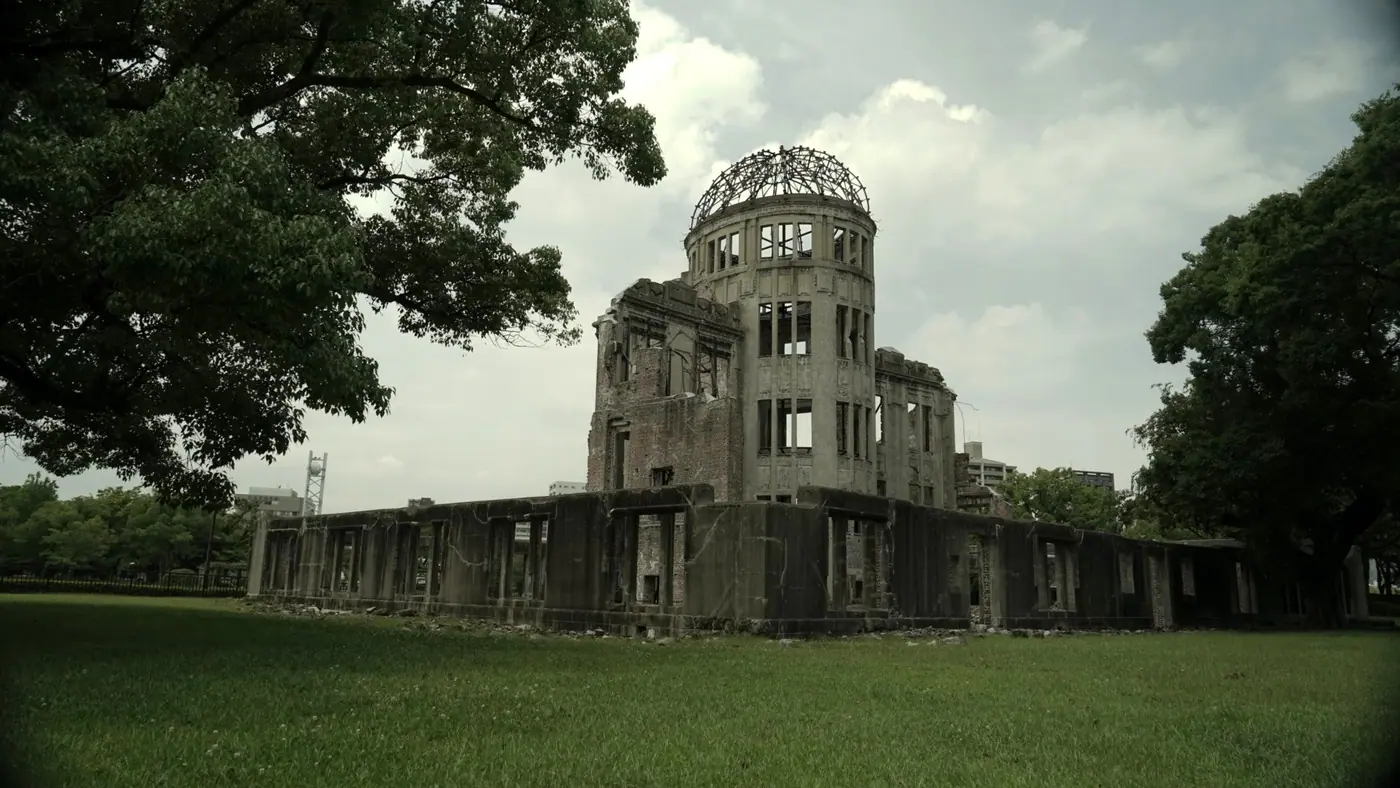
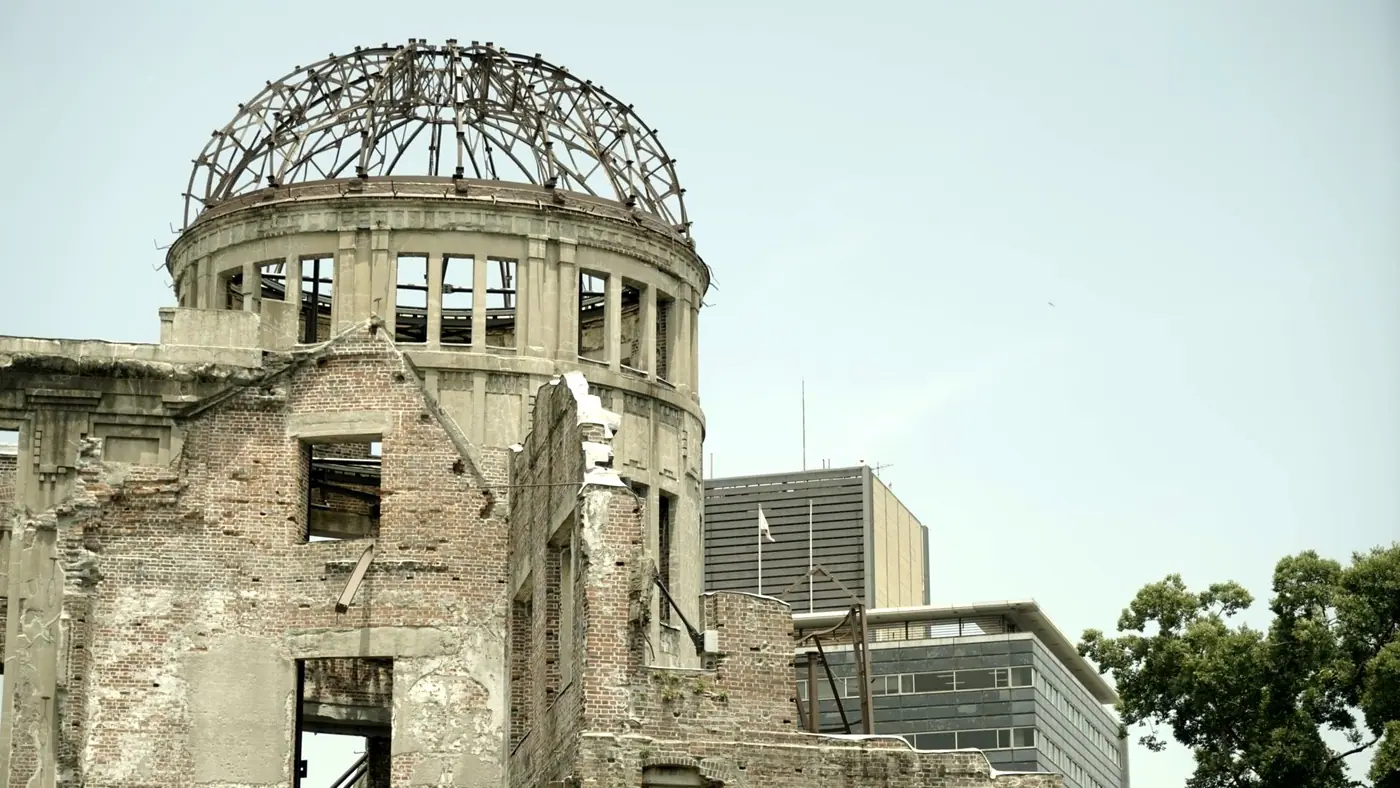
The Dome was built in 1915 as the Hiroshima Prefectural Industrial Promotion Hall, a modern exhibition building designed by the Czech architect Jan Letzel. The bomb exploded almost directly above it. Everyone inside was killed, but parts of the walls and the steel frame of the dome survived.
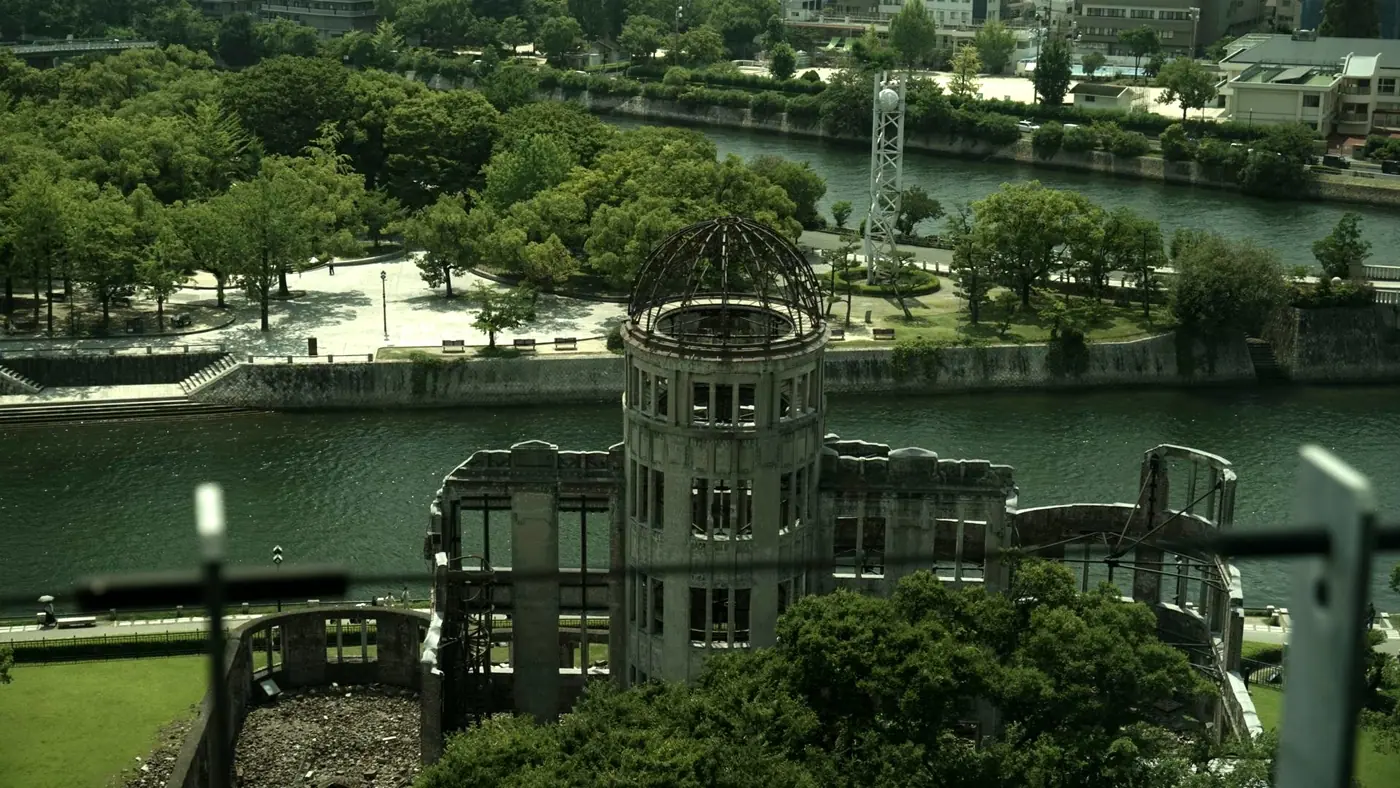
After the war there was a long debate about whether to tear it down. The city decided to preserve it exactly as it was, and in 1996 it became a UNESCO World Heritage Site. You can't go inside; you view it from the paths around it, including from the riverbank across the Motoyasu River.
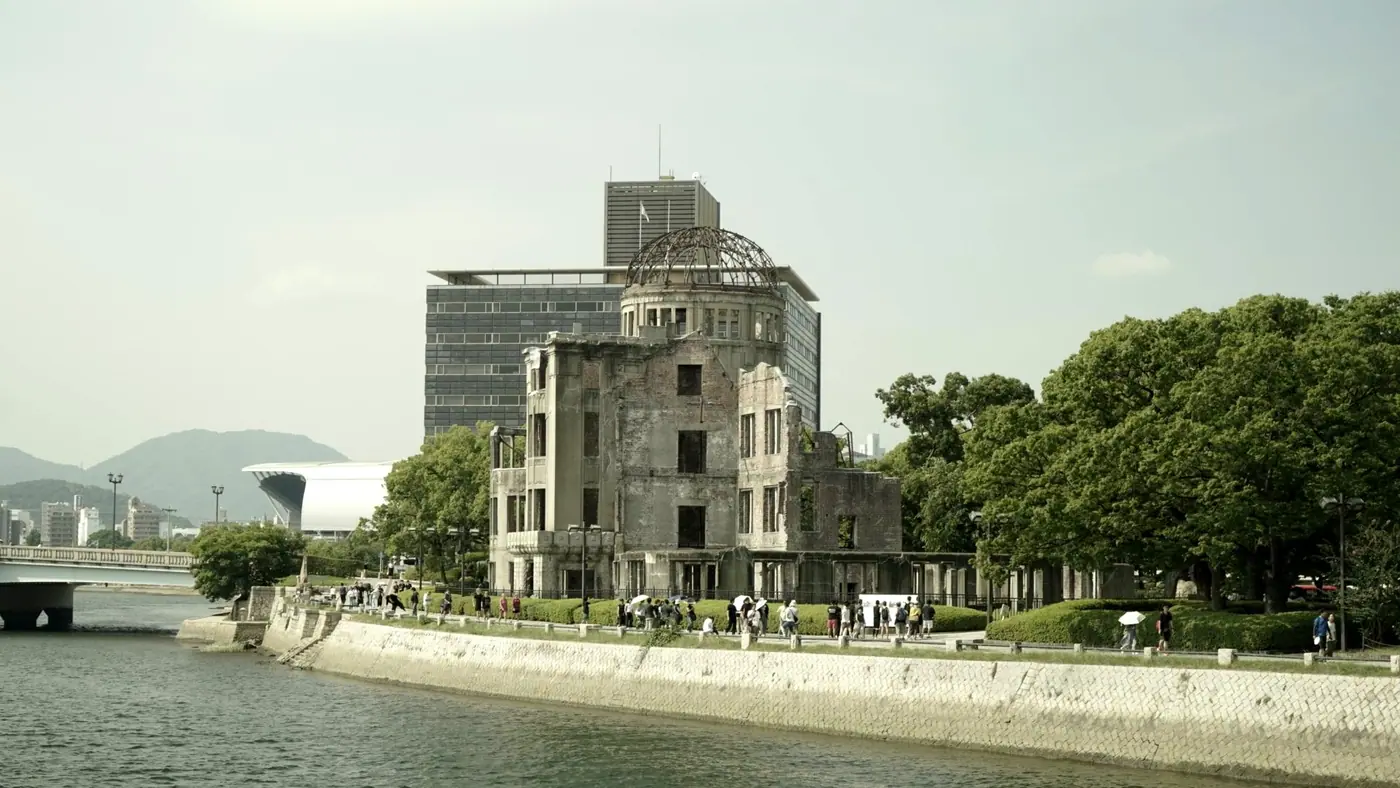
The Dome is lit after dark, and the park is much quieter in the evening.
Walking through the park
The park lies on a long island between two rivers, south of the Dome. The main memorials sit on one line, designed by the architect Kenzo Tange:
- Children's Peace Monument: dedicated to Sadako Sasaki, who was two when the bomb fell and died of leukemia at twelve. She folded paper cranes hoping to recover, and today schoolchildren from all over Japan send strings of cranes that hang in the glass booths around the monument.
- Flame of Peace: a flame that will burn until all nuclear weapons are gone.
- Cenotaph for the A-bomb Victims: the saddle-shaped arch holds the names of those who died. Stand in front of it and look through the arch: the Flame of Peace and the Dome line up in the frame.
- Peace Bell: visitors can ring it. The bell's surface shows a world map with no borders.
Spend some time walking between them. The park is free and open at all hours.
The Peace Memorial Museum
The museum at the south end of the park tells the story of the bombing and the people who lived through it. It's built around personal belongings, photos and survivors' accounts, and parts of it are hard to look at. It's not recommended to rush it.
- Admission: ¥200 for adults, ¥100 for high school students, free for younger children
- Hours: opens at 7:30. Closing is 19:00 for most of the year, 18:00 from December to February, and later in August. Closed December 30 and 31.
- Time needed: at least 1.5 to 2 hours; more with the audio guide
On the busiest days (Golden Week, August and the autumn travel season), the museum may require online reservations for early-morning and evening entry. Daytime entry usually doesn't need one. Check the official website before you go, and arrive early to avoid long lines at the ticket desk.
How to plan the day
- Morning: start at the Dome, walk south through the park, and finish at the museum.
- Lunch: try Hiroshima-style okonomiyaki, a layered savory pancake with cabbage and noodles cooked on a griddle in front of you. There are many shops in the streets around the park and downtown.
- Afternoon: head out to Miyajima.
A direct boat leaves from beside the park and reaches Miyajima, the island with the floating torii, in about 45 minutes, so the two fit comfortably into one day. If you're short on time, a guided day tour that covers the Peace Park and Miyajima, ferry included, is the easiest option.
Being respectful
The park is a memorial and a cemetery in spirit. Photos are fine, but keep your voice down, don't climb on monuments, and give space to people who are praying or leaving cranes. On August 6, the Peace Memorial Ceremony draws tens of thousands of people; visiting that day is meaningful, but plan for very large crowds.
You can find the park and the rest of the prefecture on the Hiroshima guide and the NipponNavi map.