How to Plan a Cherry Blossom Trip to Japan (and Not Miss the Bloom)
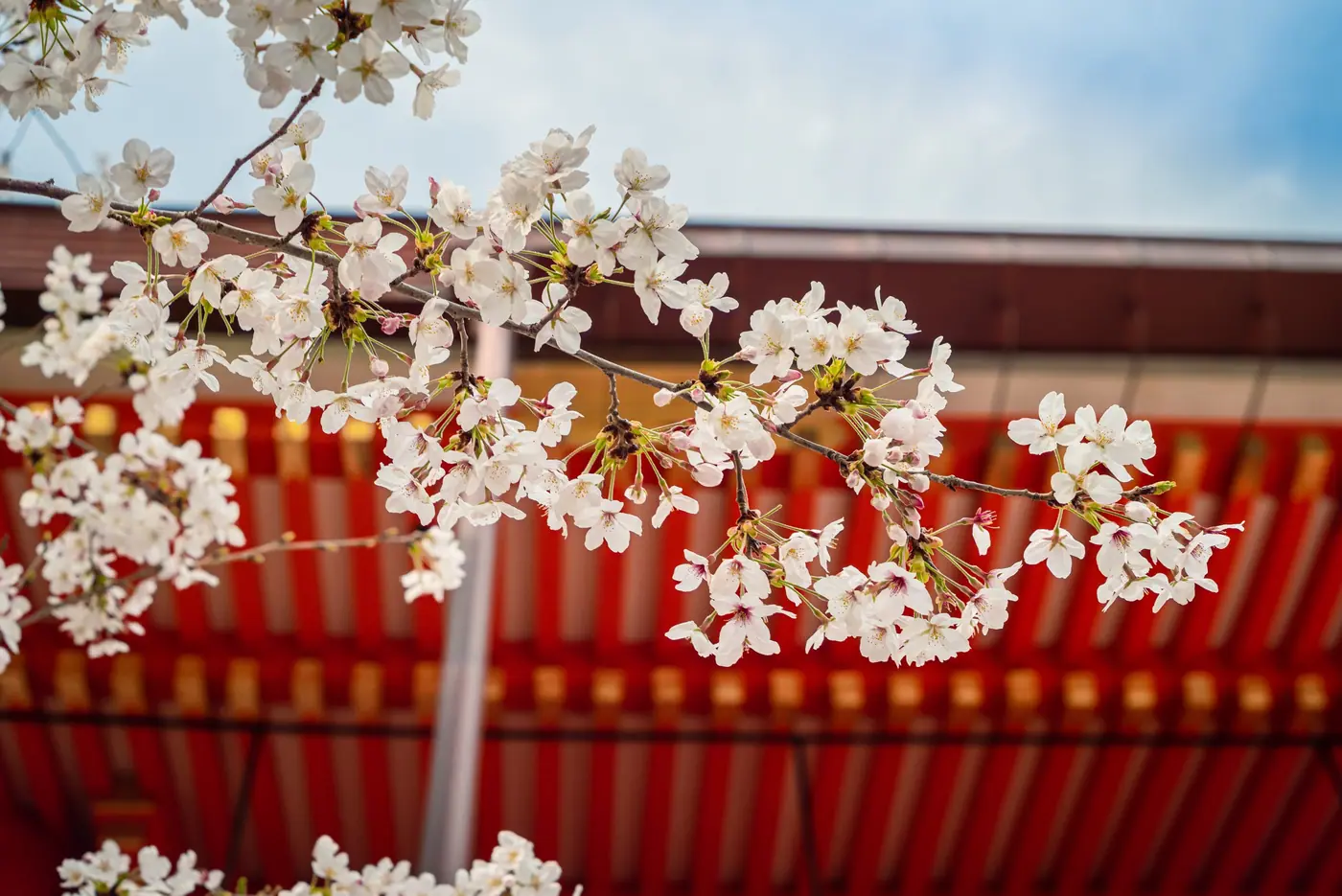
The hardest part of a cherry blossom trip isn't finding the blossoms. It's planning a trip months in advance around a bloom that lasts a week and can shift by ten days from year to year. Here's how to plan so that you see them, even if the timing doesn't go your way.
1. Pick a window, not a date
For Tokyo, Nagoya, Kyoto and Osaka, full bloom usually falls somewhere between the last week of March and the first week of April. Recent years have often been early: in 2026, first bloom came in Nagoya on March 17 and in Tokyo on March 19.
The safest plan is a trip of 10 days or more that covers both of those weeks. On a shorter trip, aim for the end of March to the first days of April, the dates most likely to overlap with the bloom.
For when it blooms in each region, see our cherry blossom season guide.
2. Book early, and keep it cancelable
Late March and early April is one of the busiest travel periods of the year. Japanese students are on spring break, and visitors come from all over the world. Hotels in Kyoto fill up first and get much more expensive.
- Flights and hotels: book 4–6 months ahead if you can, so around October to December for an early-April trip.
- Choose rates you can cancel for free. When the forecasts get more reliable in February and March, you can adjust your trip.
- Base yourself near a major station. Staying near Kyoto, Osaka or Nagoya Station makes it easy to move quickly if the bloom comes early or late.
3. Follow the forecasts
The first forecasts come out in winter and are updated frequently. Watch them from February onward:
- February: the first reliable estimates for each city.
- March: weekly updates, then daily bloom reports. Bloom-watch sites track hundreds of individual parks.
- A week before: you'll know which cities will be in full bloom during your trip.
4. Plan a route you can rearrange
Plan your itinerary so that you can swap the order of cities. If Tokyo is in full bloom when you arrive but Kyoto isn't yet, spend your first days in Tokyo. If you arrive late and the blossoms in Tokyo and Kansai are already falling, you can follow the bloom north and into the mountains.
A rail pass makes this flexibility easy, because you can change your plans without buying new tickets.
5. Have a backup for early or late arrivals
Even if you miss full bloom in the big cities, you can still find blossoms:
- Arrived too early? Look for weeping cherries (shidarezakura), which often bloom a few days before the Somei Yoshino. In February, the early-blooming kawazu-zakura cherries in Izu are an option for very early trips.
- Arrived too late? Double-flowered cherries (yaezakura) bloom about one to two weeks later. The Osaka Mint opens its avenue of late-blooming cherries in mid-April (with advance registration). In the mountains and in Tohoku, the blossoms come in mid- to late April, and in Hokkaido in early May.
- Petals falling? Look for hana-ikada, petal rafts on rivers and moats. It's one of the most beautiful sights of the season.
6. Plan your days around the crowds
- Mornings: the top spots are quietest from sunrise until about 8 a.m. This is the time for photos.
- Weekdays: much less crowded than weekends, especially the weekend of full bloom.
- Evenings: many parks and castles light up the trees after dark (yozakura). Try a famous spot in the morning, then a light-up at night.
- Smaller spots: a local riverside or temple with a few dozen trees can be just as beautiful as a famous park, without the crowds.
7. What to pack
- Layers. Late March can be cool, especially in the evening, around 5–10°C after dark.
- A small picnic sheet for hanami. Convenience stores sell cheap ones in season.
- Rain gear. Spring weather changes quickly.
- Mobile data. You'll be checking forecasts, maps and bloom reports constantly.
A sample 10-day trip
- Days 1–3: Tokyo. Ueno Park, Chidorigafuchi and the Meguro River.
- Days 4–5: Nagoya. Nagoya Castle and the Yamazaki River, with a day trip option to Ena Gorge.
- Days 6–8: Kyoto. Maruyama Park, the Philosopher's Path and the Gion light-ups.
- Days 9–10: Osaka. Osaka Castle Park and evening food in Dotonbori.
Check the forecasts a week before you leave. If Kansai is further along than Tokyo, run the route in reverse and start in Osaka and Kyoto. If the whole season is late, spend more time at the end of the trip, when the trees are most likely to be in bloom.
You can save each stop to your trip in the NipponNavi app and see them all on the map.