Yasaka Shrine, Maruyama Park, and the Yasaka Pagoda: A Walk Through Kyoto's Higashiyama
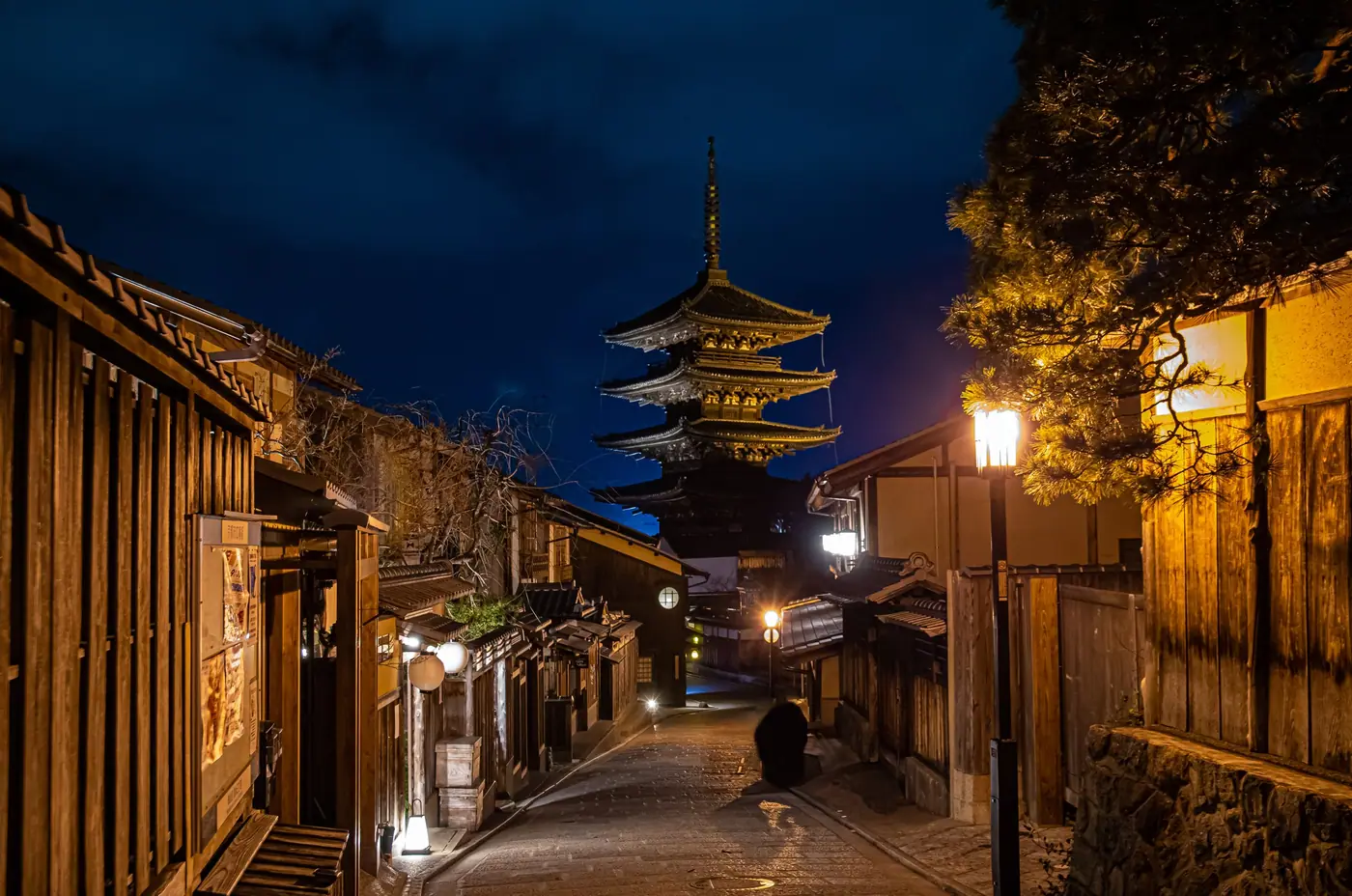
Kyoto has plenty of famous names, but some of its best stretches are the short ones. Between Gion and Kiyomizu-dera, three stops sit within about a 15-minute walk of each other: Yasaka Shrine, Maruyama Park, and the five-story pagoda of Hokan-ji. Together they make an easy half day on foot, and all three are best at different times of day.
Yasaka Shrine
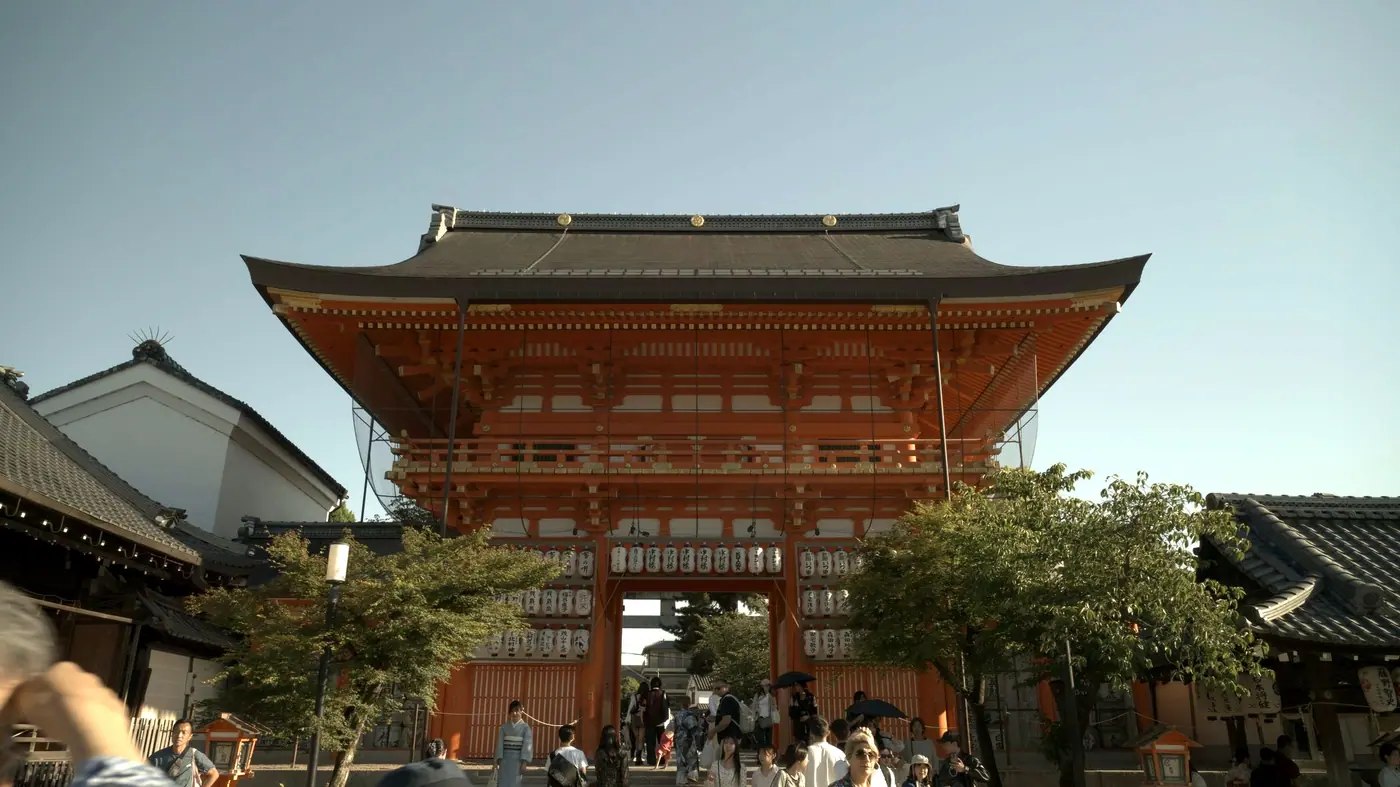
Start at the eastern end of Shijo-dori, where the street ends at the bright vermilion gate of Yasaka Shrine (八坂神社). Locals often call it "Gion-san," and it is the head shrine of the Gion Matsuri, Kyoto's biggest festival, held through July.
The shrine's history goes back to at least 876, when it was founded to ask for protection from epidemics. That origin is also how the Gion Matsuri began.
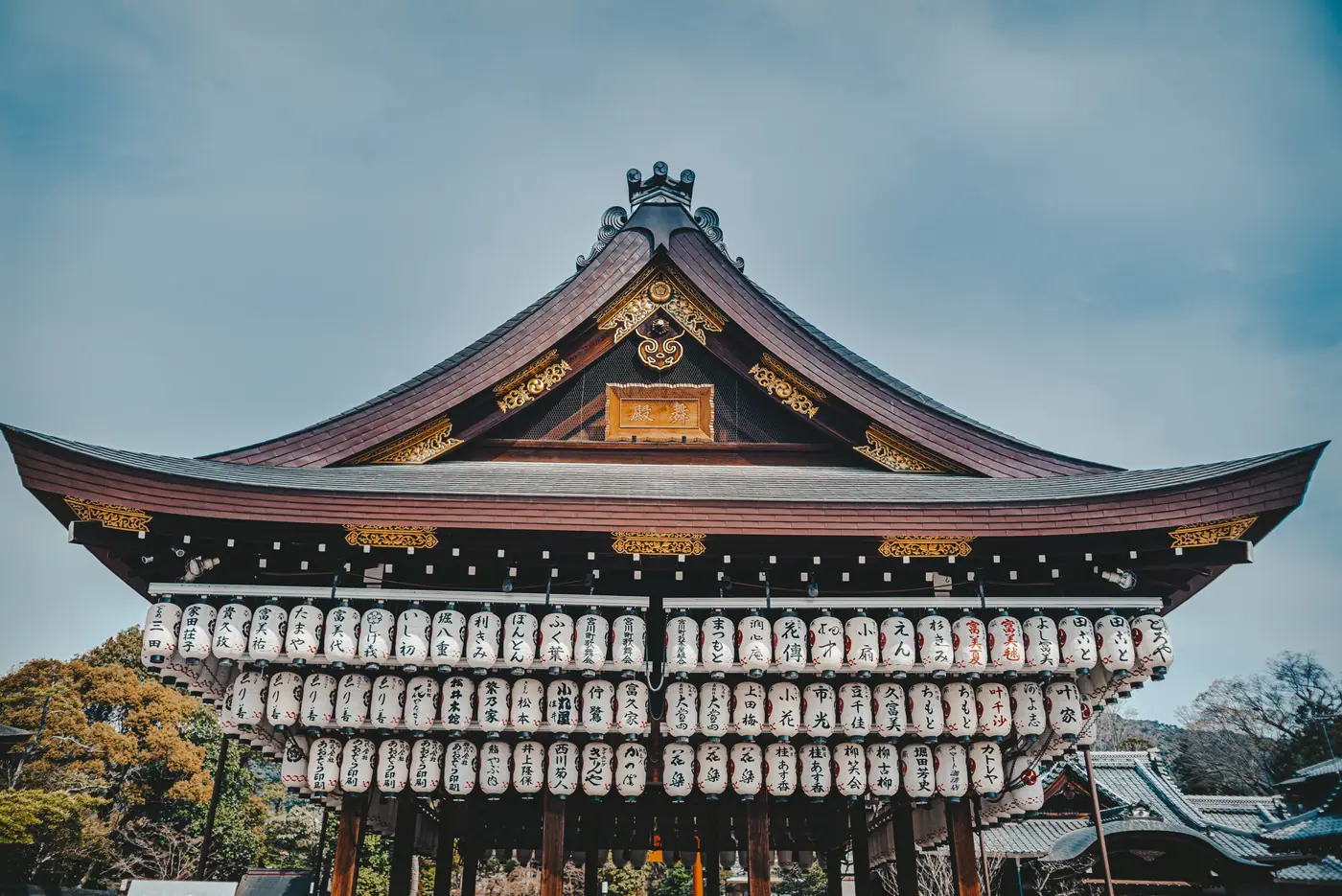
A few practical points:
- It's free and always open. There is no gate time and no ticket, so you can fit it in at any hour.
- Go after dark if you can. The grounds are lit by lanterns, and the vermilion buildings look especially good against the night sky.
- Goshuin are available if you collect temple and shrine stamps.
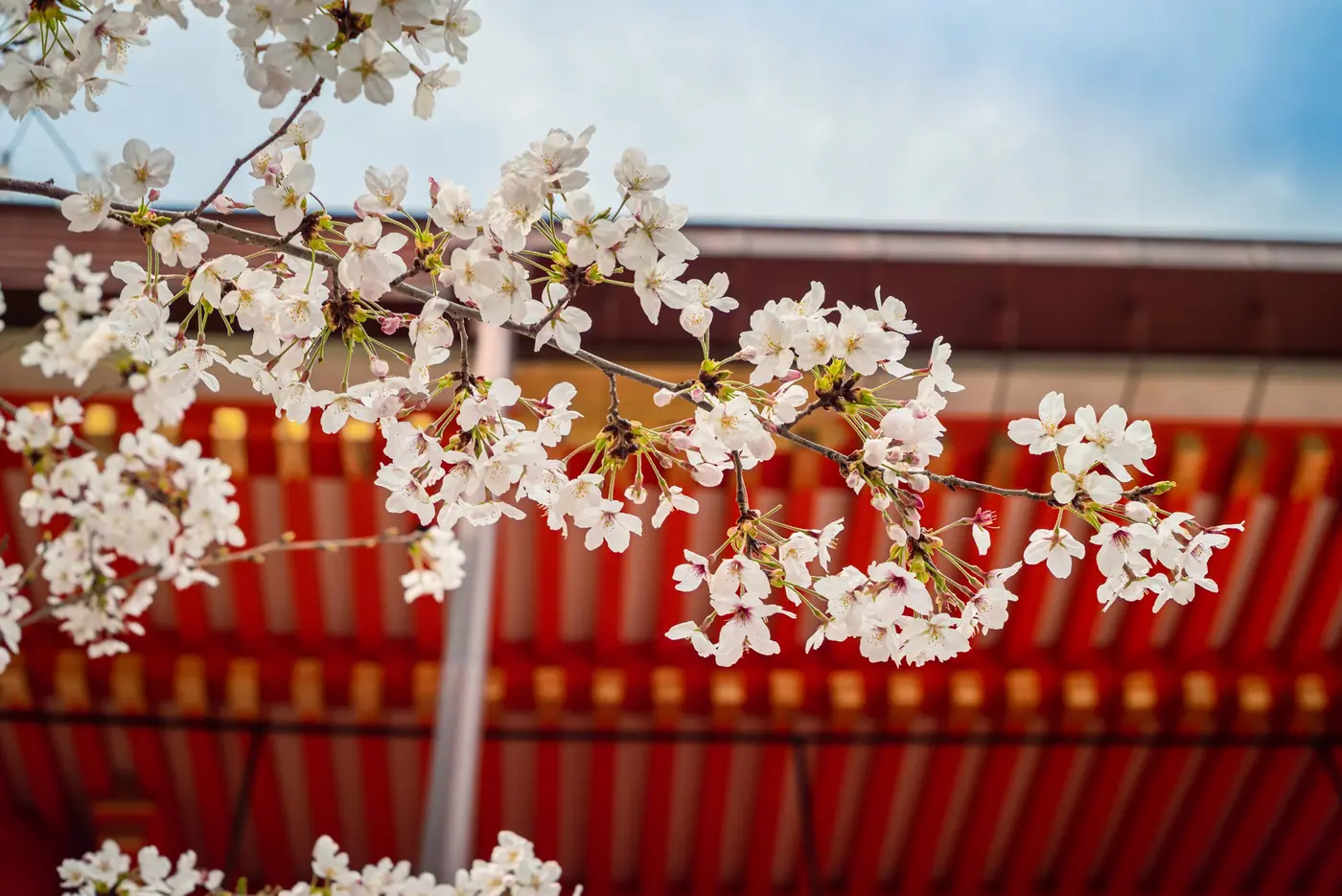
- Spring brings blossoms to the grounds and the park right behind it.
Maruyama Park
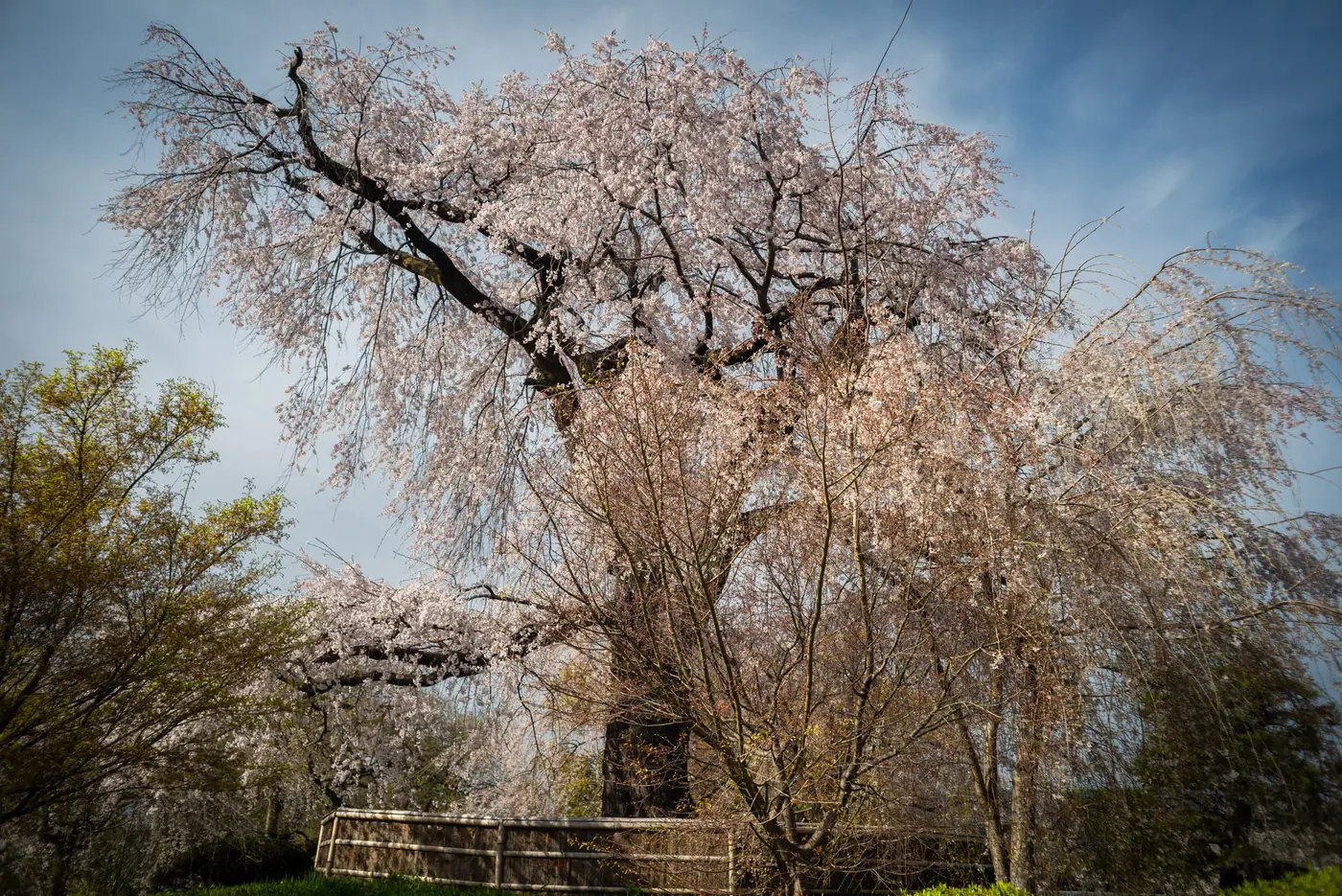
Walk through the shrine and out the back, and you are in Maruyama Park (円山公園), Kyoto's classic cherry blossom park. It is a landscaped garden with a pond, paths, and roughly 680 cherry trees.
The centerpiece is the weeping cherry known as the Gion shidare-zakura, which stands on a small fenced rise. The original tree grew here for around 200 years before it died in 1947. The tree you see now grew from its seeds, and it is lit after dark, which is why it is also called the "night cherry" of Gion.
When to go:
- Late March to early April is blossom season. The park is at its most beautiful then, and also at its most crowded, especially in the evening.
- Any other time of year it is a quiet, free place to slow down between the shrine and the lanes of Higashiyama.
Hokan-ji and the Yasaka Pagoda
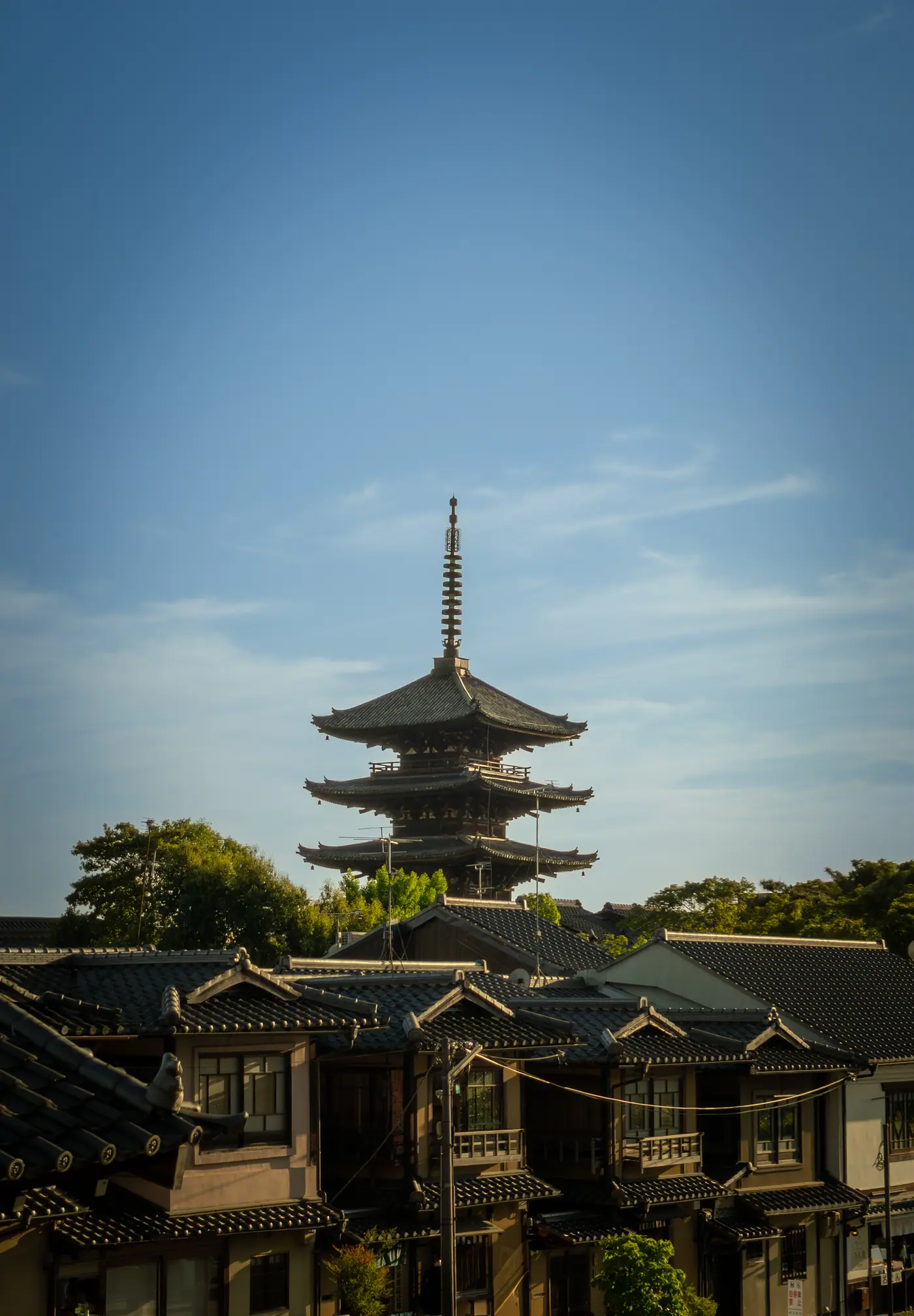
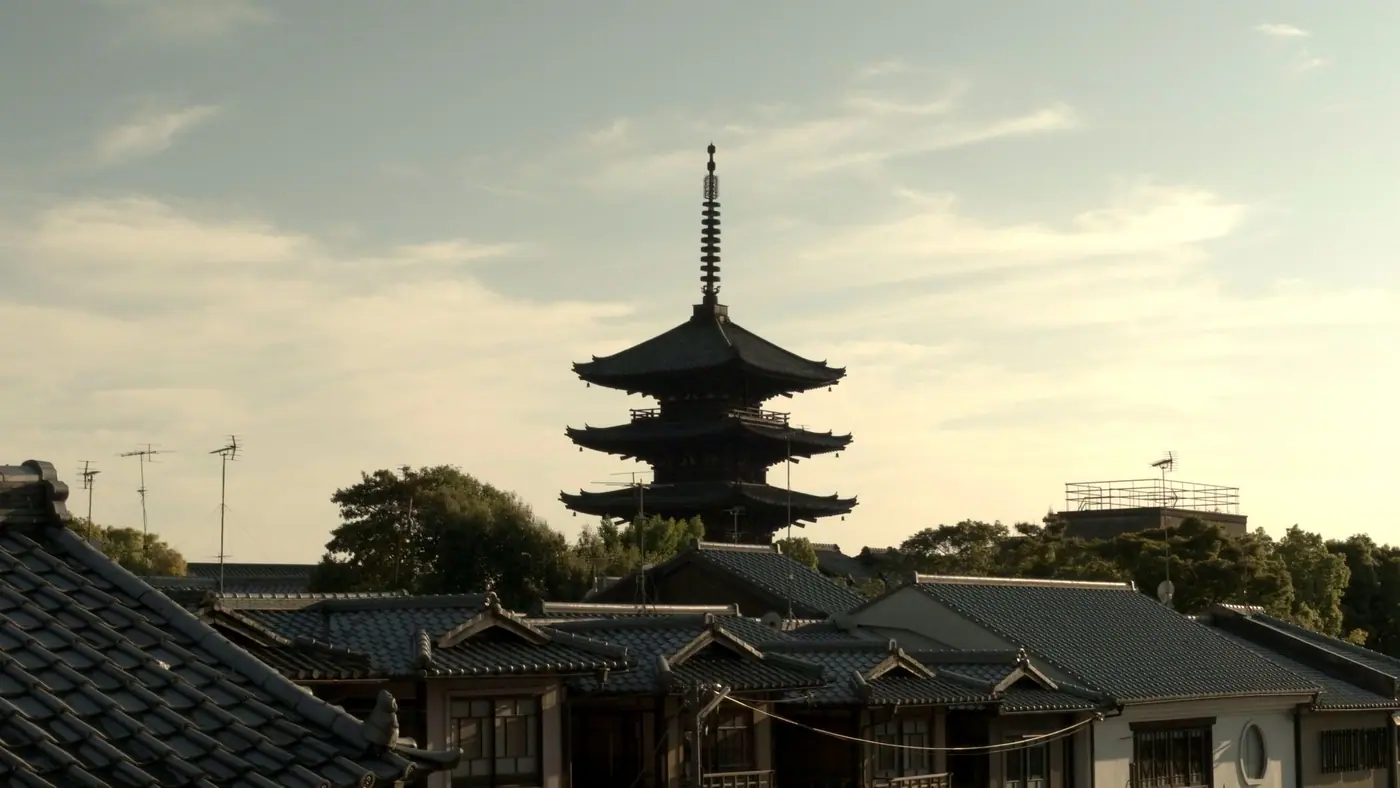
From the park, head south through the quiet lanes toward Kiyomizu-dera and the pagoda will appear above the rooftops. This is Hokan-ji's Yasaka Pagoda (八坂の塔), one of the most recognizable sights in Kyoto.
Hokan-ji is a Zen temple, and tradition says it was founded in the late 500s. The pagoda you see now dates to 1440, when it was rebuilt, and it is an Important Cultural Property.
Good to know:
- The famous view is from the street. The stone lanes of Yasaka-dori frame the pagoda perfectly. Early morning is the quietest time, and evening has the best light.
- The inside opens only on certain days, and only during the daytime, so check ahead if you want to go in. When it is open, you can see Buddhist statues and the timber structure on the lower floors.
- There is a small entry fee, no parking, and no coin lockers. Bring cash.
- Be respectful in the lanes. These are residential streets, so keep voices down and don't block doorways when taking photos.
Getting there
- Yasaka Shrine and Maruyama Park: about a 10-minute walk from Gion-Shijo Station on the Keihan line, or a short walk from the Gion bus stop.
- Hokan-ji: about a 5-minute walk from the Higashiyama Yasui or Kiyomizu-michi bus stops.
Putting it together
A simple order that works well: Yasaka Shrine first, then Maruyama Park, then south to the pagoda and on to Sannenzaka and Kiyomizu-dera if you still have energy. If you are short on time, do the shrine and park in the evening, when the lanterns and the illuminated cherry tree are at their best, and save the pagoda for early the next morning.
You can find all three places, plus nearby spots, on the Kyoto guide and the NipponNavi map.