Kiyomizu-dera: The Stage, the Pagodas, and the Quieter Path to the Koyasu Pagoda
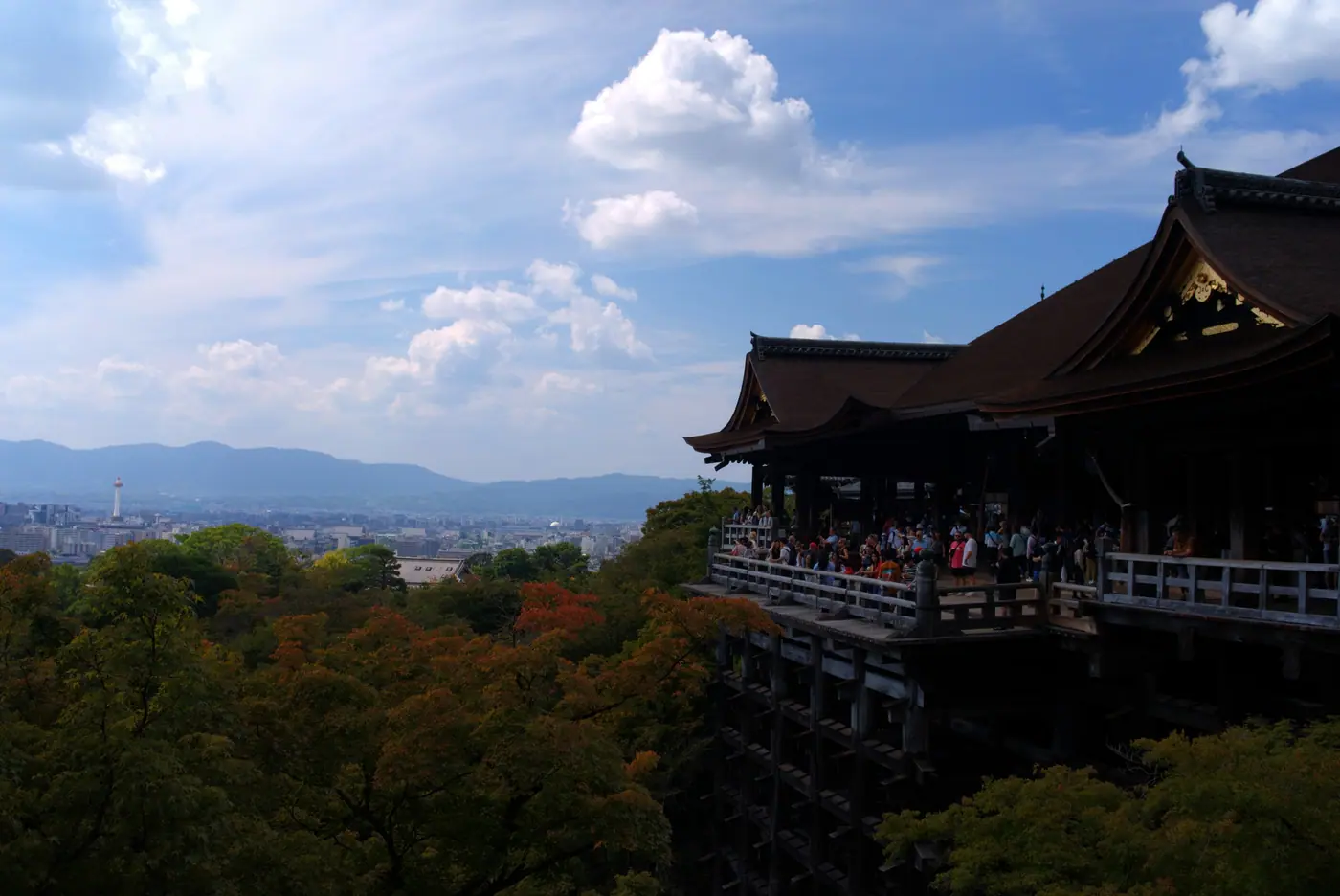
Kiyomizu-dera (清水寺) is one of the busiest places in Kyoto, and for good reason. A huge wooden stage hangs off the hillside over a sea of trees, with the whole city spread out behind it. Most people walk up, see the stage, and walk back down. With an extra half hour, you can loop around to the far side of the valley for the view that shows the temple at its best, and leave most of the crowd behind.
A little background
By tradition, the temple's history begins in 778, when a monk was led in a dream to the Otowa waterfall on this hillside. The name means "pure water," after that spring. The main hall you see today was rebuilt in 1633, and it is a National Treasure. The temple is also part of the Historic Monuments of Ancient Kyoto World Heritage Site.
The Niomon gate and the three-story pagoda
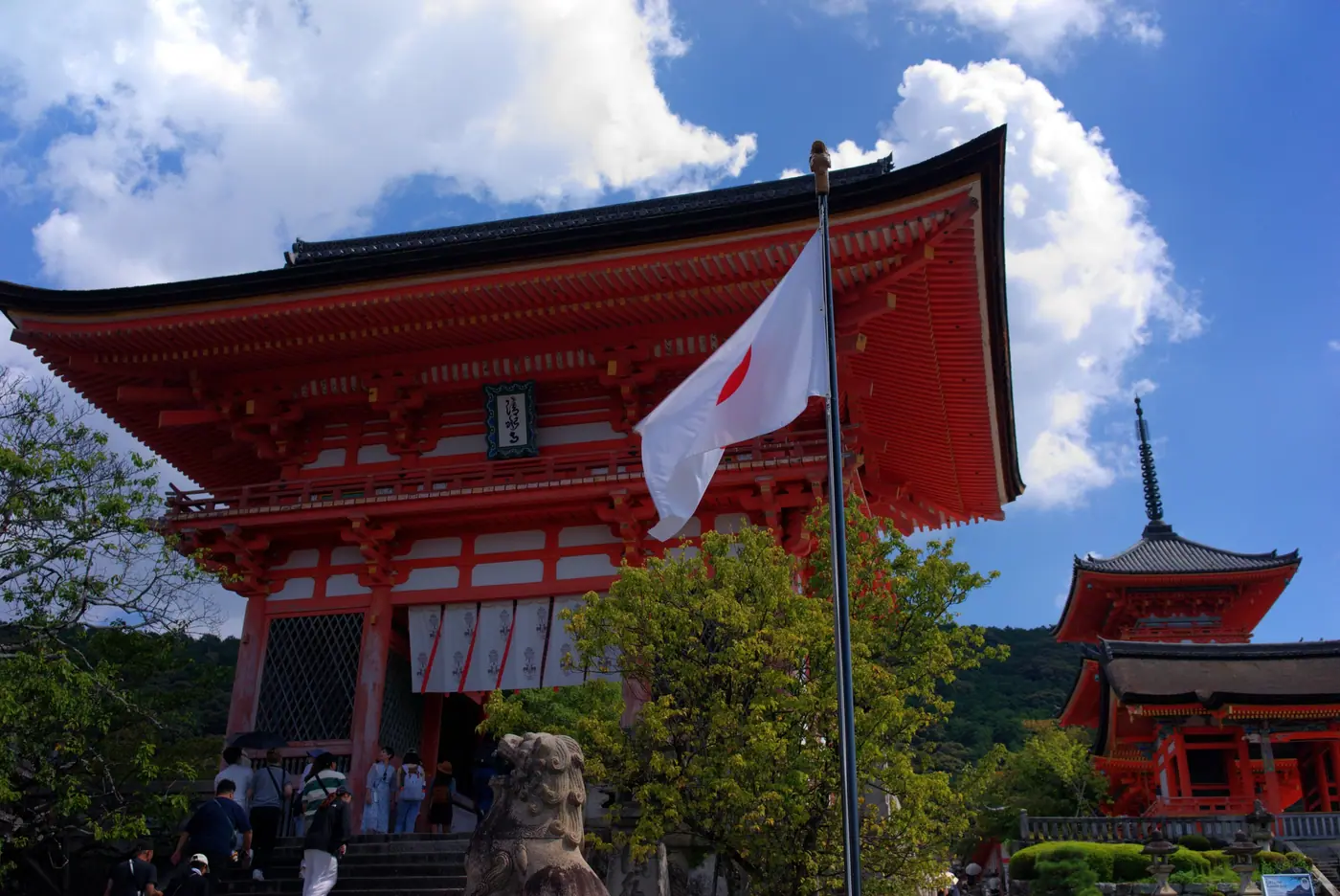
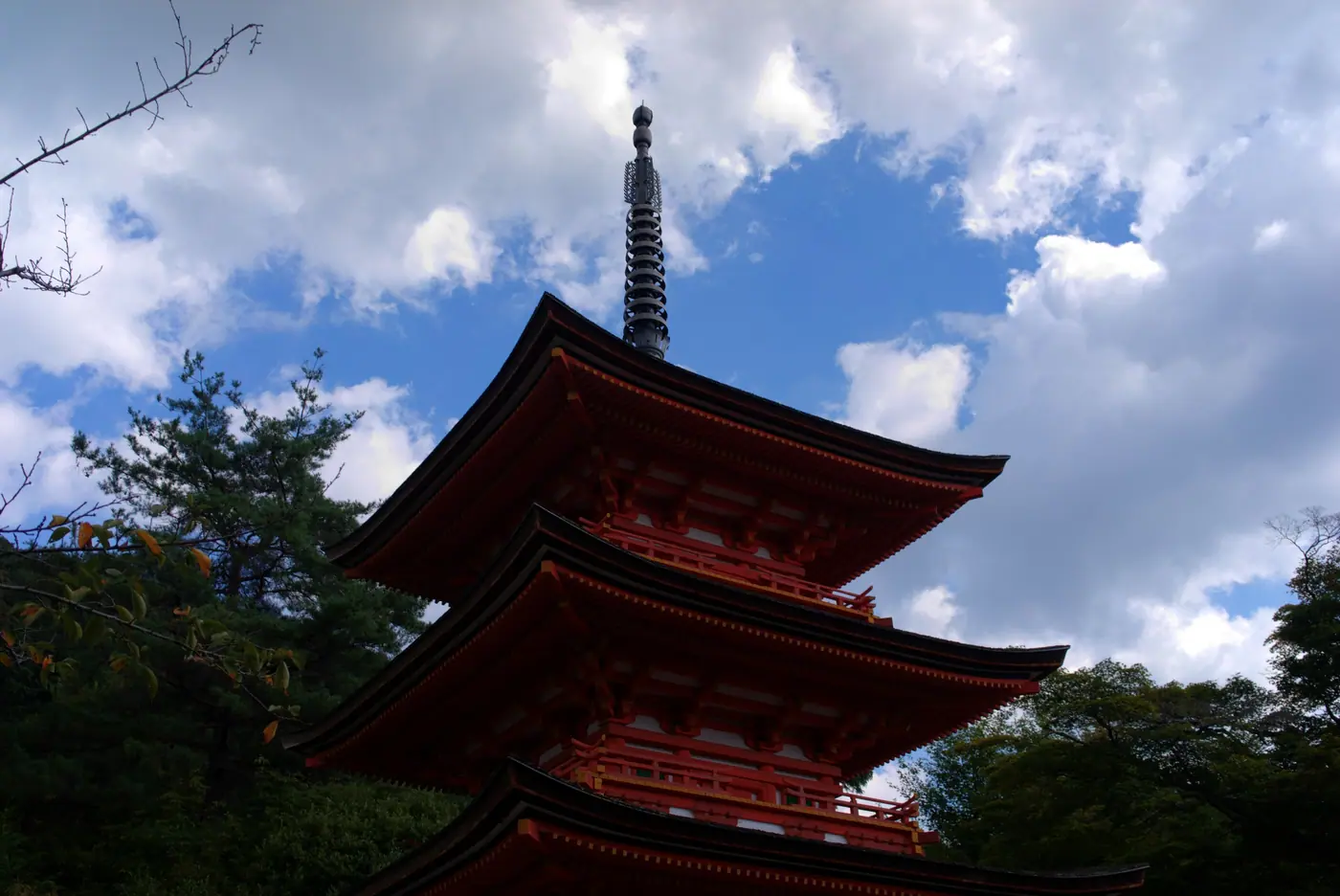
The climb up from the shopping streets ends at the bright vermilion Niomon gate. Just past it are the West Gate and the three-story pagoda. At about 31 meters, the pagoda is one of the tallest of its kind in Japan, and you can pick it out from many parts of the city.
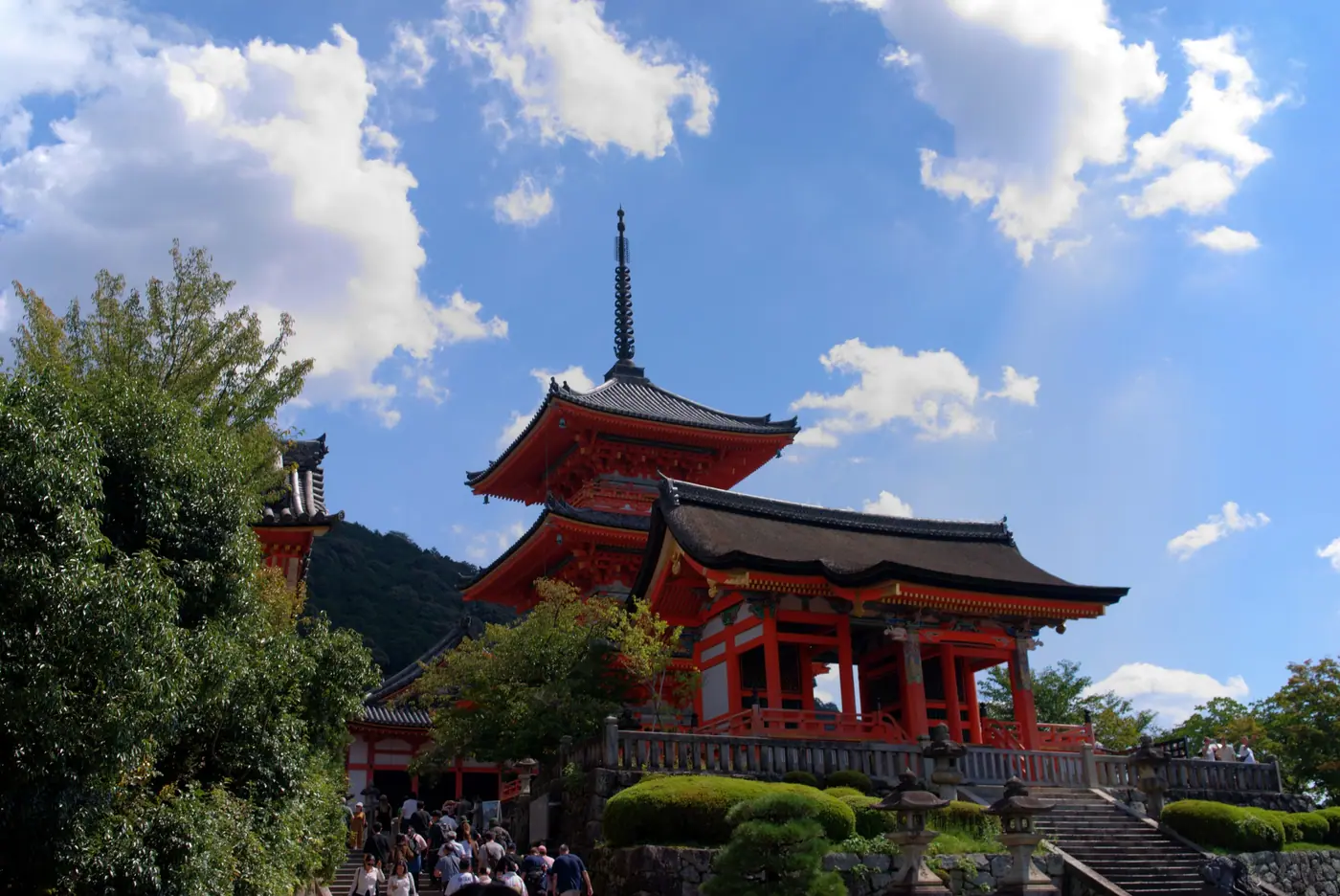
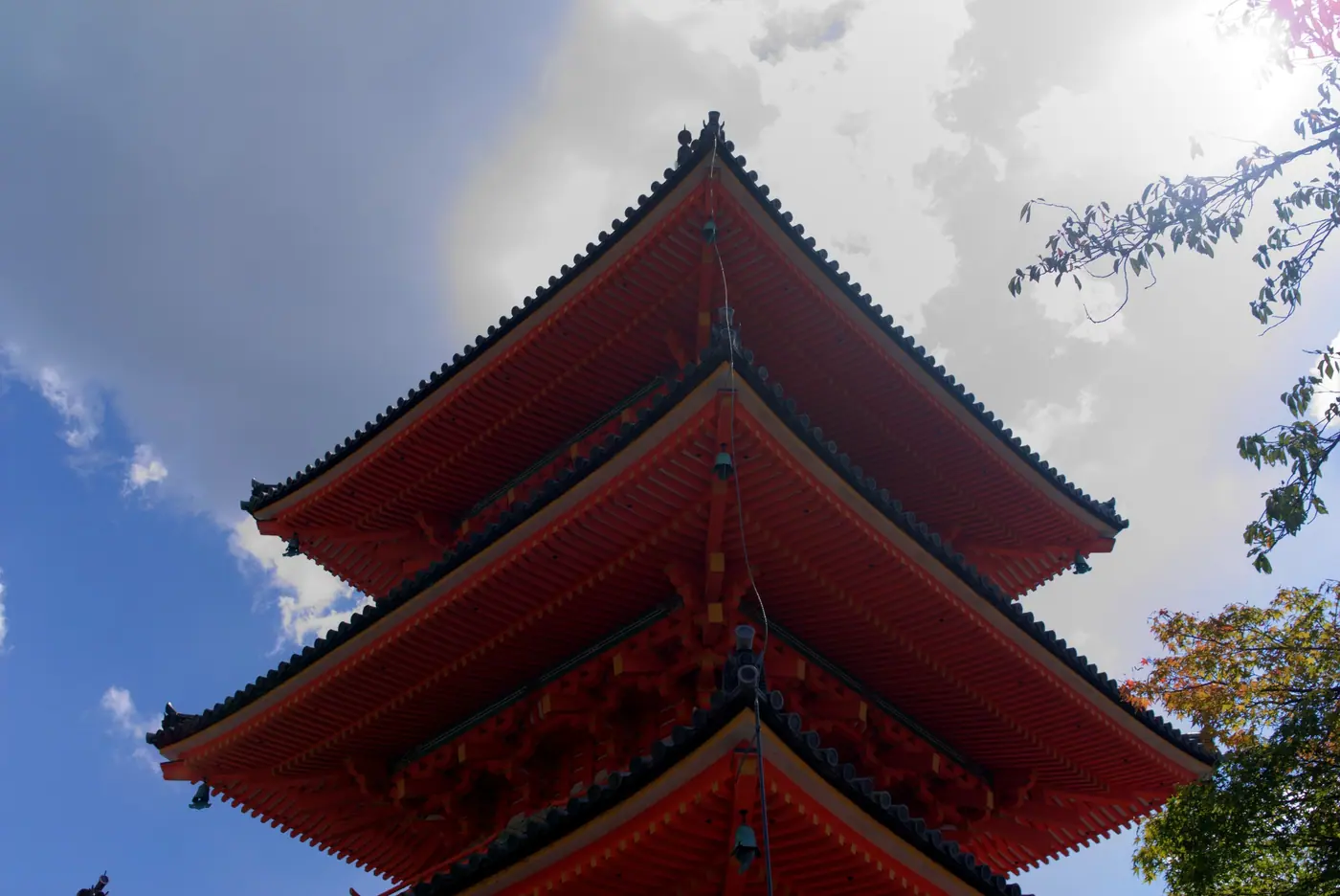
Stand right under the pagoda and look up. The layered eaves and painted brackets are one of the best details in the temple, and few people stop to look.
The main hall and the stage
The main hall is built out over the cliff in a style called kakezukuri. The stage stands about 13 meters above the slope below, held up by a lattice of huge wooden pillars and beams joined without nails. The saying "jump off the stage at Kiyomizu" is the Japanese way of describing a bold leap of faith.
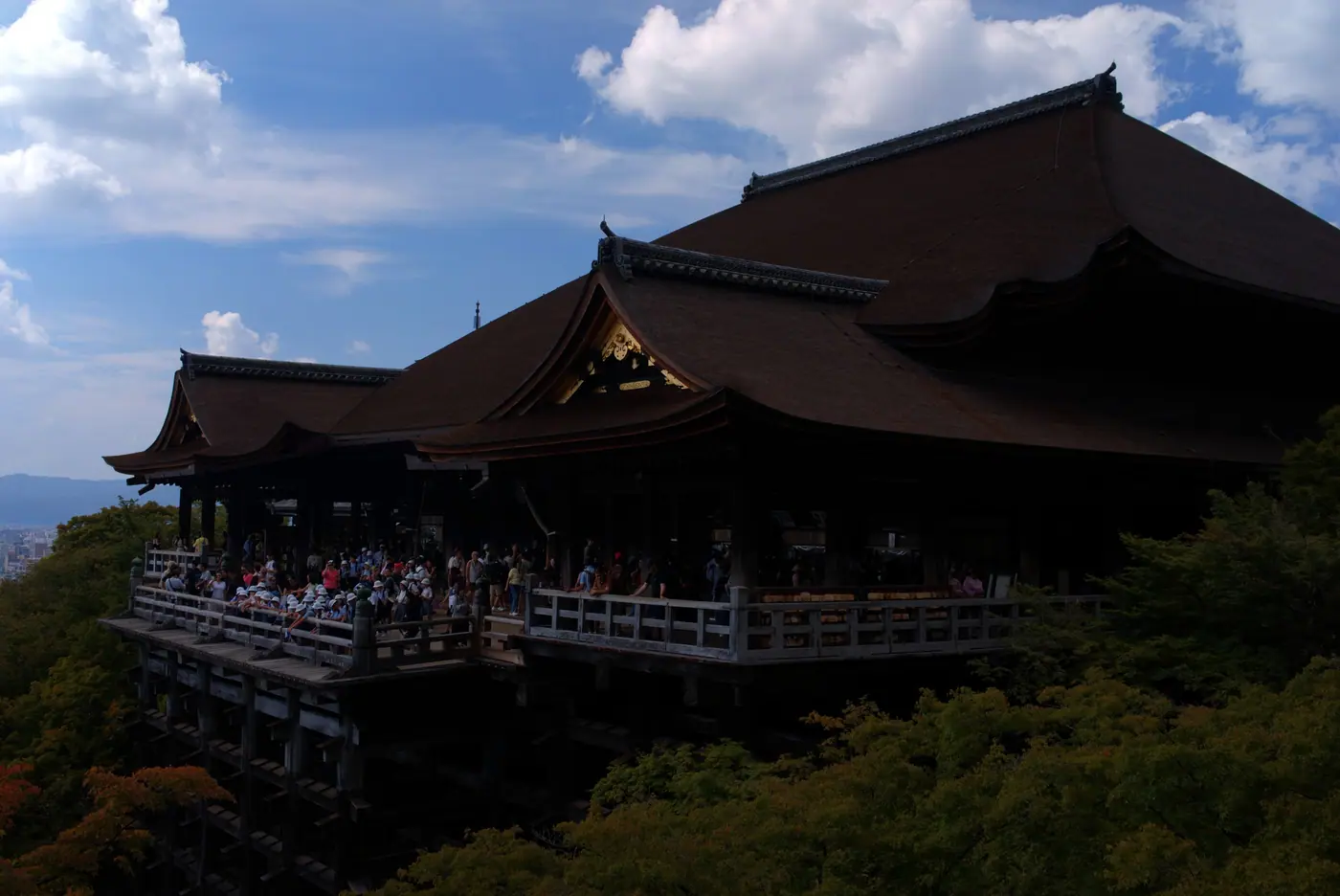
The cypress-bark roof was fully rethatched between 2017 and 2020, so the hall looks as good now as it has in decades. Expect the stage itself to be packed most of the day.
The Okunoin and the Otowa waterfall
Past the main hall, the path leads to the Okunoin, a smaller hall with its own stage. This is where the classic photo of the main stage is taken, looking back across the trees. From here, steps lead down to the Otowa waterfall, where three streams of water fall into a pool. Visitors drink from them with long-handled cups. There is usually a line.
The path to the Koyasu Pagoda
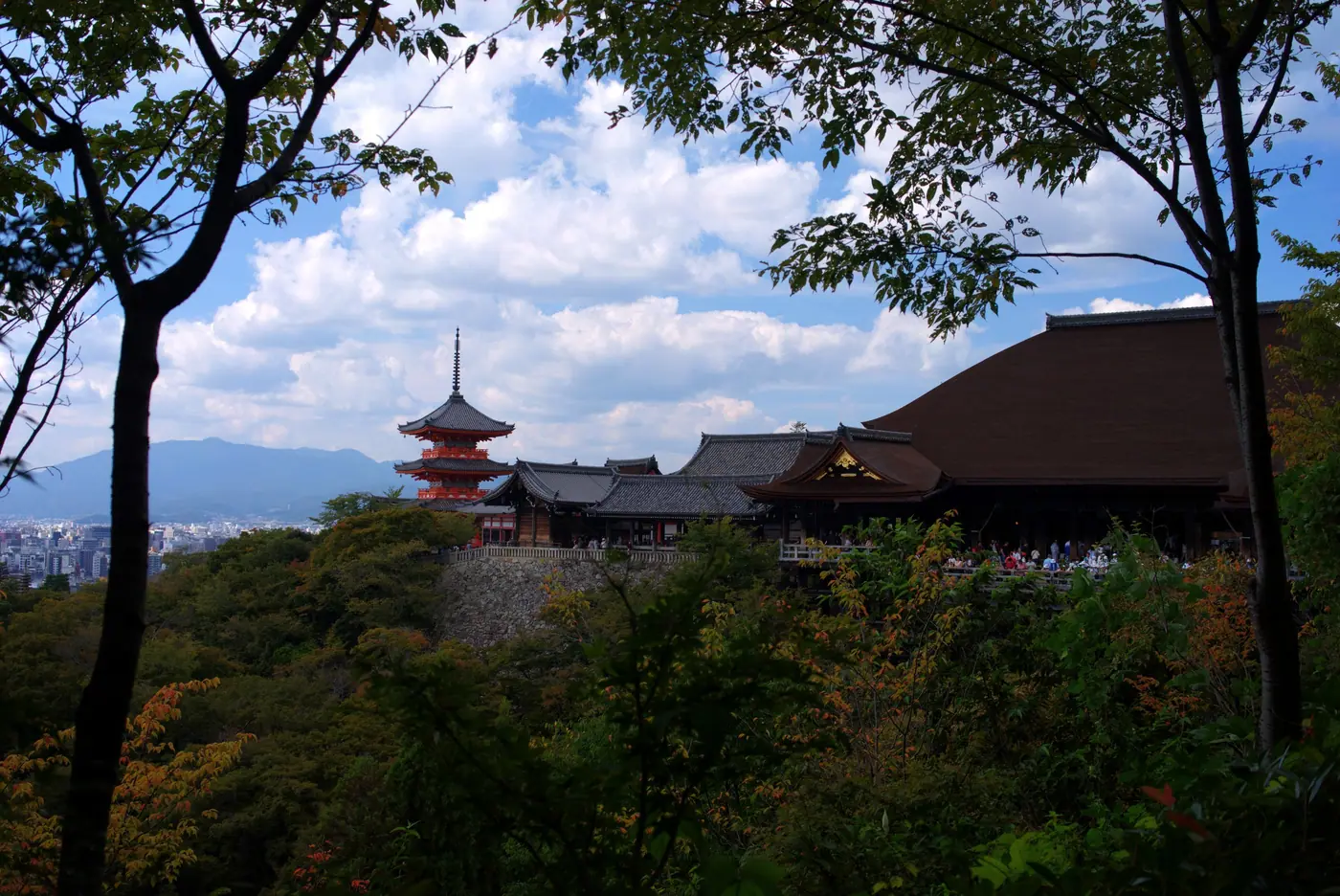
This is the part most visitors miss. From the Okunoin area, a path follows the edge of the valley south to the Koyasu Pagoda (子安塔), a small vermilion three-story pagoda that belongs to the sub-temple Taisan-ji. It is dedicated to Koyasu Kannon, who is prayed to for safe childbirth.
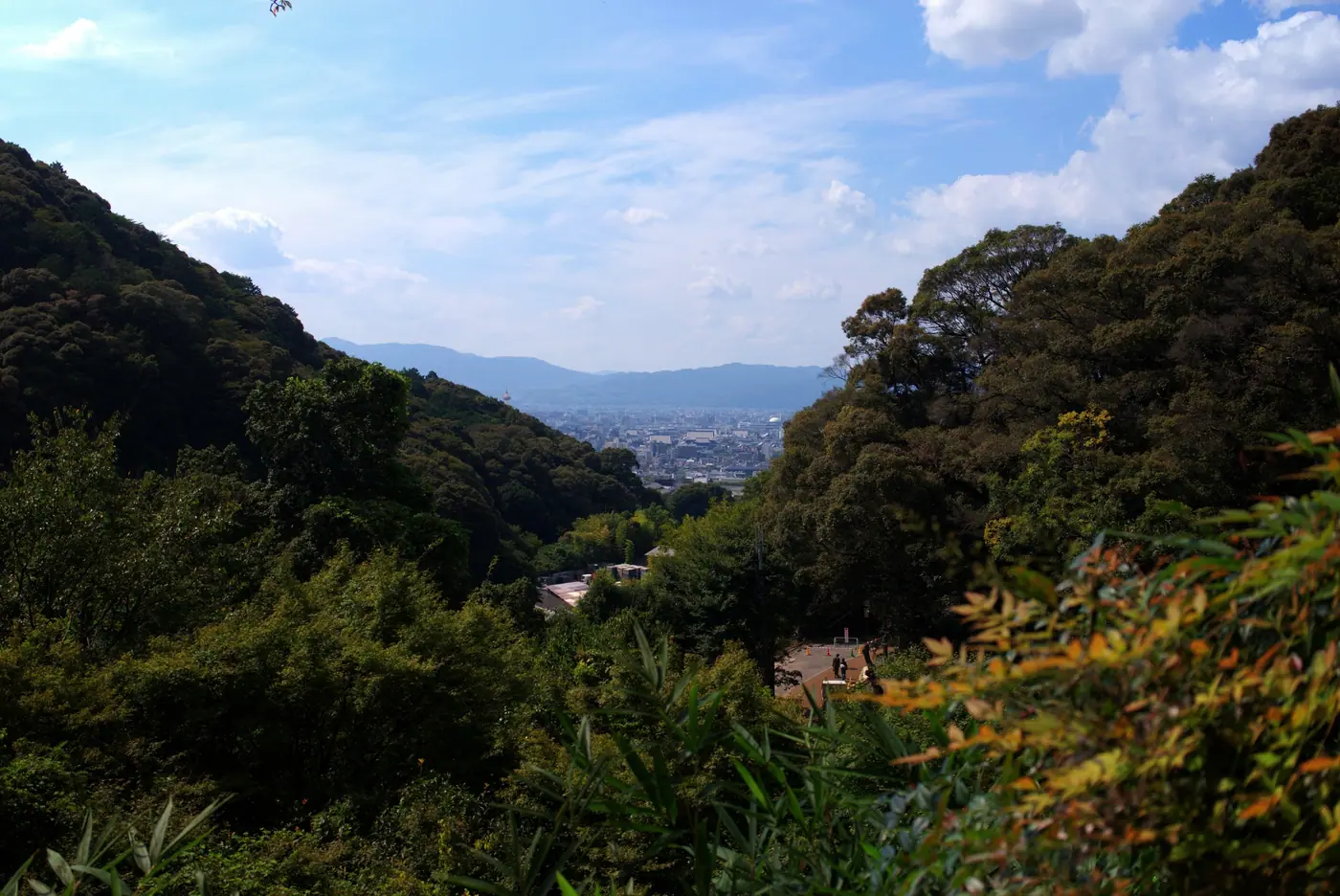
The reason to come here is the view back. From the path, you can see the main hall and the three-story pagoda together across the valley, with the city and the mountains behind them. It is the full picture you can't get while standing on the stage itself.
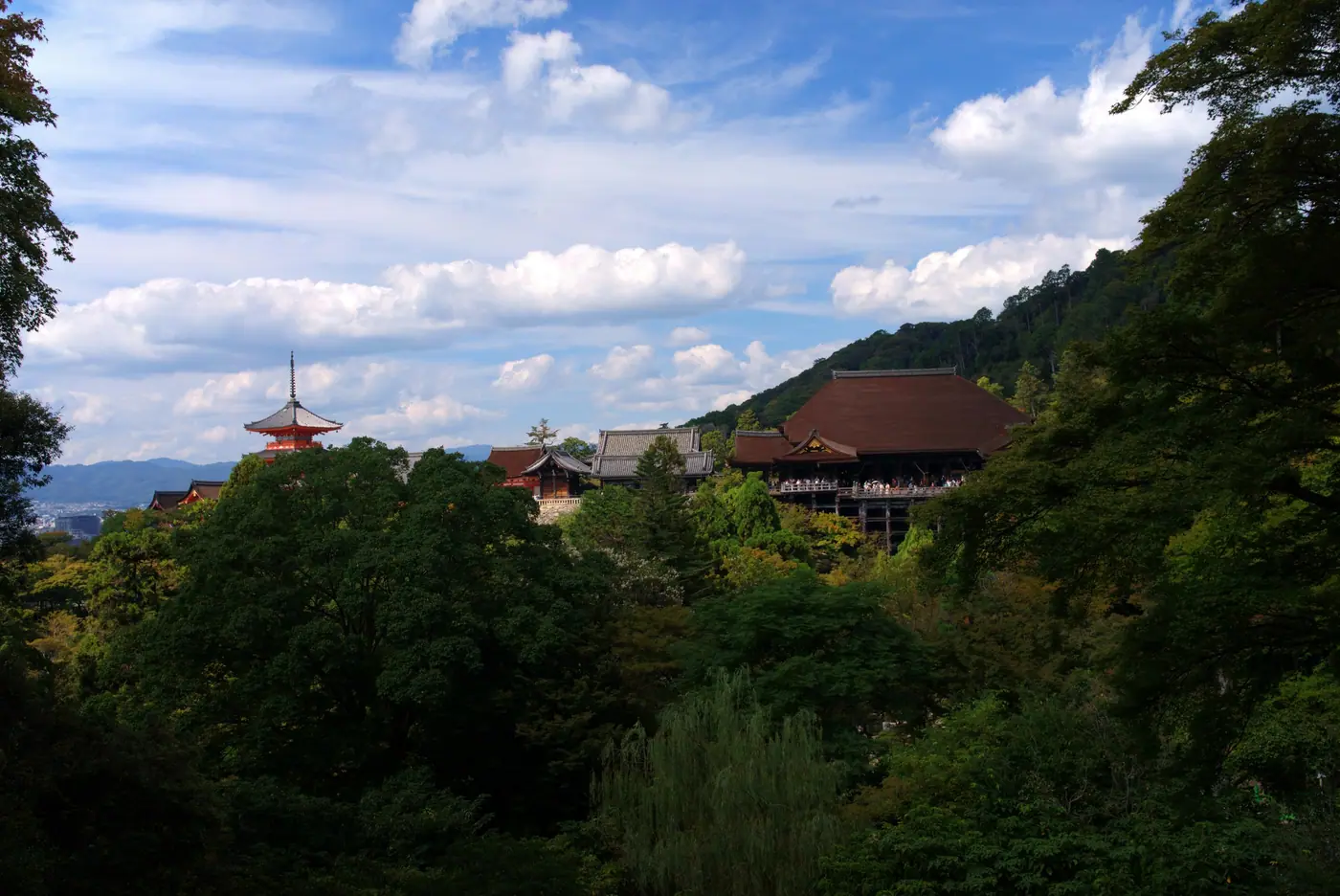
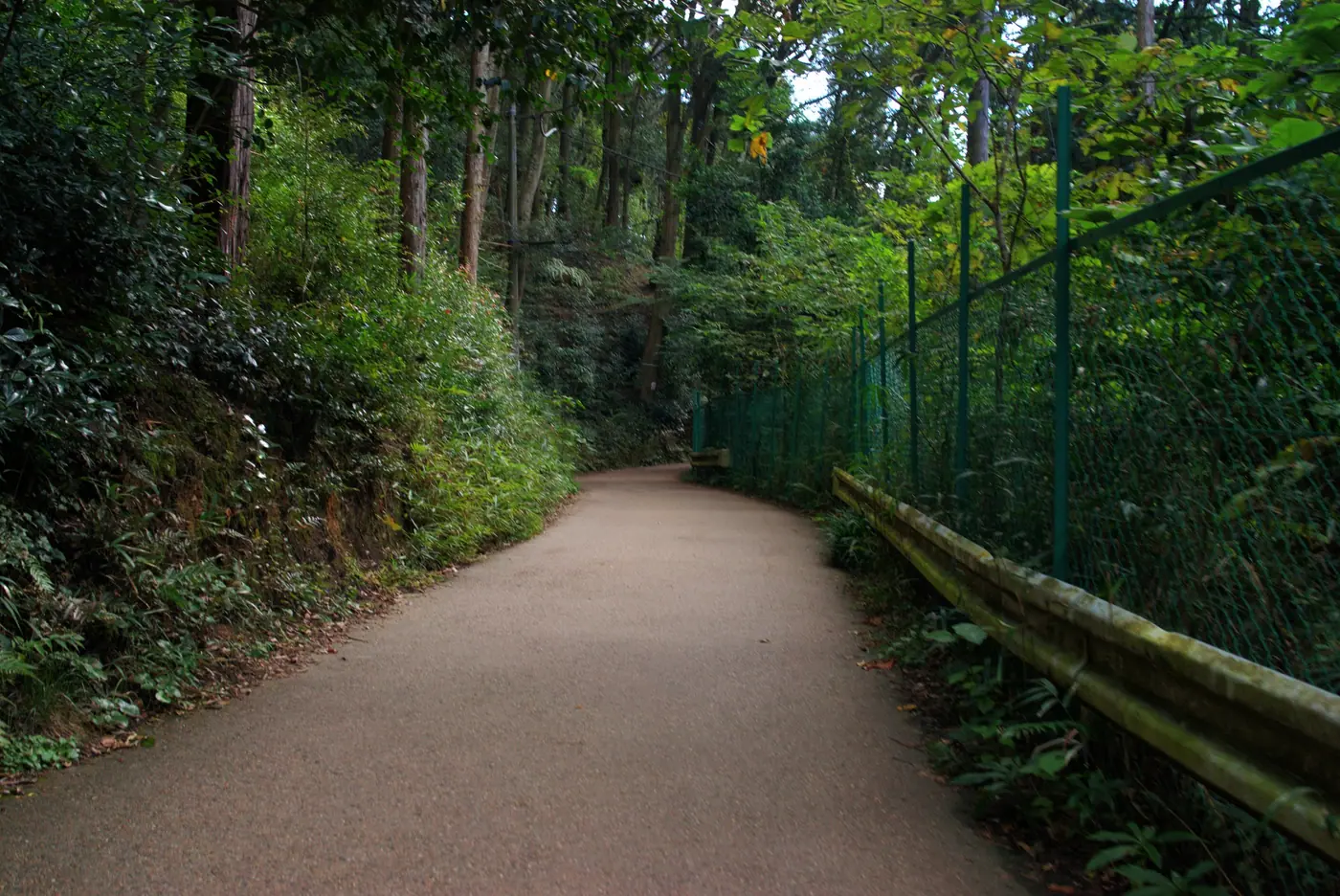
The wooded slopes around the temple are much quieter than the main grounds, and on a hot day the shade is welcome.
Practical tips
- Hours: The temple opens at 6:00 and usually closes at 18:00, a little later in July and August and much later during the special night openings in spring, summer, and fall. Check the official site before you go.
- Admission: There is a small entry fee for the main hall area. The approach, gates, and pagoda area can be seen without a ticket.
- When to go: Go at opening time if you can. By mid-morning, tour groups fill the stage and the shopping streets below. Late afternoon is the next best option.
- Seasons: Cherry blossoms in early April and colored leaves from mid to late November are the peak seasons, and also the most crowded. Summer brings deep green trees and big clouds.
- Getting there: From Kyoto Station, take a city bus to the Gojo-zaka or Kiyomizu-michi stop, then walk uphill for about 10 to 15 minutes. Wear comfortable shoes. The walk is steep in places.
Walk on to the Yasaka Pagoda
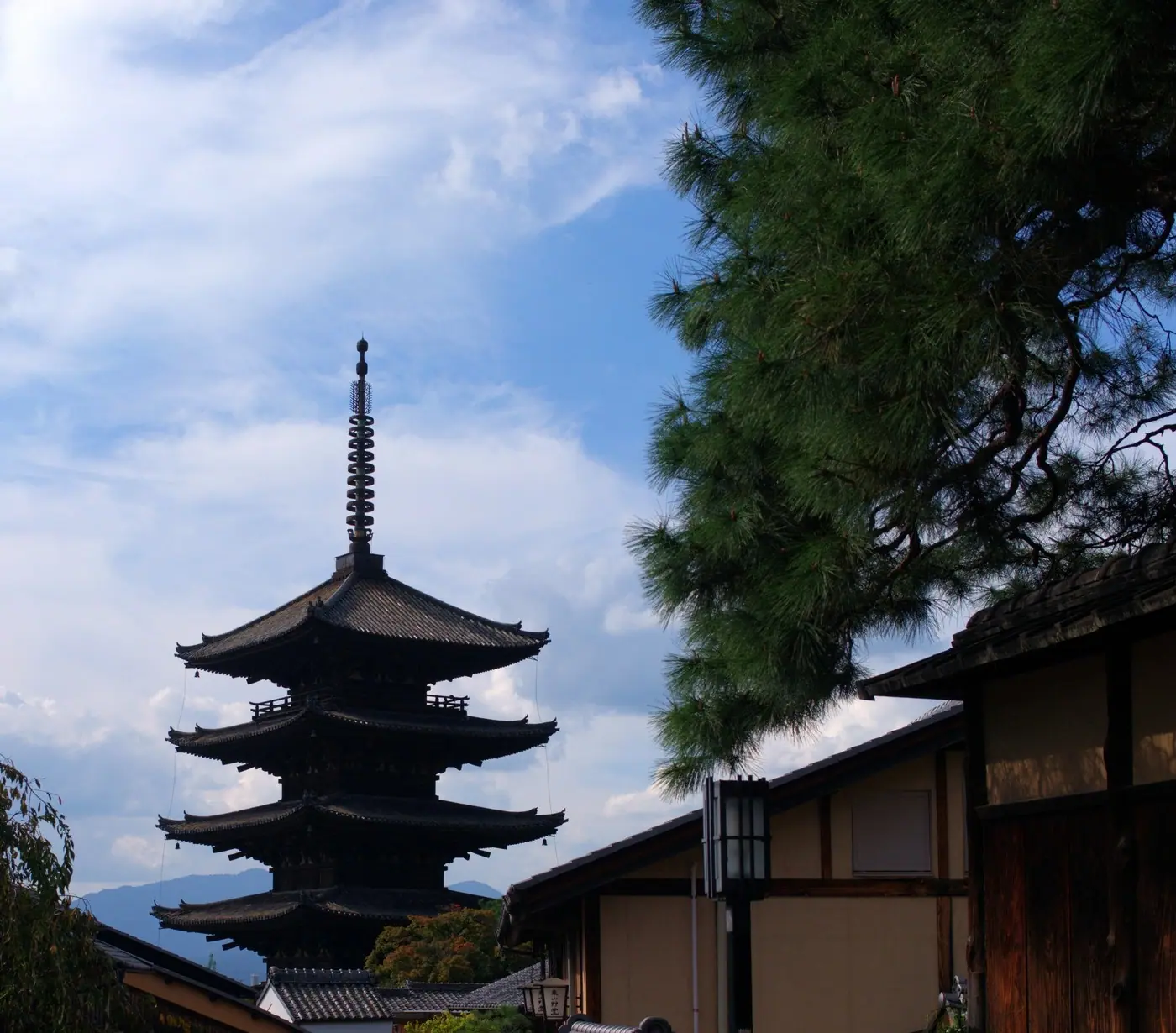
From the temple, you can walk downhill through Sannenzaka and Ninenzaka toward the Yasaka Pagoda, one of the most photographed street views in Kyoto. We cover that route in our Higashiyama walk.
You can find Kiyomizu-dera and the rest of Higashiyama on the Kyoto guide and the NipponNavi map.