Imoni (taro stew)芋煮
A taro and beef stew cooked outdoors at riverside imoni parties every fall.
Local tips, regional food and places off the tourist trail
A mountainous prefecture of hot springs and sacred peaks: the cliffside temple of Yamadera, the lamp-lit Ginzan Onsen, Zao’s snow monsters and the Dewa Sanzan mountains.
A taro and beef stew cooked outdoors at riverside imoni parties every fall.
Richly marbled wagyu from the Yonezawa area, enjoyed as sukiyaki, steak or on a beef bento.
Yamagata grows most of Japan’s cherries; early summer is the season for picking them at farms.
Places mostly visited by people who live here — quieter, and often the highlight of a trip.
Small island off Sakata reached by ferry, with sea caves, clear water and migrating birds.
● Mostly localsHuge wooden silkworm barns built by former samurai in Tsuruoka, now selling silk goods and local products.
● Mostly localsRemote hot-spring village in heavy snow country with public baths and a morning market.
● Mostly localsSacred spring-fed pond in Yuza of an astonishing emerald color, surrounded by forest.
● Mostly localsHillside park above Akayu Onsen with about a thousand cherry trees and views over the town.
● Mostly localsSmall covered alley of izakaya and bars in Nanokamachi, central Yamagata.
● Mostly localsMountain temple in Tsuruoka housing a sokushinbutsu, a self-mummified monk revered as a living Buddha.
● Mostly localsSamurai-style residence of Sakata's hugely wealthy Honma merchant family, once said to be richer than the local lord.
● Mostly localsMuseum at the foot of Mt Haguro about the yamabushi mountain ascetics; it arranges short yamabushi experiences.
● Mostly localsTall, slender waterfall near Sakata behind a small shrine; lit up on some evenings.
● Mostly localsBuddhist figures carved into seaside rocks at Yuza, with the Sea of Japan sunset behind them.
● Mostly localsAtsumi Onsen is a traditional hot spring resort town tucked along the Atsumi River in Yamagata Prefecture, known for its rustic charm and as a local favorite away from…
● Mostly localsThe places most visitors come for. Worth it — just go early.
Temple complex climbing a cliff up about a thousand steps to halls with superb valley views; where Basho wrote a famous haiku.
Ropeway up Mt Zao to the famous 'snow monsters': trees coated in rime ice. Night lighting in winter.
AdGinzan Onsen & Zao day tour from SendaiBook on Klook →Kaminoyama Onsen is a historic hot spring town in Yamagata Prefecture, known for its rich bathing culture, traditional ryokan, and charming streets that attract both…
Mount Zao is a volcanic mountain straddling Yamagata and Miyagi prefectures, renowned for its dramatic crater lake, winter 'snow monsters' (juhyo), and excellent…
Yamadera (Risshakuji Temple) is one of Yamagata Prefecture's most iconic sites, a mountaintop Buddhist temple complex reached by climbing over 1,000 stone steps through…
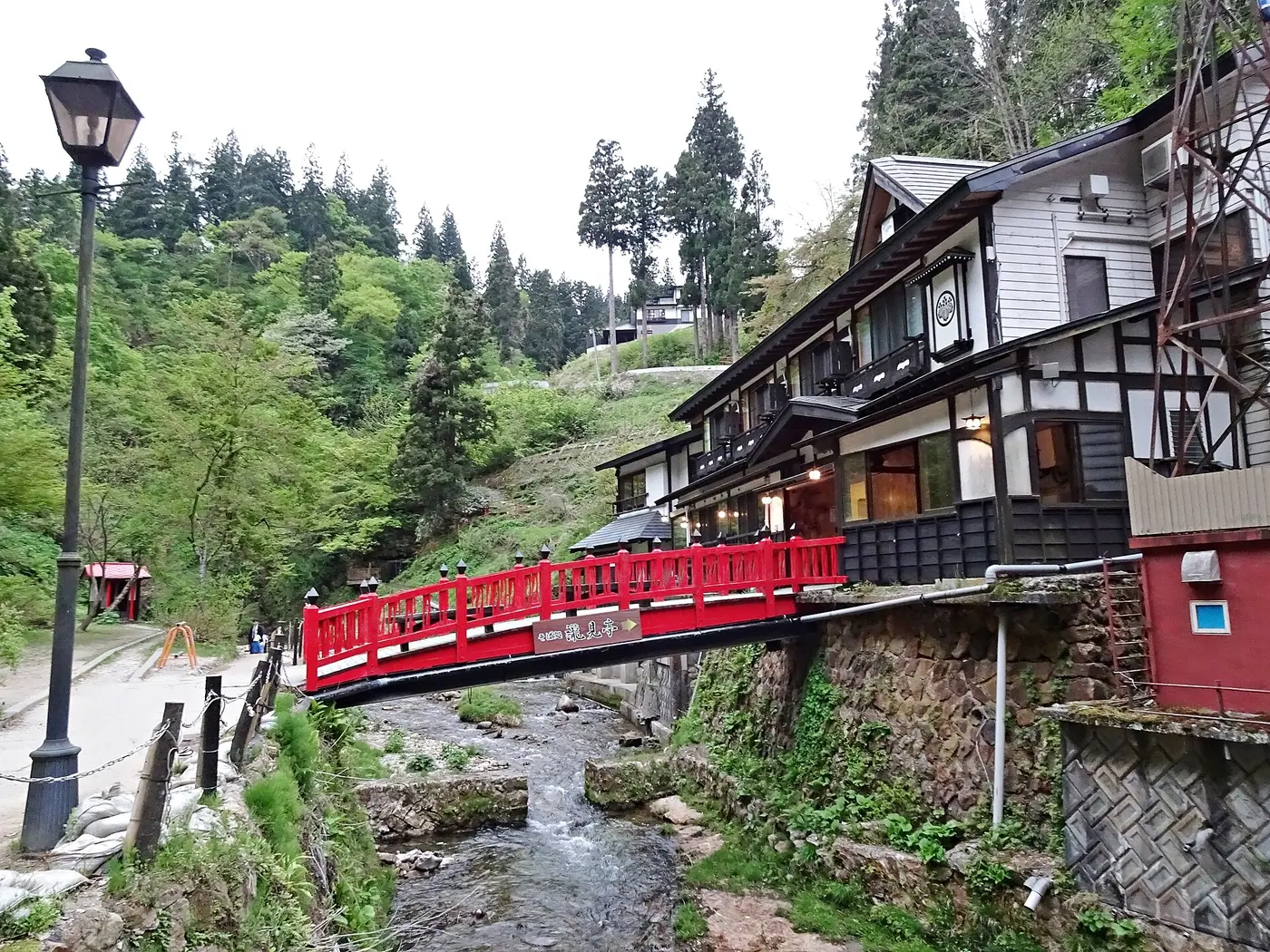
Notoya is a historic ryokan located in the picturesque Ginzan Onsen hot spring village in Yamagata Prefecture, a destination that frequently appears on Japan travel…
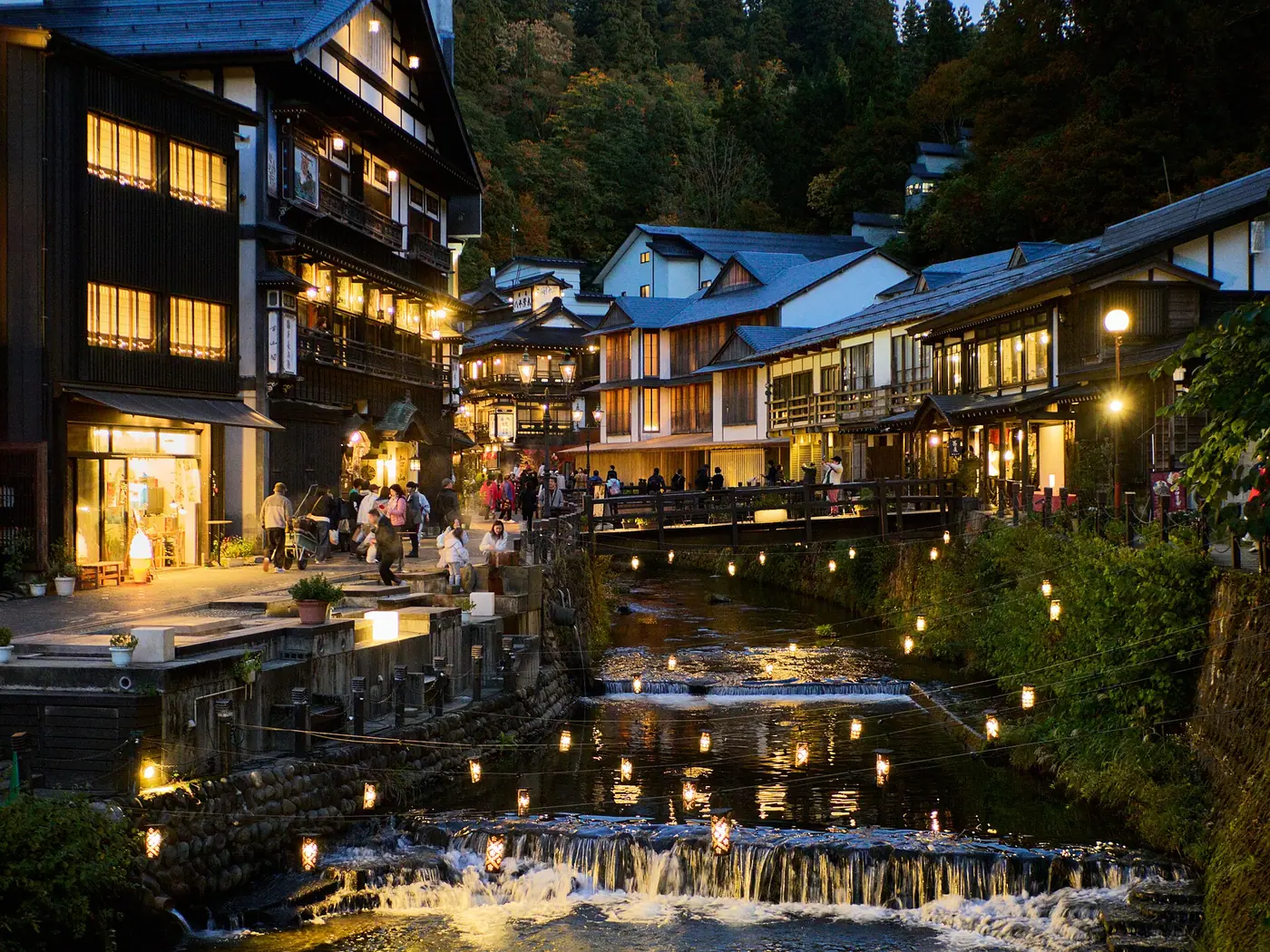
Ginzan Onsen is a beautifully preserved hot spring town in Yamagata Prefecture, famous for its multi-story Taisho-era ryokan lining a narrow river gorge, especially…
AdGinzan Onsen & Zao day tour from SendaiBook on Klook →Notoya Ryokan is an iconic traditional inn in Yamagata, offering guests a classic Japanese ryokan experience with onsen facilities. It is frequently cited as a standout…
See all 52 places on the map →
Castles, temples, shrines, parks and nature spots, each with tips, the best time to go and what's nearby.
Cherry sweets, La France pear products and Tendo’s handmade shogi pieces are popular souvenirs.
Early summer for cherries, fall for imoni season and colorful leaves, and mid-winter for Zao’s snow monsters; roads can be snowbound in winter.
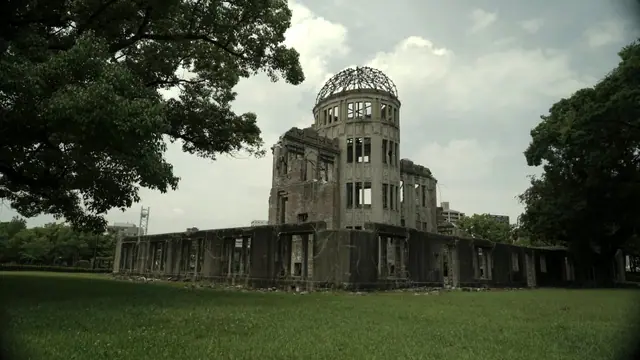
A respectful, practical guide to the Atomic Bomb Dome, the Peace Memorial Museum (hours, ¥200 entry, when to book),…
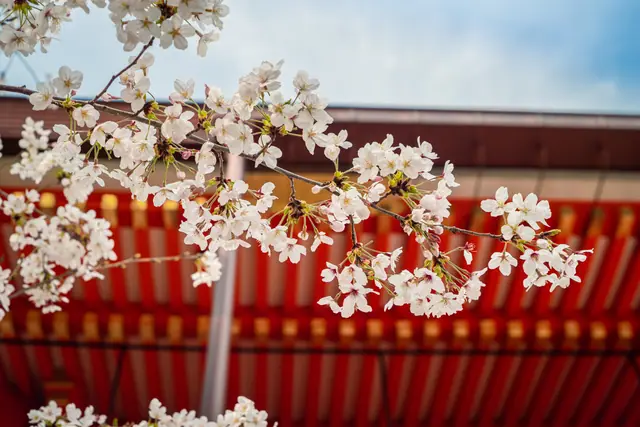
A practical plan for a sakura trip to Japan: when to book, how to choose your dates, how to follow the bloom between…