Champonちゃんぽん
Thick noodles in a milky pork and chicken broth loaded with seafood, pork and vegetables.
Local tips, regional food and places off the tourist trail
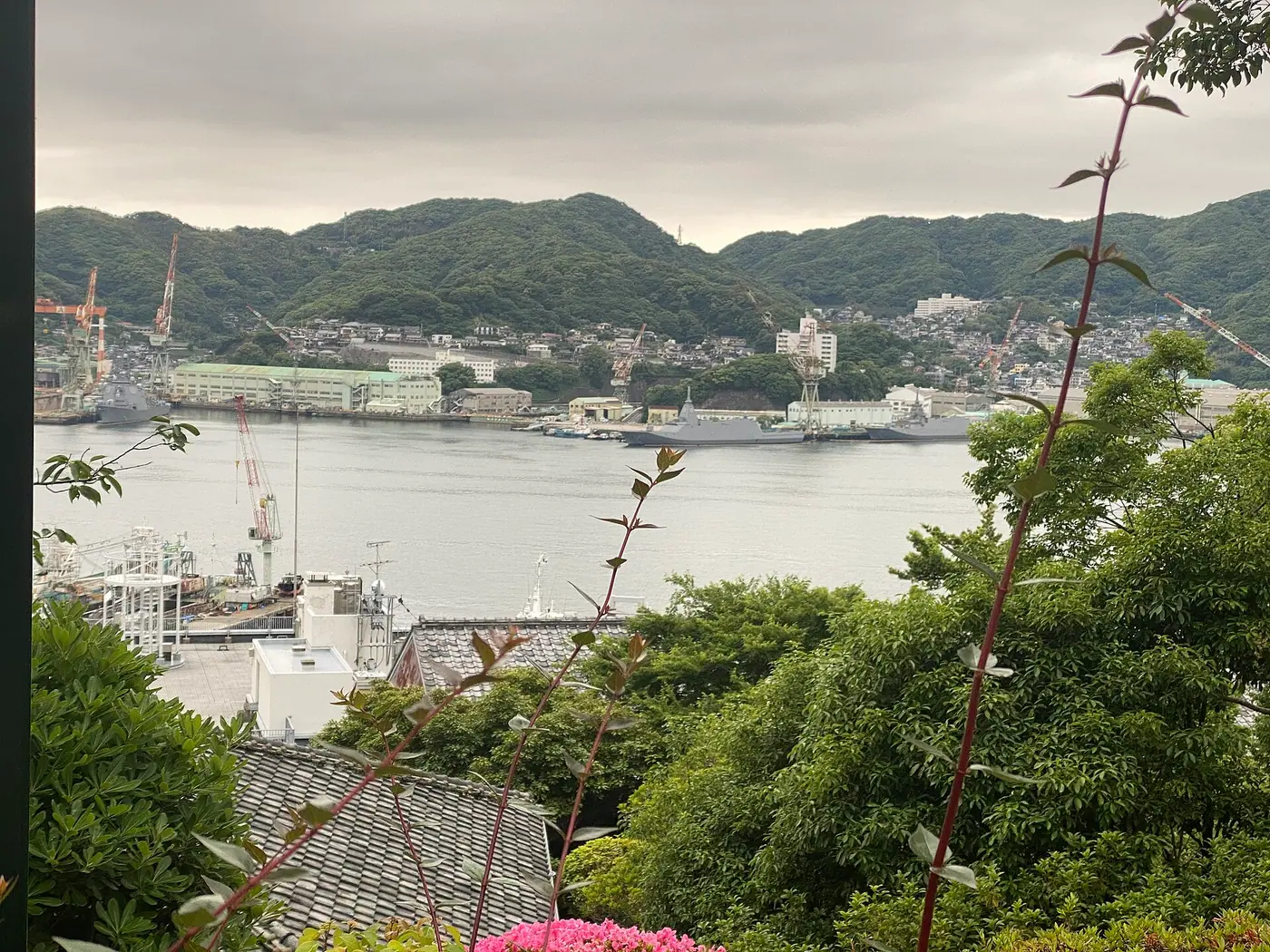
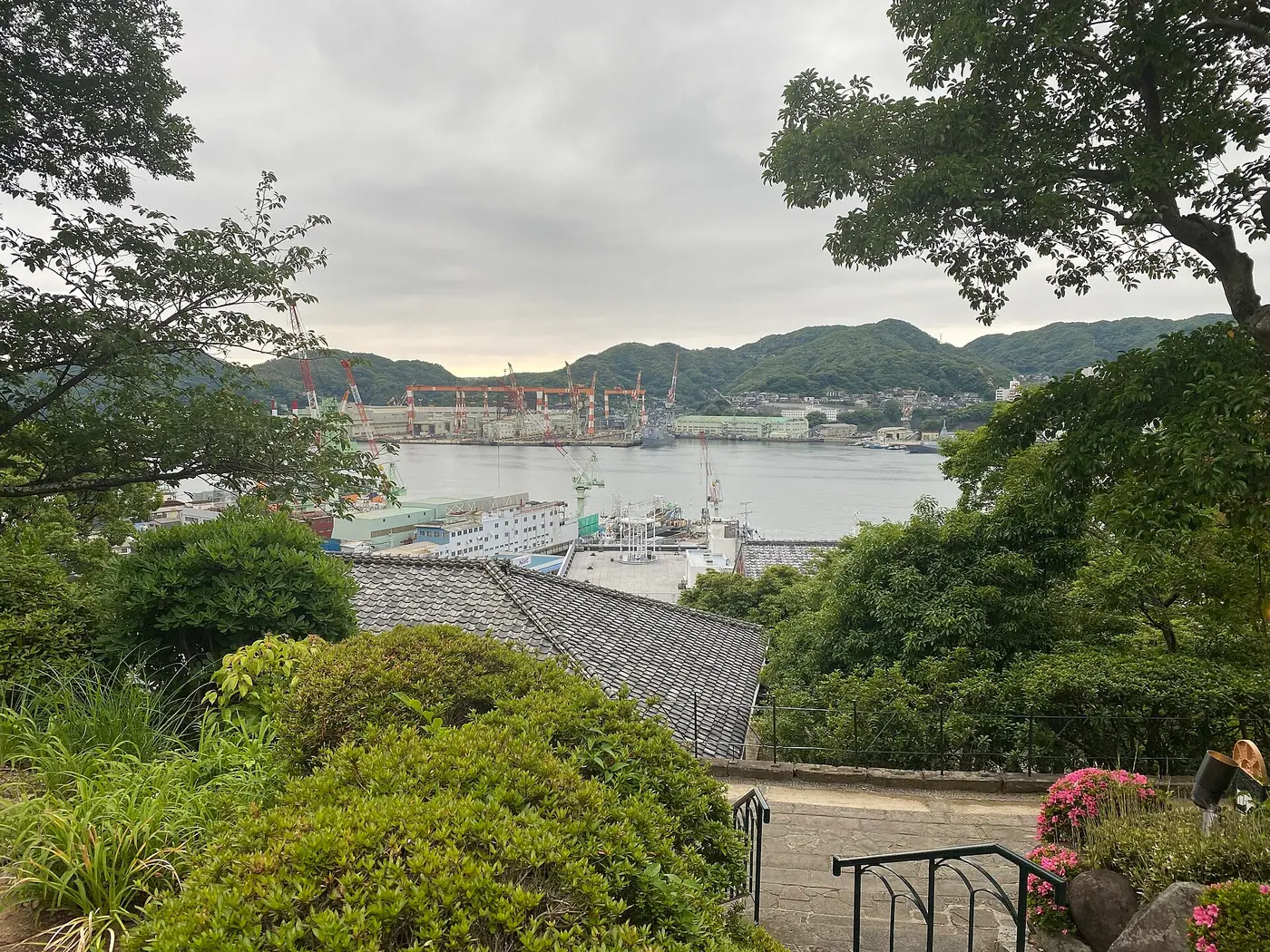
A hilly harbor city shaped by centuries of foreign trade, plus hundreds of islands. See Nagasaki’s Peace Park, Glover Garden and Dejima, the Kujukushima islands near Sasebo, and the churches of the Goto Islands.
Thick noodles in a milky pork and chicken broth loaded with seafood, pork and vegetables.
Crispy fried noodles topped with a thick seafood and vegetable sauce; locals often add Worcestershire sauce.
Big, made-to-order burgers from Sasebo, a style that grew up around the local US naval base.
Places mostly visited by people who live here — quieter, and often the highlight of a trip.
Red-brick church on the Sotome coast, where hidden Christians lived. The sunset over the sea from this coast is superb.
● Mostly localsGrassy ridge with sweeping views over islands, the sea and Hirado; mostly visited by locals.
● Mostly localsVery old Hirado confectioner selling Casdoce, a castella dipped in egg and sugar, from a historic house near the harbor.
● Mostly localsHillside pottery village with dozens of kilns, tall brick chimneys and small galleries.
● Mostly localsOne of Japan's most beautiful beaches, with white sand and turquoise water on Fukue Island in the Goto archipelago.
● Mostly localsAn old merchant house café with a spring-fed garden pond, serving kanzarashi rice dumplings floating in sweet syrup.
● Mostly localsStreet of low samurai houses with a clear spring-fed stream running down the middle.
● Mostly localsOld ceramic factory buildings in Hasami turned into craft shops and cafés. A laid-back stop for Hasami-ware lovers.
● Mostly localsThe places most visitors come for. Worth it — just go early.
A memorial park next to the hypocenter of the 1945 atomic bombing, with the Peace Statue and a fountain. The nearby Atomic Bomb Museum is worth the time.
Hillside park of Western merchants' houses above the harbor, with gardens and sweeping views. Take the moving walkways up and walk down.
Moving museum on the atomic bombing of Nagasaki. Combine with the Peace Park and the hypocenter monument nearby.
Compact Chinatown with four colorful gates, pork buns and sara-udon. The center of the Lantern Festival.
Japan's oldest standing church, where hidden Christians revealed themselves after centuries of persecution. Part of a World Heritage listing.
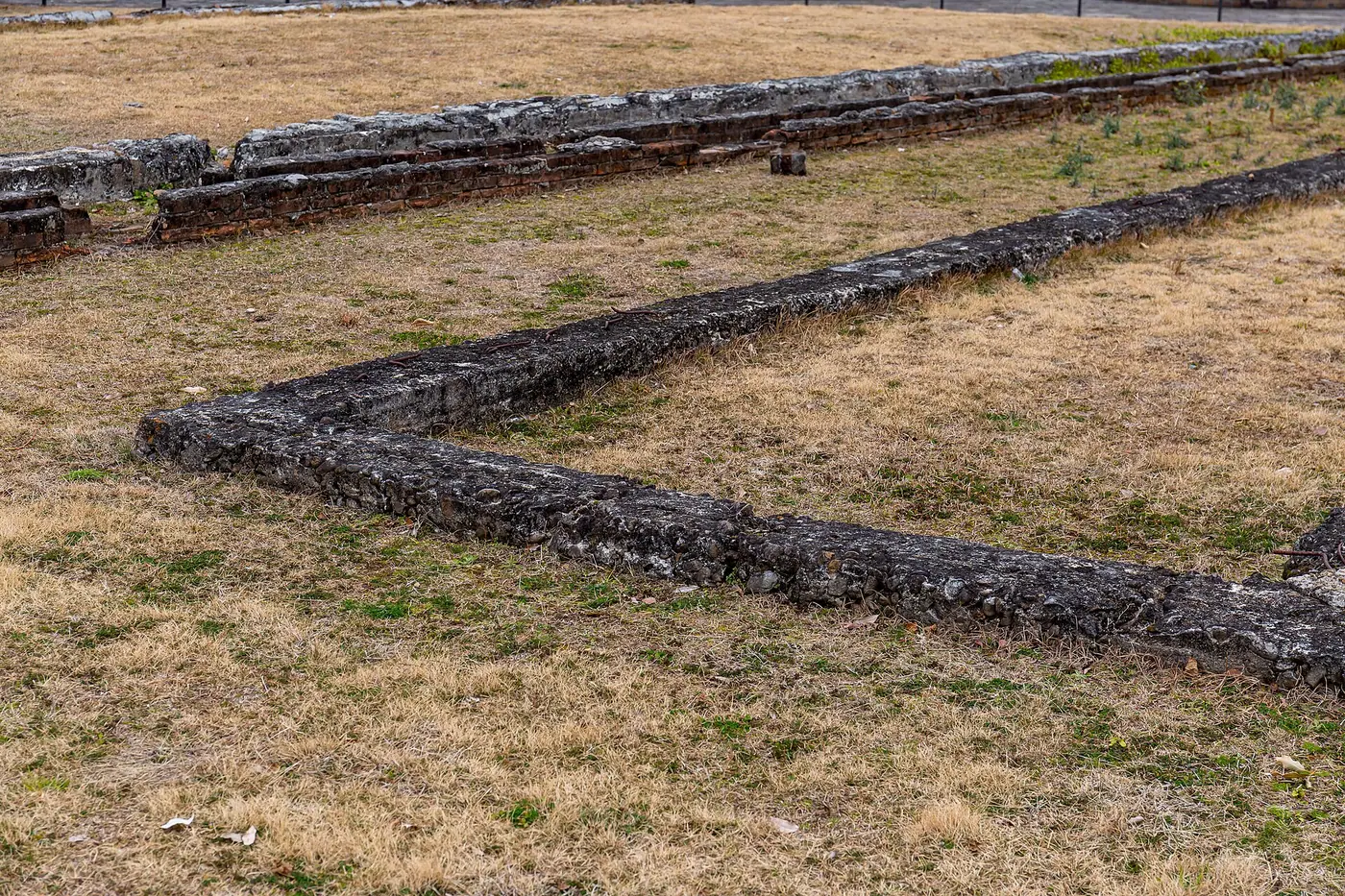
The fan-shaped island where Dutch traders were confined during Japan's isolation, rebuilt with warehouses and living quarters you can walk through.
Stone bridge whose arches reflect as a pair of spectacles. Look for the heart-shaped stones set in the riverbank wall.
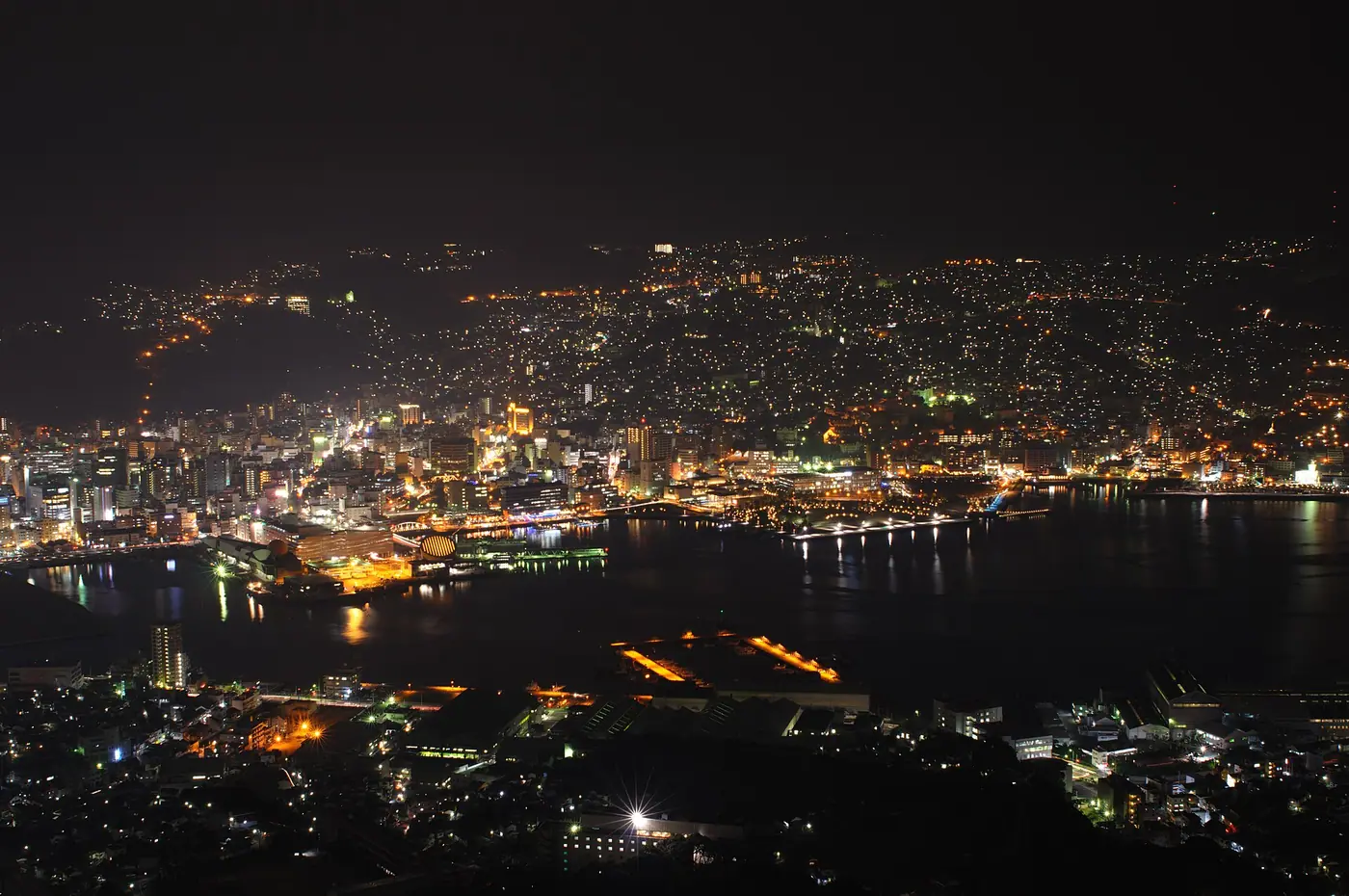
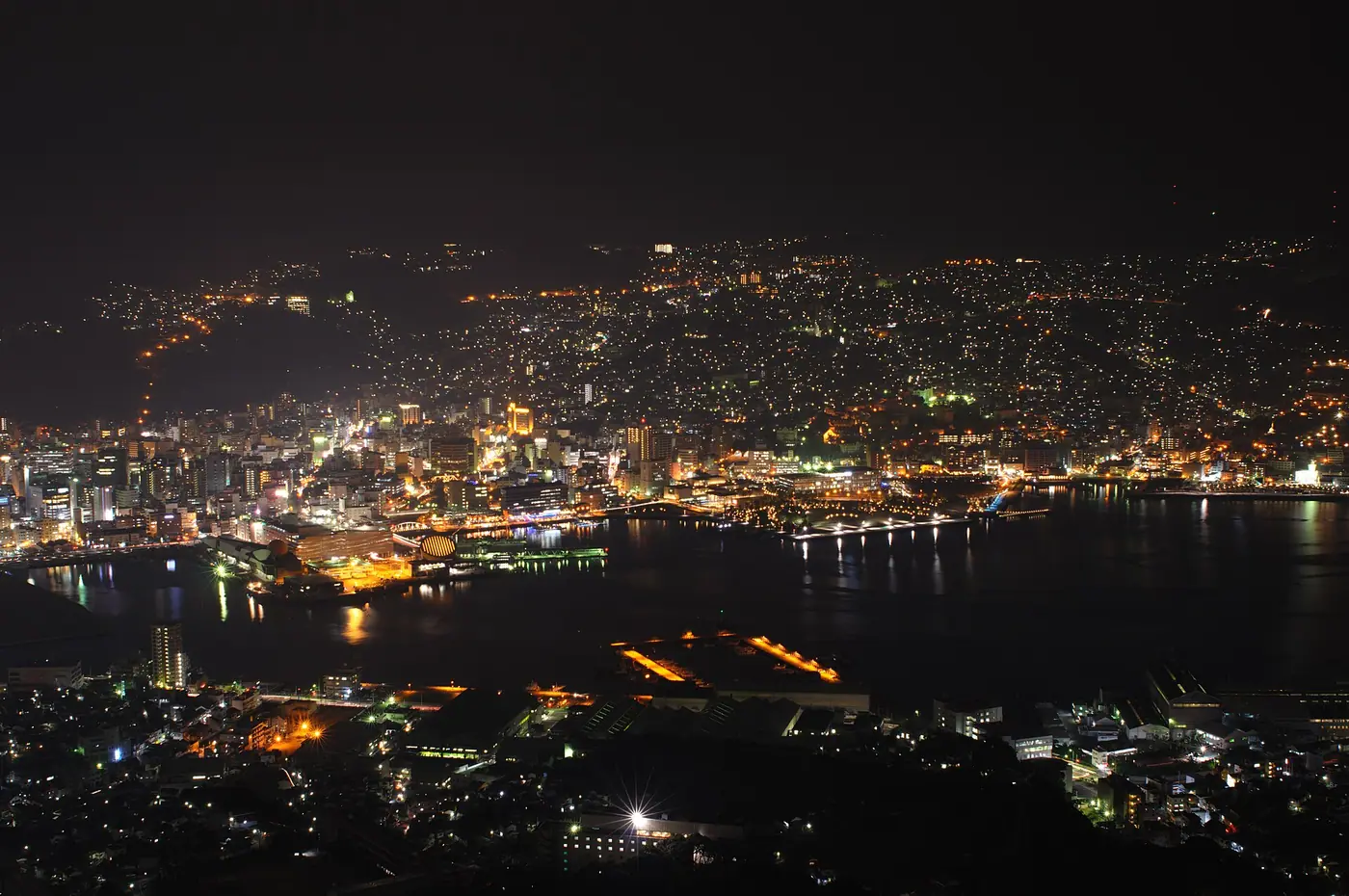
Ropeway to a summit with one of Japan's most famous night views over Nagasaki's harbor and hillside lights.
See all 41 places on the map →
Castles, temples, shrines, parks and nature spots, each with tips, the best time to go and what's nearby.
Castella sponge cake, kakuni manju (braised pork buns), and Hasami-yaki tableware.
Spring and fall are best for walking the hills; winter has the Lantern Festival; June to July is very rainy.
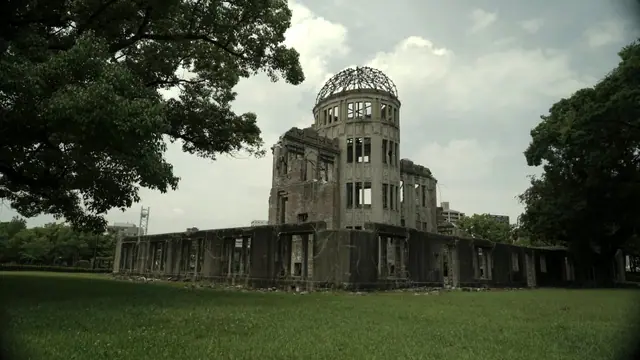
A respectful, practical guide to the Atomic Bomb Dome, the Peace Memorial Museum (hours, ¥200 entry, when to book),…
A practical plan for a sakura trip to Japan: when to book, how to choose your dates, how to follow the bloom between…