How to Use an Onsen: A Simple Guide for First-Timers
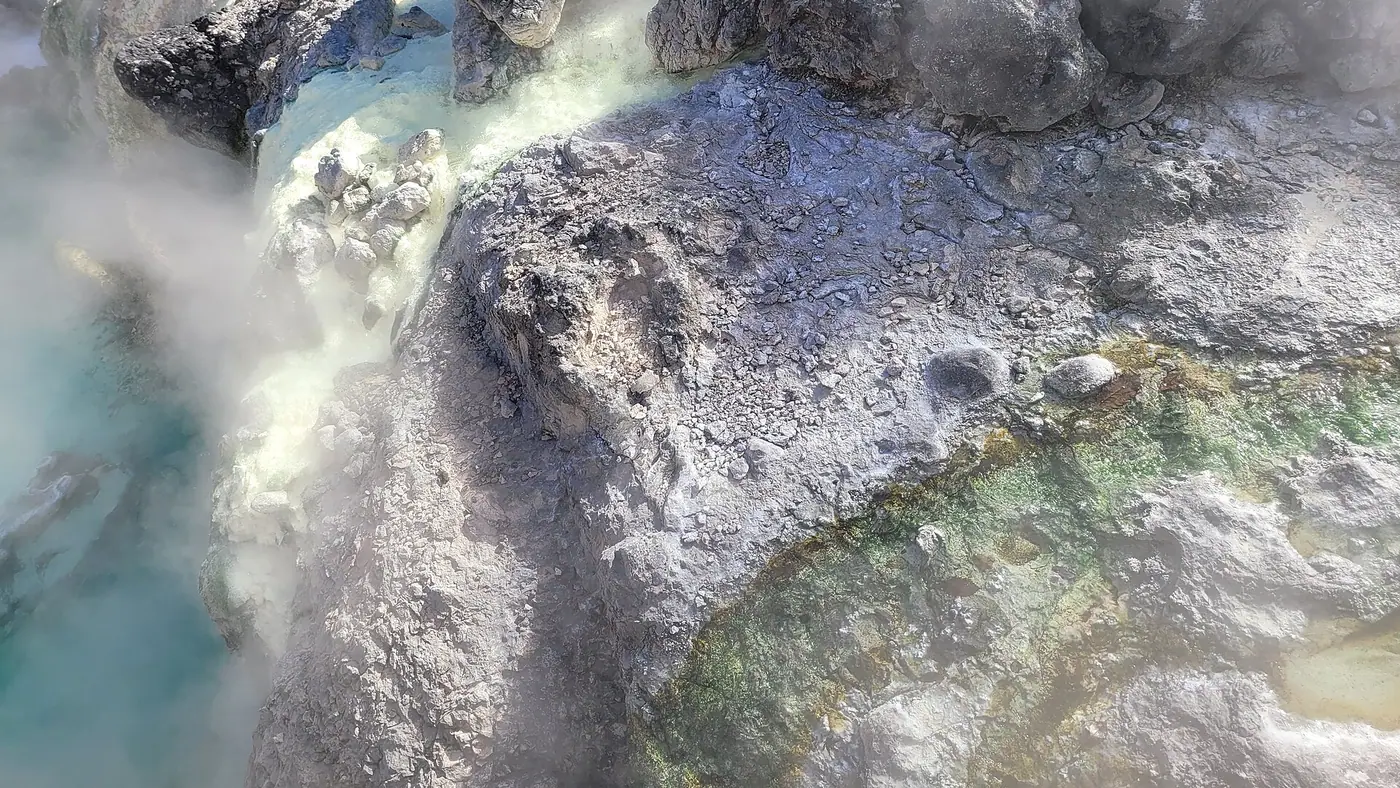
A soak in an onsen, a natural hot spring bath, is one of the best things you can do in Japan, especially in autumn and winter. The rules can feel intimidating the first time, but there are only a few, and they all come down to one idea: the bath water is shared, so it has to stay clean. Here is what to expect, step by step.
Before you go
- Onsen are bathed in naked. Swimsuits are not allowed in traditional baths. Everyone else is in the same situation, and nobody is looking.
- Baths are separated by gender. The entrances are marked with curtains (noren), often blue for men (男) and red for women (女). Learn the two characters, since the colors are not universal, and some places swap the men's and women's sides between morning and evening.
- Bring or rent two towels: a large one to dry off, and a small one to carry into the bath area.
- Drink water first. Hot baths dehydrate you quickly. Avoid going in right after drinking alcohol or a big meal.
Step by step
- Take off your shoes at the entrance and put them in the shoe locker.
- Undress completely in the changing room. Put your clothes and large towel in a basket or locker. Take only the small towel into the bath area.
- Wash first, thoroughly. Sit on a stool at the washing station and wash your whole body with soap and rinse it all off before you get in. This is the most important rule.
- Tie up long hair so it stays out of the water.
- Ease into the bath slowly. The water is often 40 to 42°C, and some are hotter.
- Keep your towel out of the water. Fold it and put it on your head, or set it on the edge of the bath.
- Soak in short rounds. Five to ten minutes at a time is plenty. Step out to cool down, then go back in.
- Dry off before going back to the changing room, using your small towel, so you don't drip on the floor.
Many people don't rinse off after their final soak, so the minerals stay on their skin. That part is up to you.
Things not to do
- Don't swim, splash or dive.
- Don't put your head under the water.
- Don't wash clothes or towels in the bath.
- Don't take photos. Phones should stay in the changing room.
- Don't talk loudly. Quiet conversation is fine.
Tattoos
Many public baths and hotel baths still don't allow tattoos, because of their old association with organized crime. Rules are changing, and more places now welcome tattoos or allow small ones covered with a patch. Check before you go. If your tattoos are large, these options help:
- Private baths (kashikiri-buro): many ryokan and some public baths rent private baths by the hour for couples, families or anyone who wants privacy.
- Rooms with their own bath: some ryokan rooms have a private open-air bath.
- Tattoo-friendly onsen: search ahead, as some towns list baths that welcome everyone.
Kinds of onsen
- Public bathhouses (soto-yu): town-run baths, usually cheap and full of locals.
- Ryokan baths: traditional inns with their own baths, often open to day visitors at set hours.
- Rotenburo: outdoor baths, the best kind in winter, with steam rising into cold air.
- Ashiyu: free foot baths, often in town squares and at stations. A good way to try a hot spring with no rules at all.
A few famous onsen towns
- Kusatsu (Gunma): known for the Yubatake, a steaming "hot water field" in the middle of town.
- Kinosaki (Hyogo): seven public baths to hop between in a yukata.
- Ginzan (Yamagata): wooden inns along a river, especially beautiful in snow.
- Dogo (Ehime): one of the oldest hot springs in Japan, with a historic bathhouse.
- Gero (Gifu): one of Japan's best-known hot spring towns, an easy trip from Nagoya.
You can find onsen near your trip with the Hot Springs filter on the NipponNavi map, and the guide's phrase cards cover the basics for getting around.