Hikone Castle: An Original Keep on Lake Biwa, and How to Visit
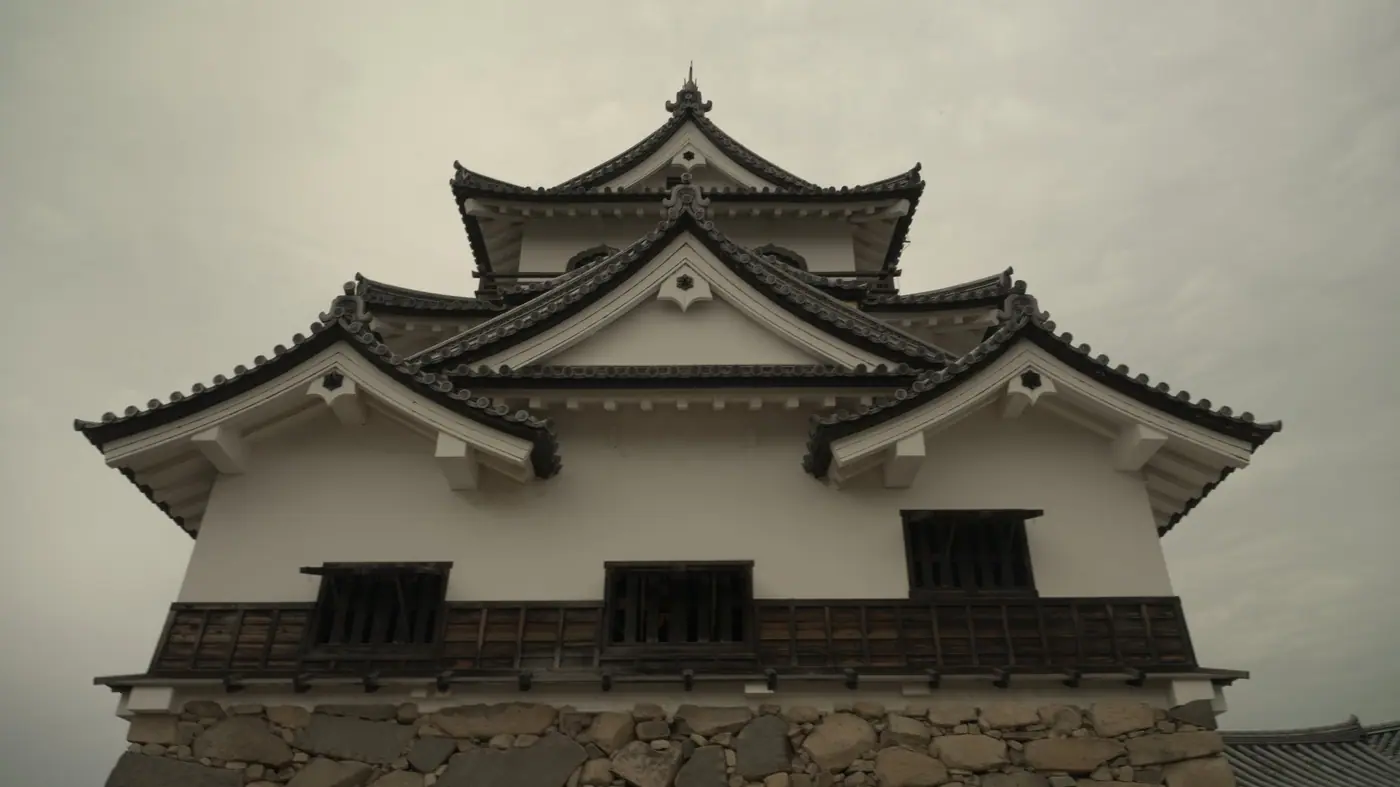
Most Japanese castles you see today are concrete reconstructions. Hikone Castle is the real thing. Its main keep was finished in 1622 and has stood ever since, which makes it one of only twelve original keeps left in Japan and one of just five castles designated a National Treasure. It sits on a hill above Lake Biwa, an easy train ride from Kyoto or Nagoya, and it is rarely as crowded as Himeji.
The keep
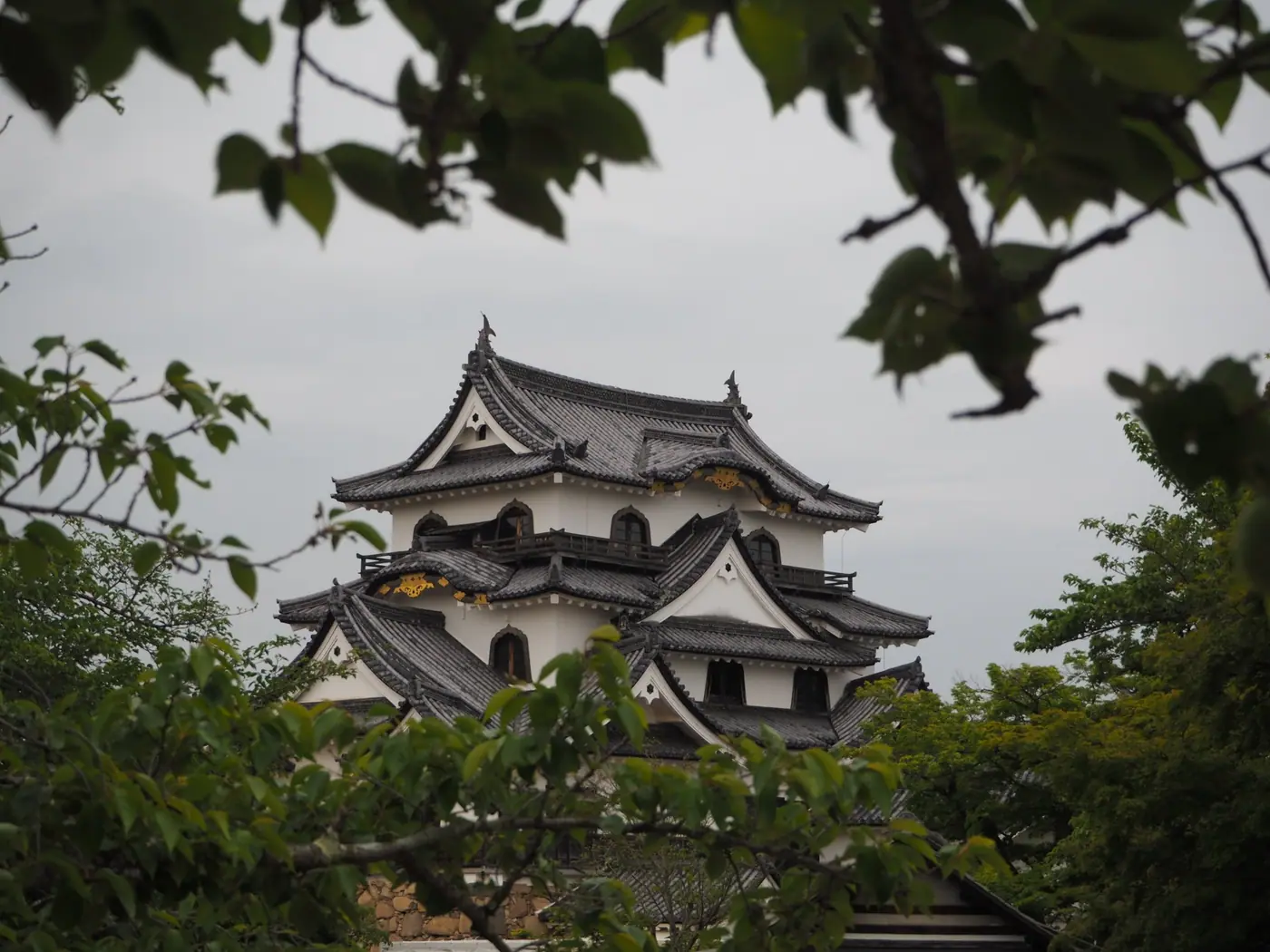
The three-story keep is small compared with Himeji or Osaka, but it is beautifully detailed, with a mix of gable styles, curved windows and gold-trimmed decoration. It was built for the Ii clan, who ruled Hikone for the whole Edo period, and parts of it were moved from an older castle nearby.
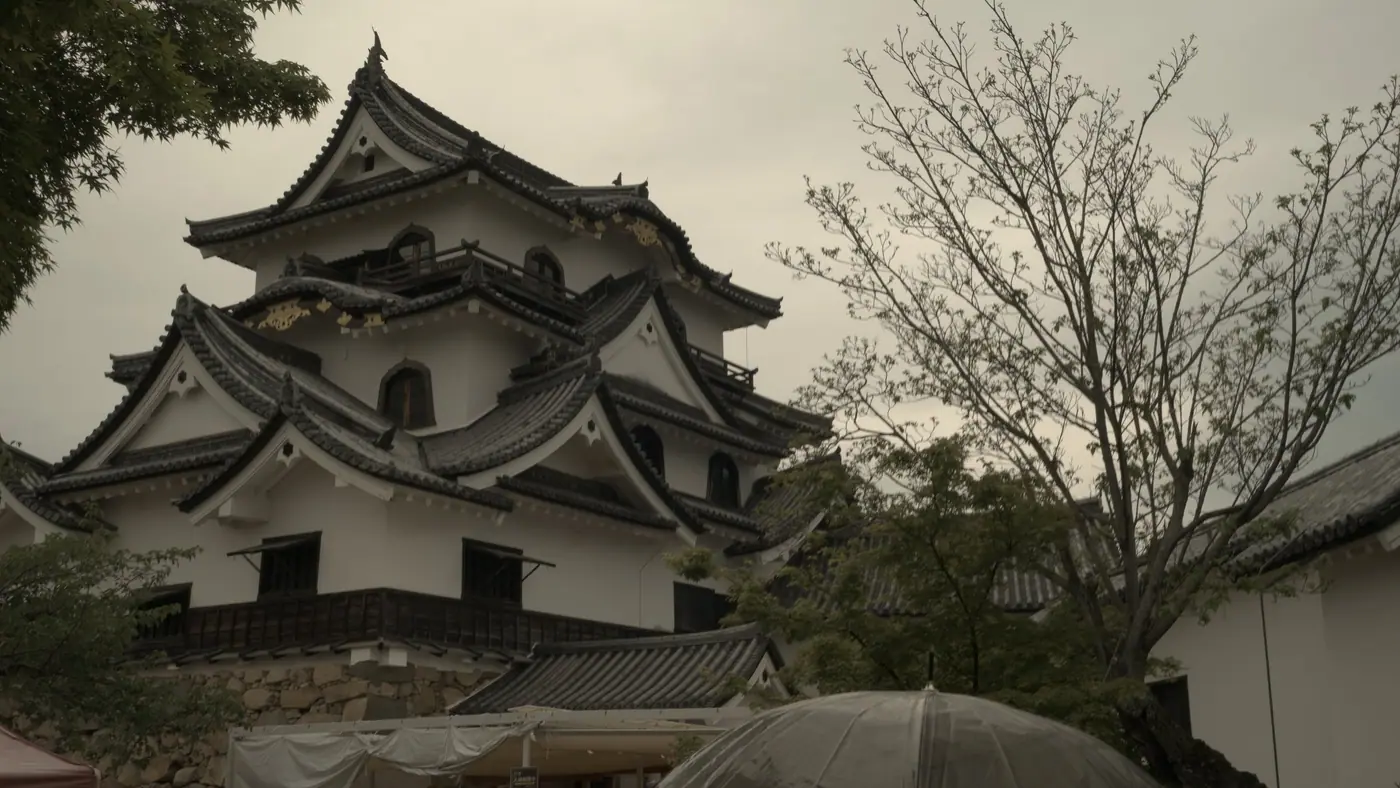
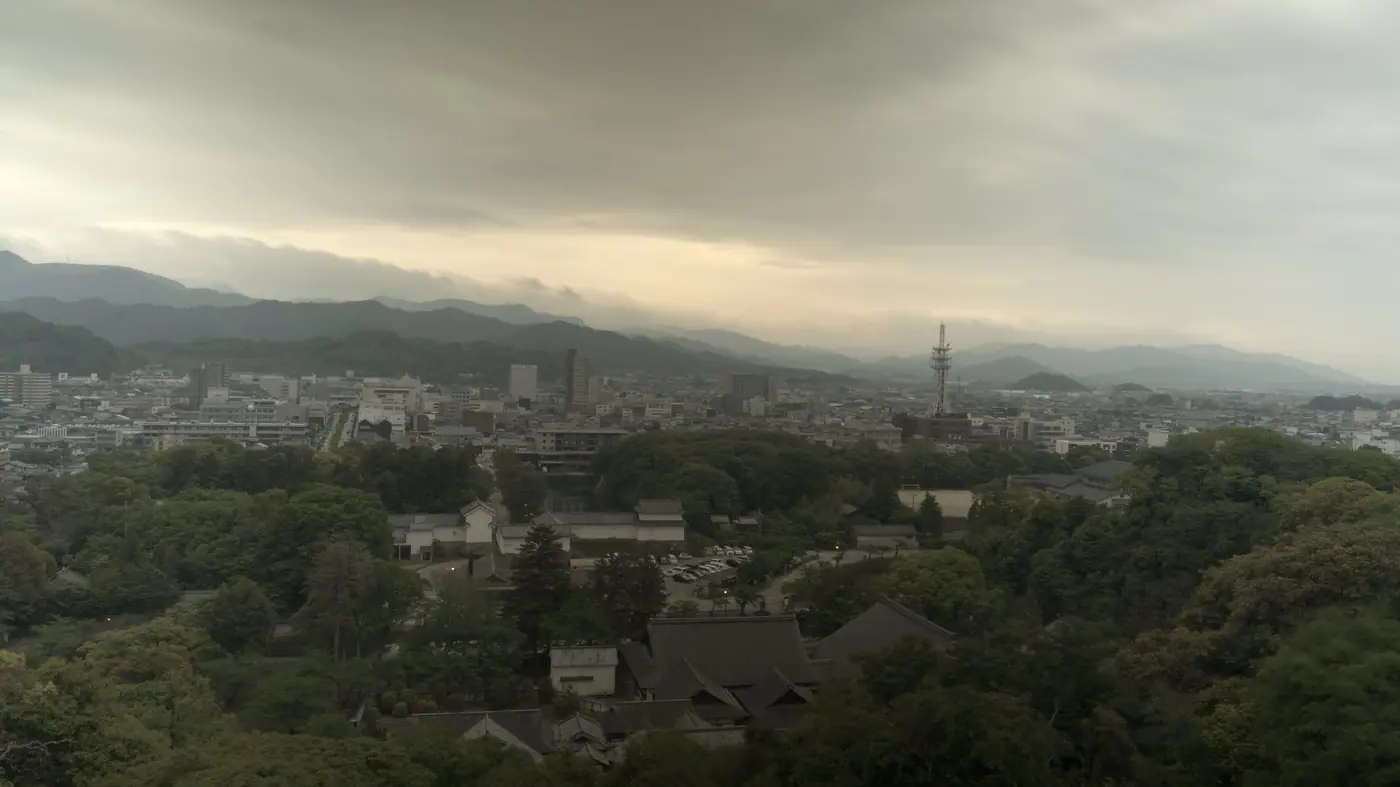
Inside, the original wooden structure is on display. The stairs are steep, almost ladders, so wear shoes that are easy to take off and leave your big bags outside. From the top floor, you can see across the town to Lake Biwa.
On the way up
The path to the keep is part of the defense. Look for:
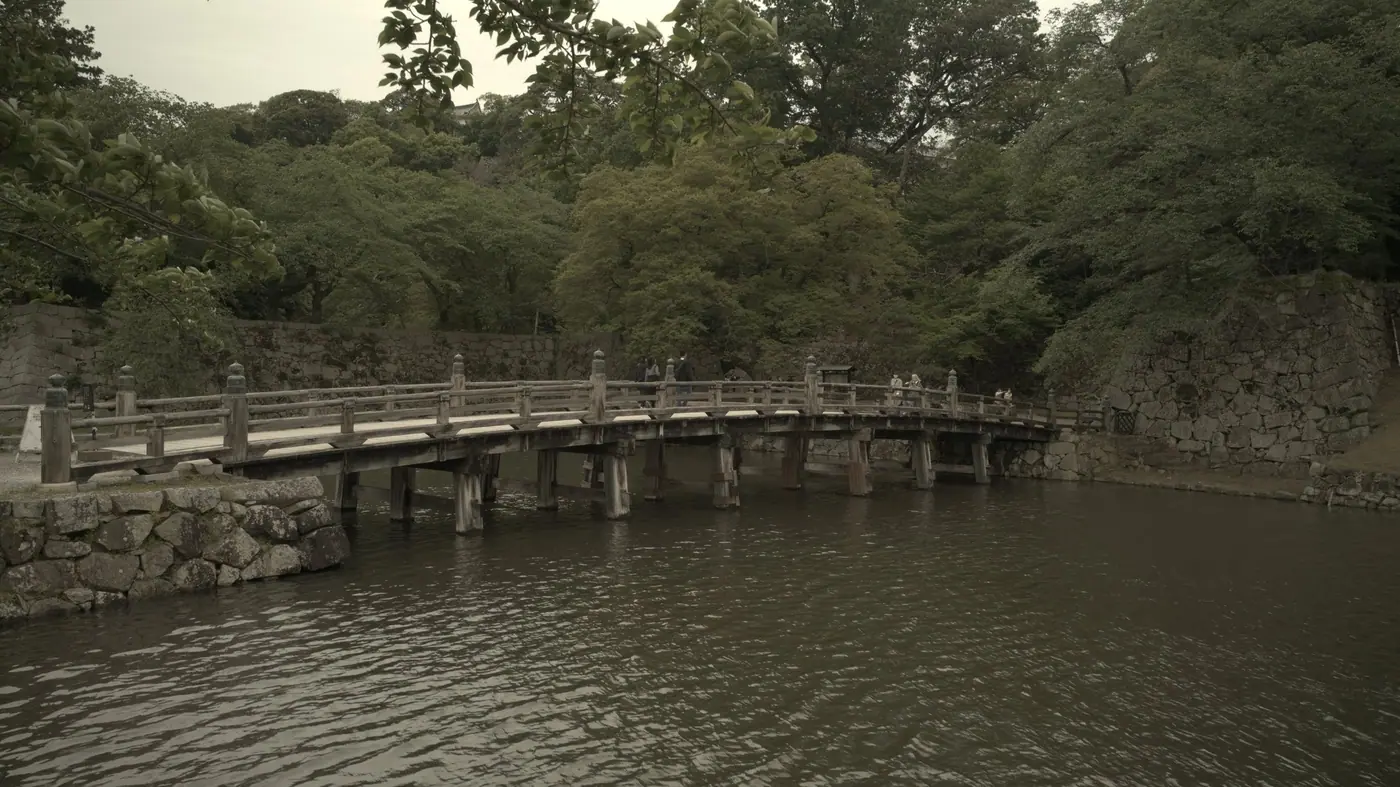
- Tenbin-yagura: a long turret shaped like a balance scale, with a wooden bridge in front of it that defenders could destroy to cut off attackers.
- The stone walls and dry moats: steep and winding, built to slow anyone heading for the keep.
- The bell tower: its bell still rings several times a day.
Genkyuen garden
At the foot of the castle hill, Genkyuen (玄宮園) is a strolling garden built in 1677 for the lords of Hikone. Paths lead around a large pond with islands and bridges, and the castle keep rises above the trees on the hill behind. There is a teahouse where you can have matcha and a sweet looking over the water. In late November, the garden is lit up in the evenings for the autumn leaves.
The moat
The castle's wide outer moats are lined with stone walls, cherry trees and willows, and a walk around them is a good way to see the castle from all sides. In season, small roofed boats carry visitors along the moat for a view of the walls from the water.
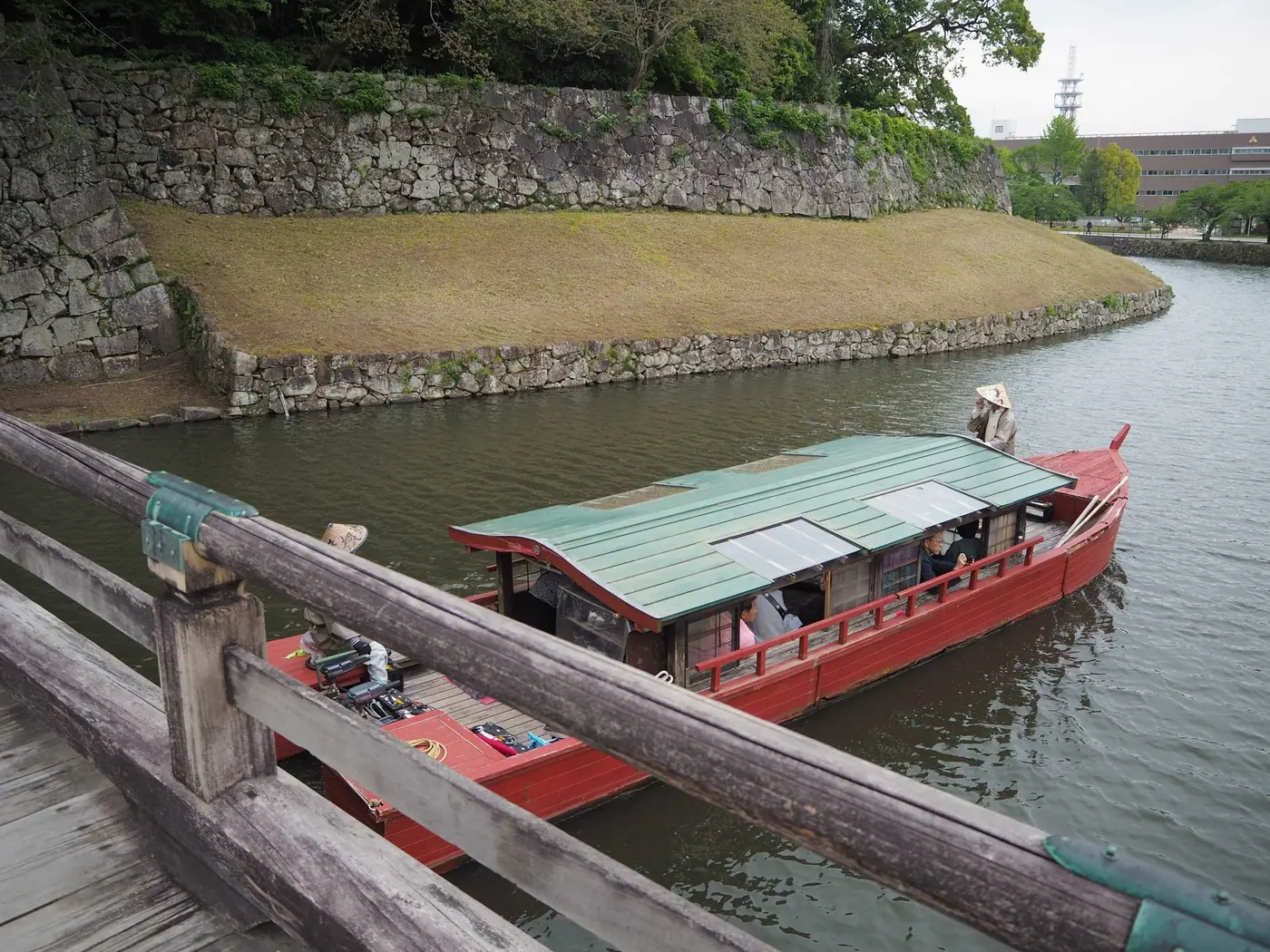
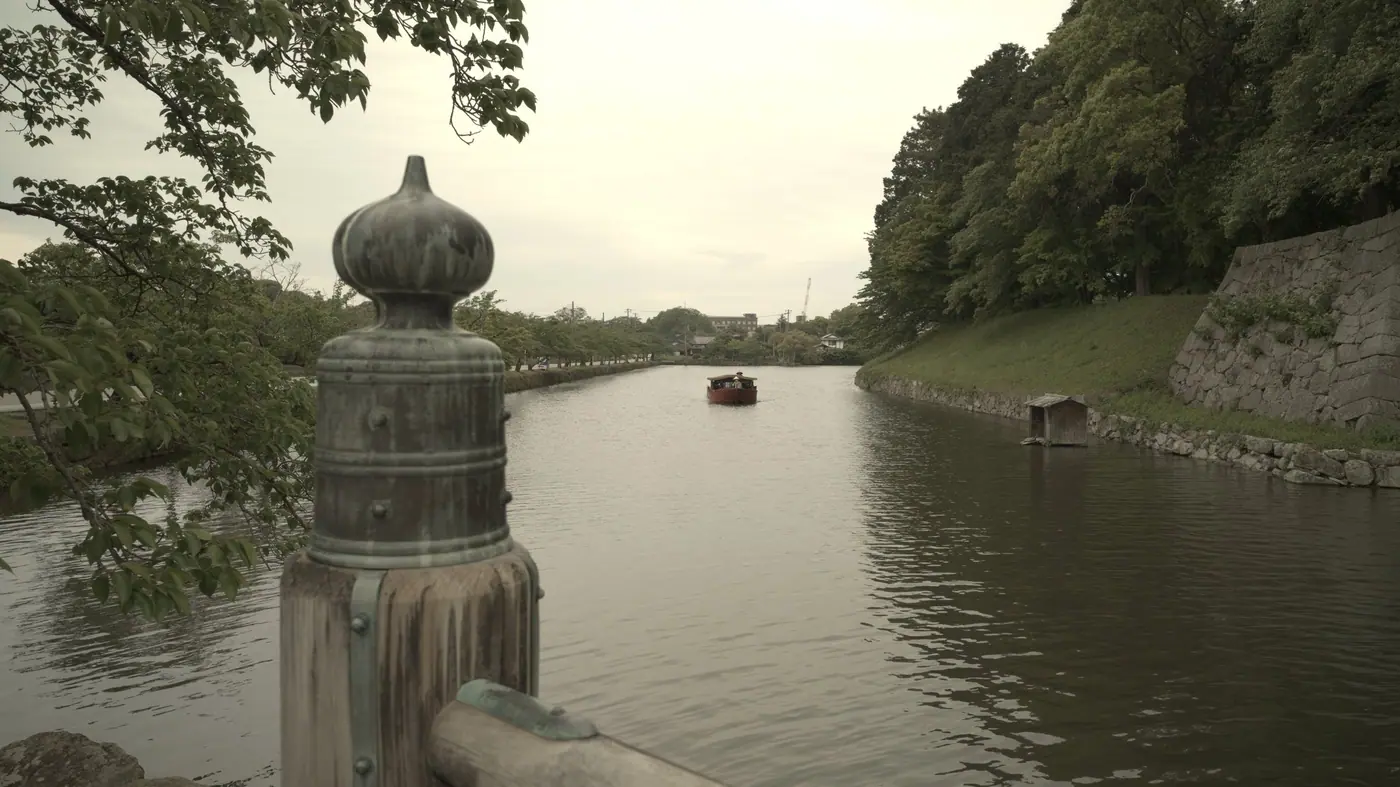
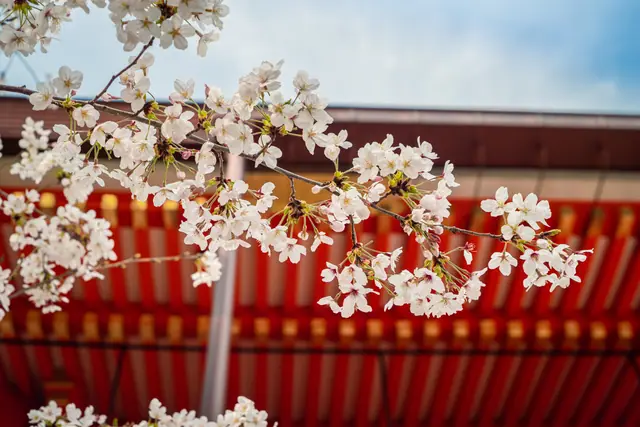
In early April, more than 1,000 cherry trees bloom around the castle and the moats. It is the busiest and most beautiful time to visit.
Hikonyan
Hikone's mascot, Hikonyan, is a white cat wearing a red samurai helmet. He is one of the most famous local mascots in Japan, and he appears at the castle several times a day to greet visitors. Appearance times are posted at the castle and on the city's tourism site.
Yume Kyobashi Castle Road
Below the castle, Yume Kyobashi Castle Road is a street rebuilt in Edo-period style with white walls and black lattice, now lined with cafes, sweet shops and restaurants. Look for omi beef, one of Japan's oldest beef brands, which comes from this part of Shiga.
Getting there
- From Kyoto: JR Special Rapid to Hikone, about 50 minutes, no change needed.
- From Nagoya: Tokaido Shinkansen to Maibara, then one stop on the JR line to Hikone, about 40 minutes in total.
- From Hikone Station: walk straight up the main street to the castle, about 15 minutes.
Allow about two to three hours for the keep, Genkyuen and a walk along the moat, longer if you stop for lunch on Castle Road.
You can find the castle and the town on the Shiga guide and the NipponNavi map.