Korankei in Autumn: Aichi's Famous Maple Gorge, Day and Night
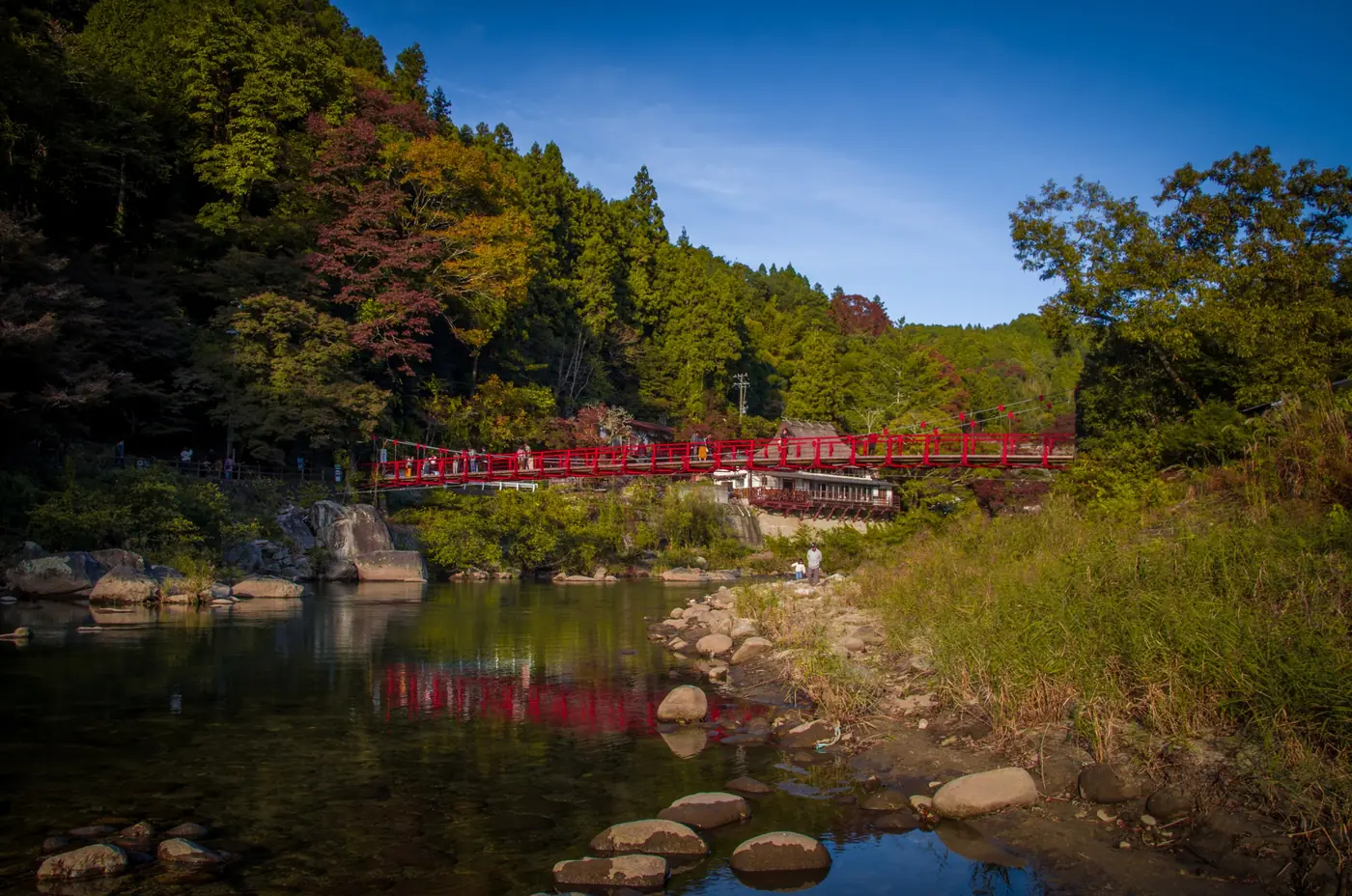
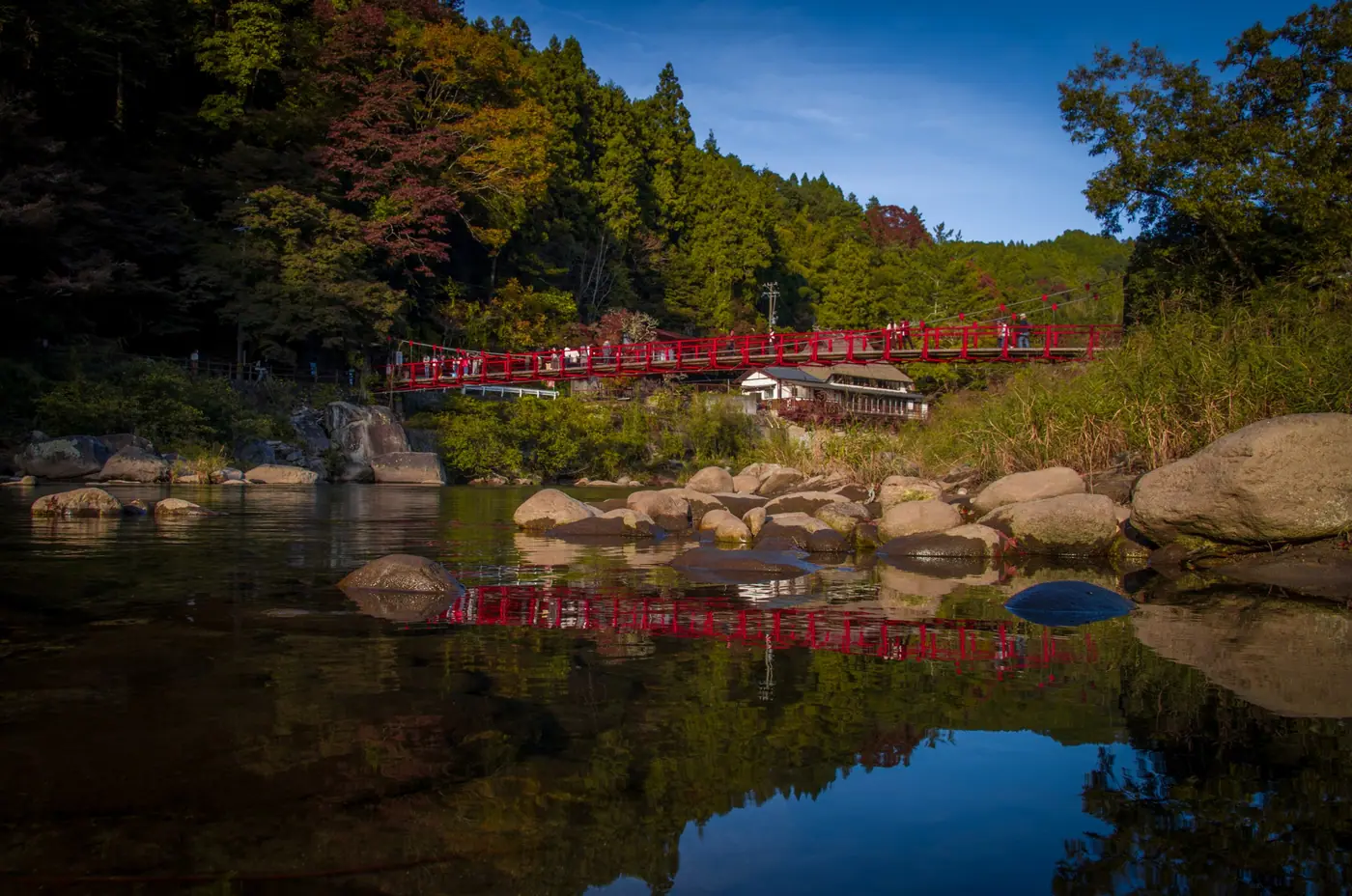
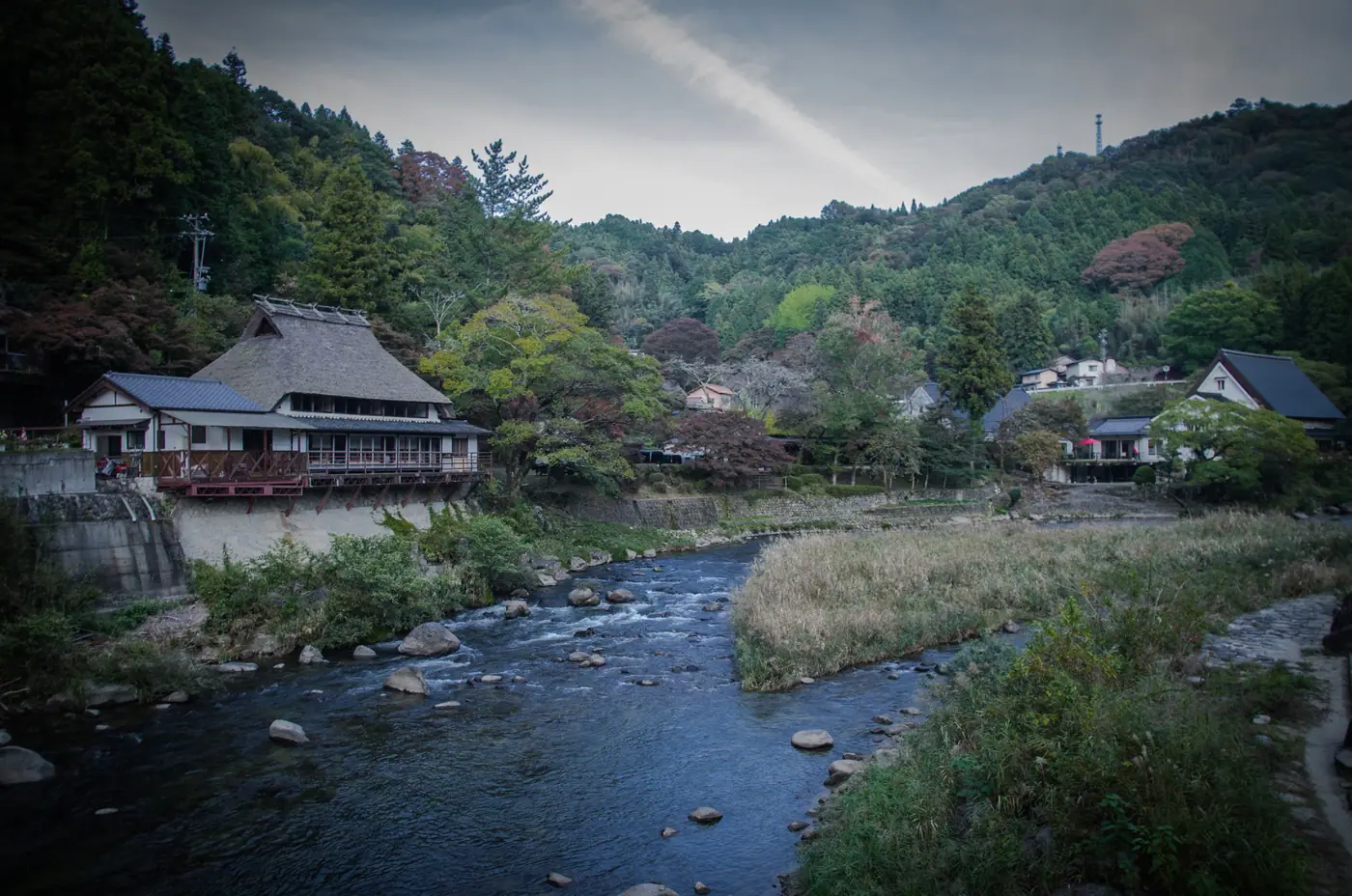
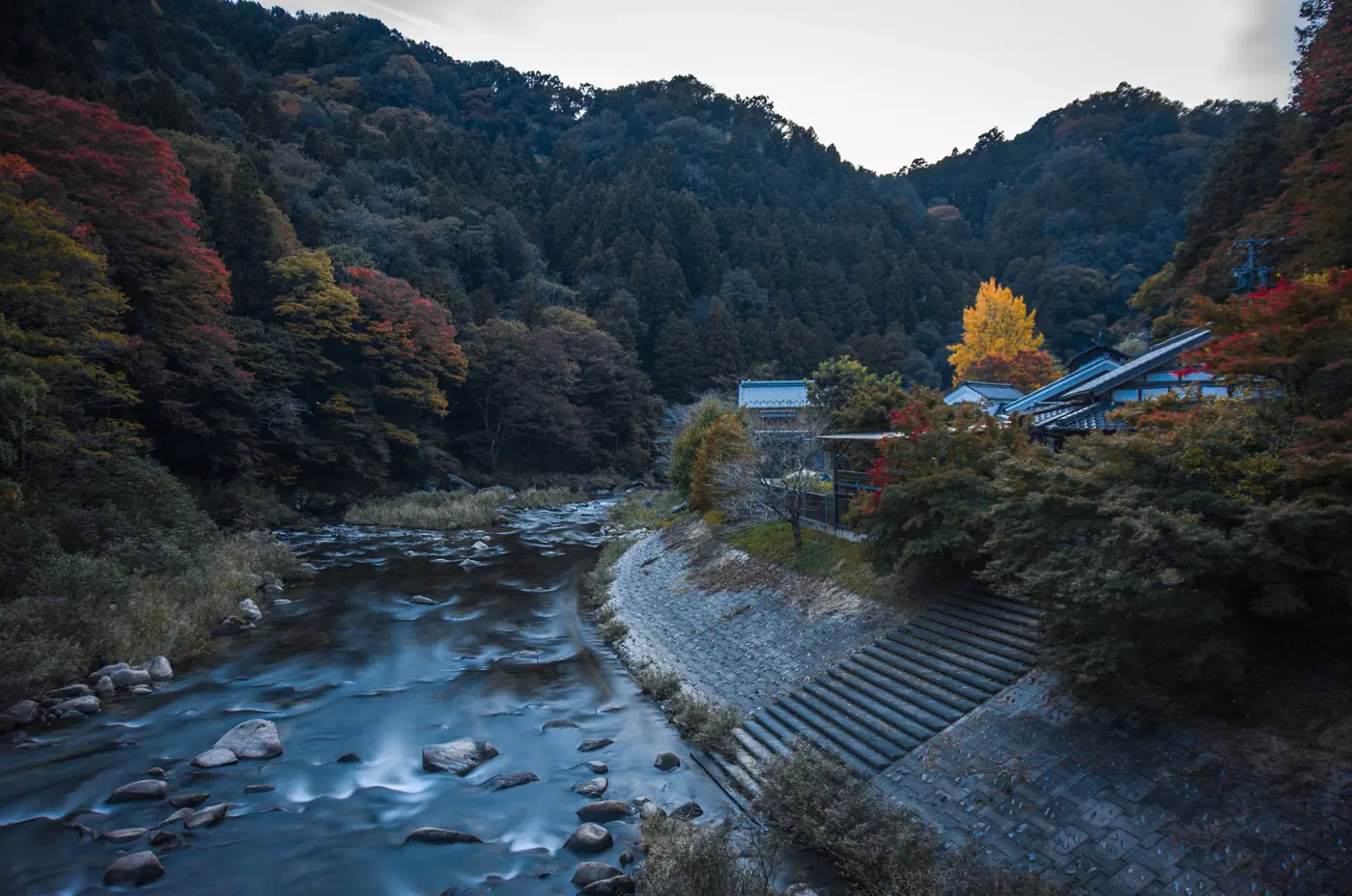
Korankei (香嵐渓) is a river gorge in the hills of Asuke, on the eastern edge of Toyota City. For most of the year it is a quiet valley with a red bridge and a clear, shallow river. In November it turns into one of the best-known autumn leaf spots in central Japan, with thousands of maples covering the slopes of Mount Iimori and lights that keep the color going after dark.
Why the maples are here
The trees started with a temple. In the 1630s, a priest at Kojaku-ji, a Zen temple at the foot of Mount Iimori, began planting maples along the path, and local people kept adding more over the centuries. Today the hillside and the banks of the Tomoe River are covered in Japanese maples, many of them hundreds of years in the making.
When to go
- Peak color: usually mid to late November. Forecasts for 2026 point to the last week of the month, but the timing shifts every year, so check a foliage forecast about two weeks before you go.
- Momiji Festival: runs every day from November 1 to 30, 2026. Entry to the gorge is free.
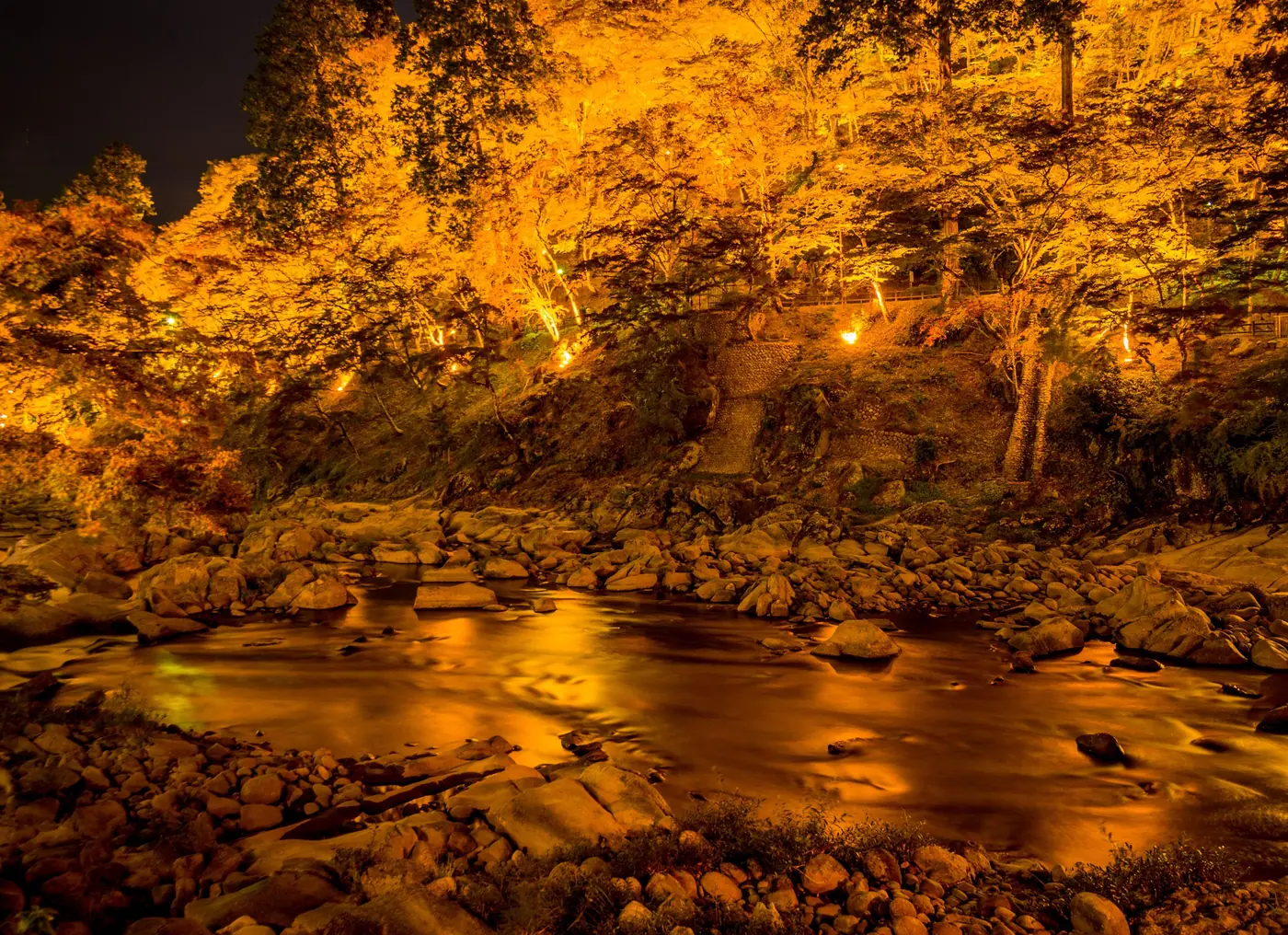
- Light-up: Mount Iimori is lit from sunset until 9 p.m. every night of the festival. The lights reflect in the river, and the red bridge glows against the dark hill.
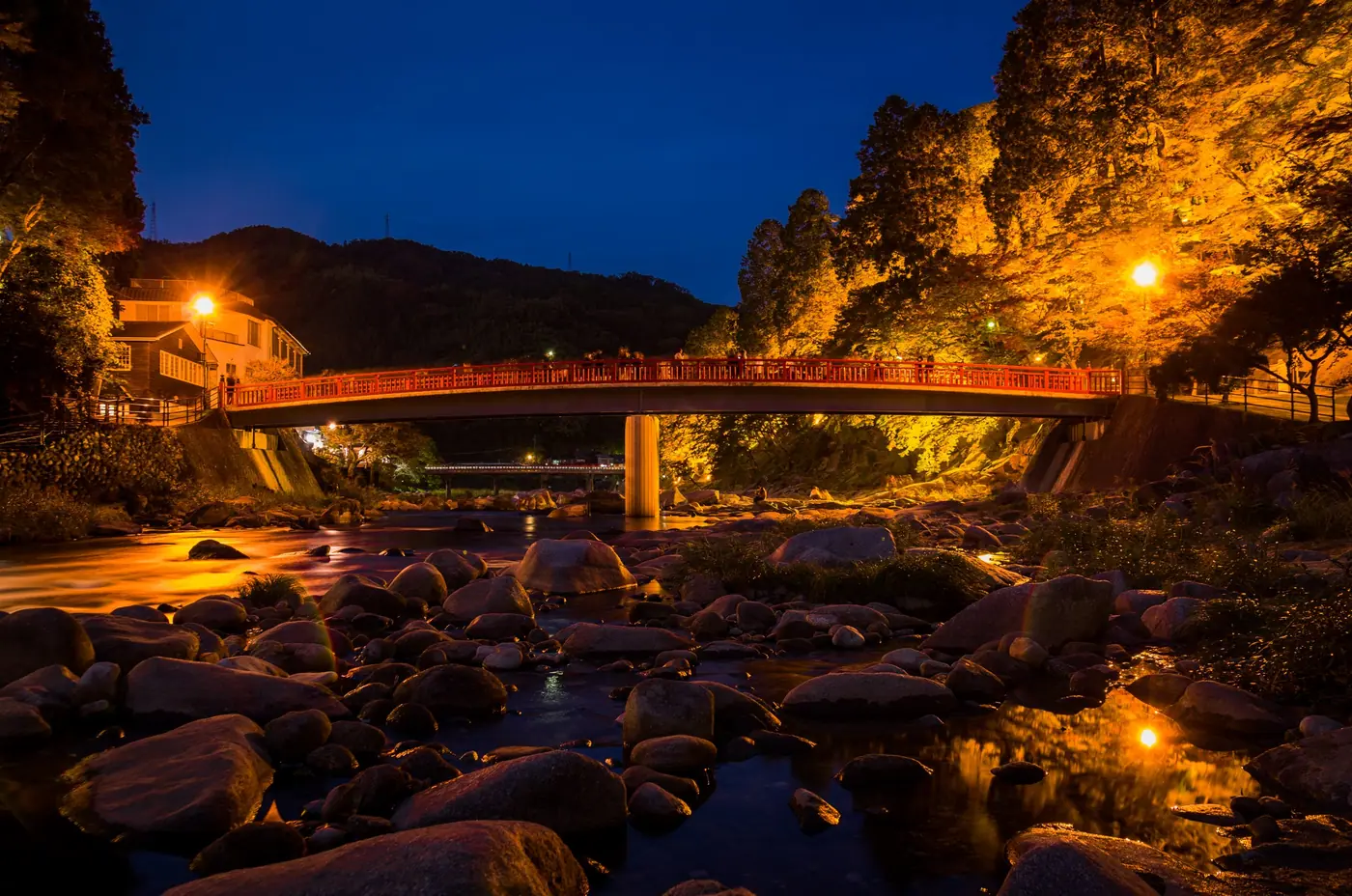
On weekends during the festival, bamboo lanterns line the approach to Kojaku-ji in the early evening, and wishing candles are set out along the river near Tomoe Bridge.
What to see
Taigetsukyo Bridge and the riverbank
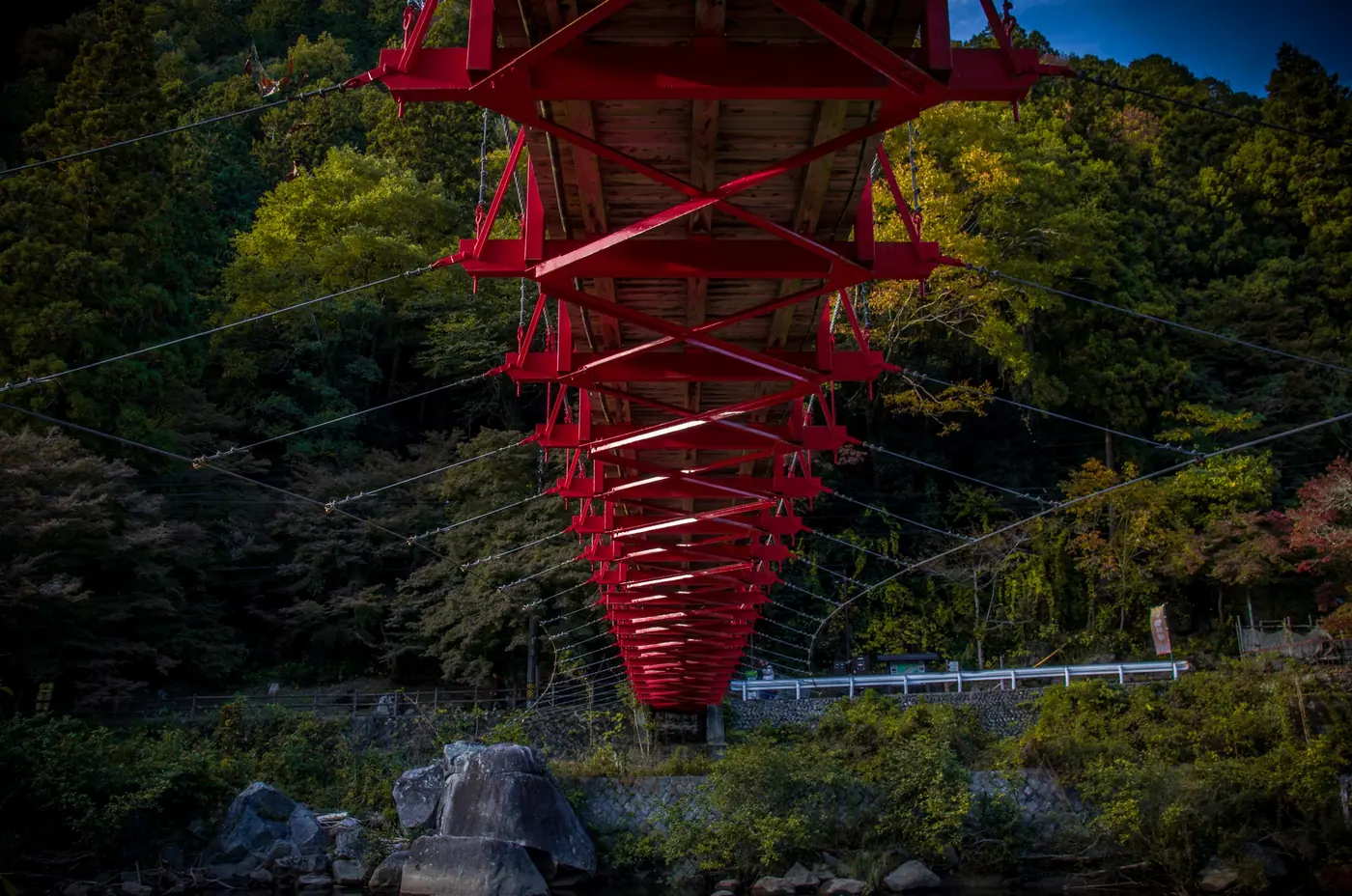
The red suspension bridge (待月橋, Taigetsukyo) is the picture everyone wants. Walk the paths on both sides of the river for different angles, and look for the flat rocks below the bridge where the water is calm enough to hold a reflection.
Kojaku-ji and the maple tunnel
The temple approach up the hill is lined with old maples that close over the steps. This is the best part of the gorge in daylight, especially in the morning before the crowds.
Sanshu Asuke Yashiki
A short walk from the main square, this living museum recreates a mountain village with working craftspeople: weaving, indigo dyeing, charcoal making and more. There is an entry fee. It is a good stop for kids, and a good place to warm up.
Asuke's old town
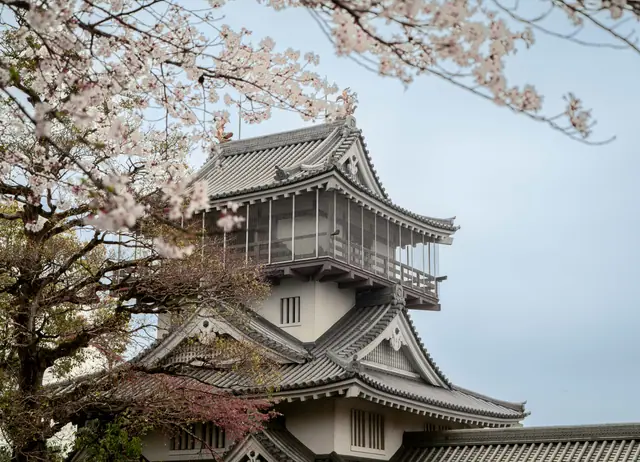
Asuke was a merchant town on the old salt road between the coast and the mountains, and its streets still have rows of Edo-period houses. A walk through town pairs well with the gorge, and you can continue to the reconstructed Asuke Castle on the hill if you have time.
What to eat
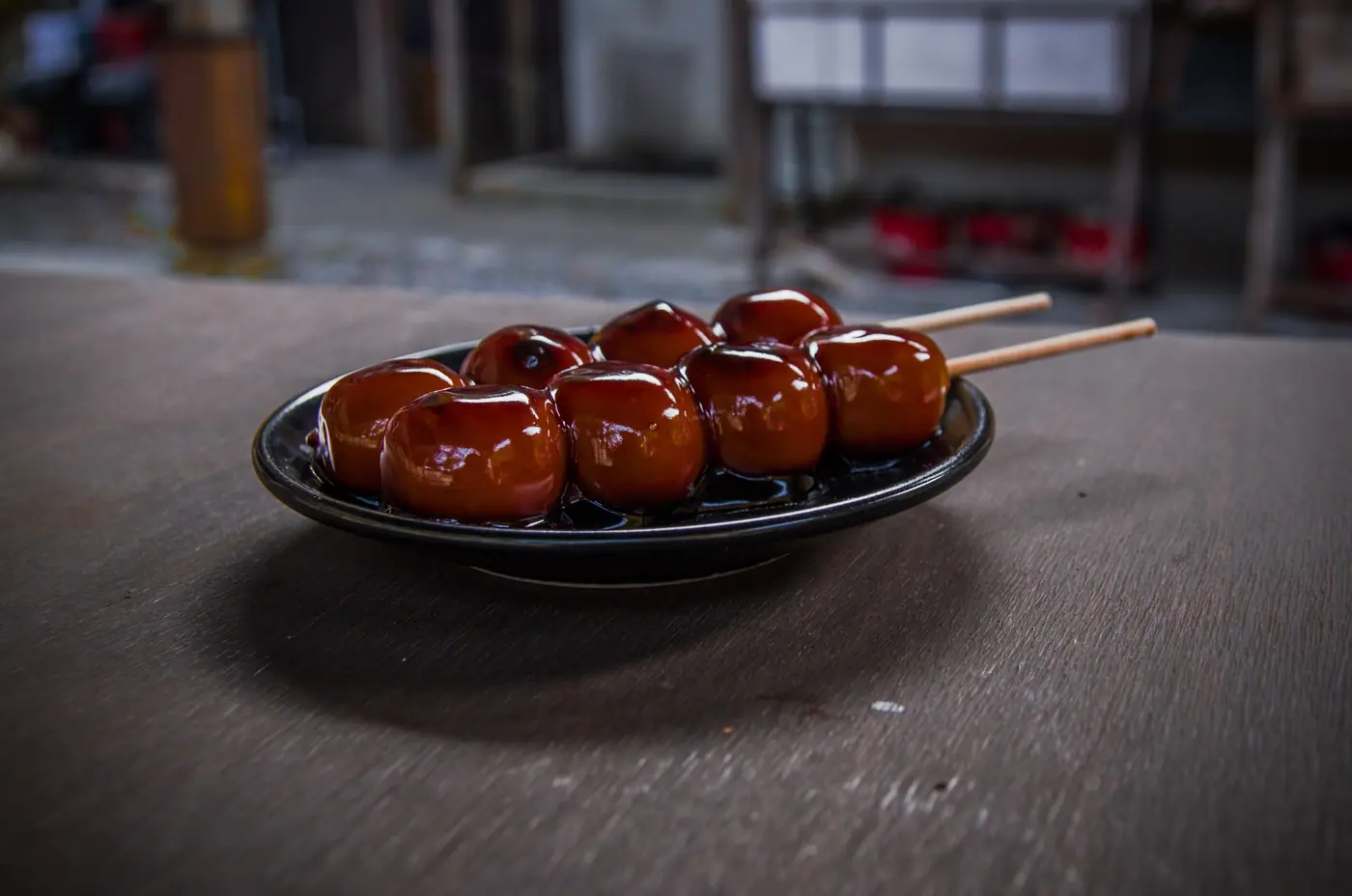
Food stalls fill the square during the festival. Look for grilled sweetfish (ayu) on skewers, gohei mochi brushed with sweet miso, and dango, which are perfect for walking.
Getting there
There is no train to Korankei, so most people take a bus:
- From Toyotashi Station (Meitetsu): Meitetsu bus toward Asuke, about 40 minutes, to the Korankei stop.
- From Higashi-Okazaki Station (Meitetsu): Meitetsu bus toward Asuke, about 70 minutes.
From Nagoya, the Meitetsu lines reach either station in under an hour. Check the bus timetable before you go, especially the last bus back, since buses are less frequent than in the city.
Driving is possible, but Route 153 into Asuke is famous for traffic jams on November weekends and the parking lots fill early. If you can, go on a weekday or take the bus.
Tips for a calmer visit
- Weekdays are much quieter than weekends.
- Morning is best for the temple approach and soft light on the river.
- Late afternoon, after day-trip groups leave and before the night crowd arrives, is a good time to photograph the bridge.
- Dress warmly for the light-up. Valley evenings in late November are cold.
You can find Korankei and the rest of the area on the Aichi guide and the NipponNavi map.