Ena Gorge and the Nakasendo Town of Ena: A Half-Day Guide
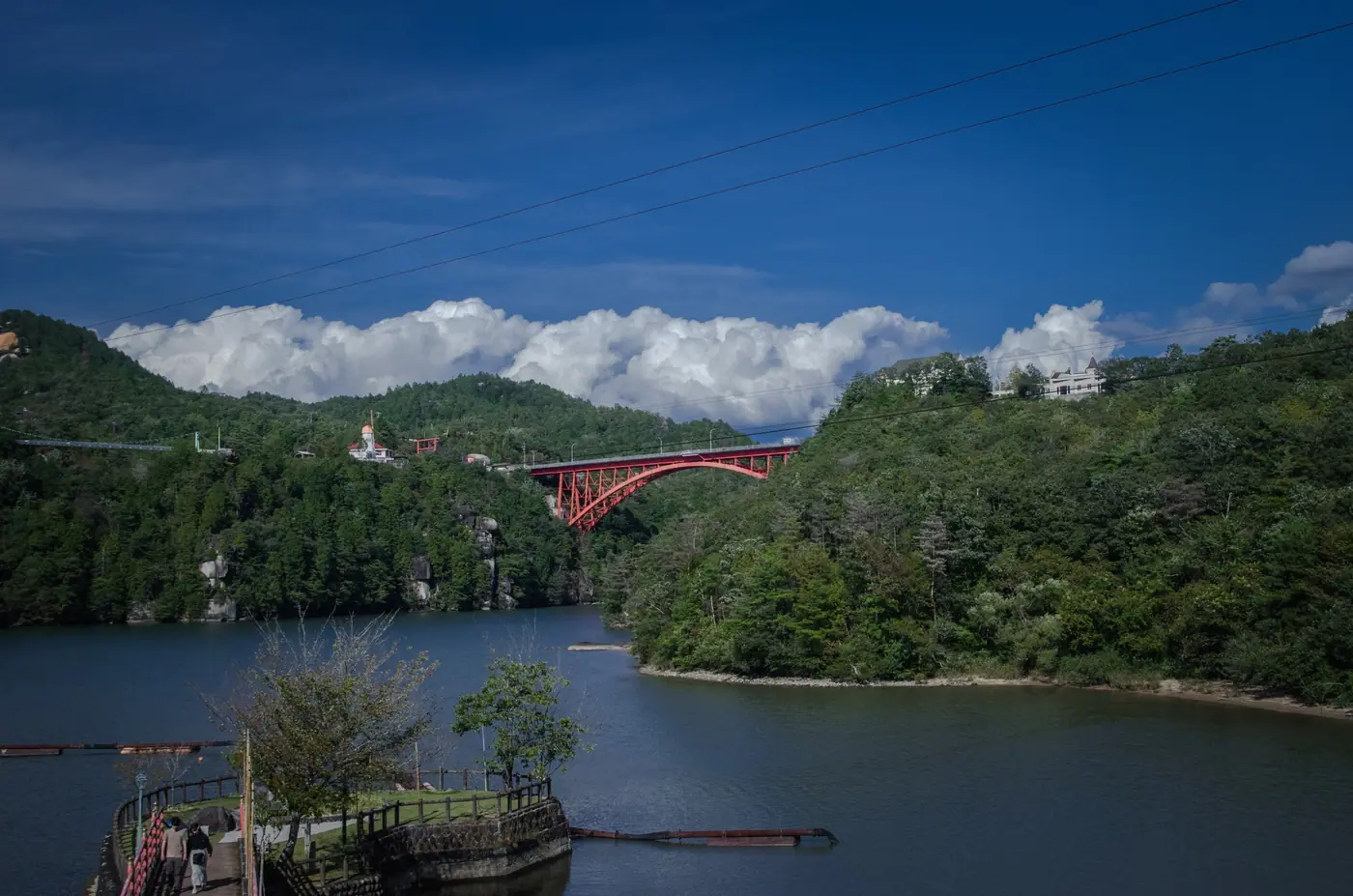
Ena, in southern Gifu, sits on the Nakasendo, the old road that once connected Edo and Kyoto through the mountains. Today it is a quiet city with a lake, a gorge, and a museum for travelers who like places that most tour routes skip. It is also an easy trip from Nagoya, which makes it a good day out when you want something calmer than the city.
Ena Gorge (Enakyo)
Ena Gorge (恵那峡) looks like a natural canyon, but the water is man-made. The lake formed in the 1920s when a dam was built on the Kiso River, and it flooded the valley between steep rocky banks. The result is a winding lake with cliffs and odd rock formations along both sides.
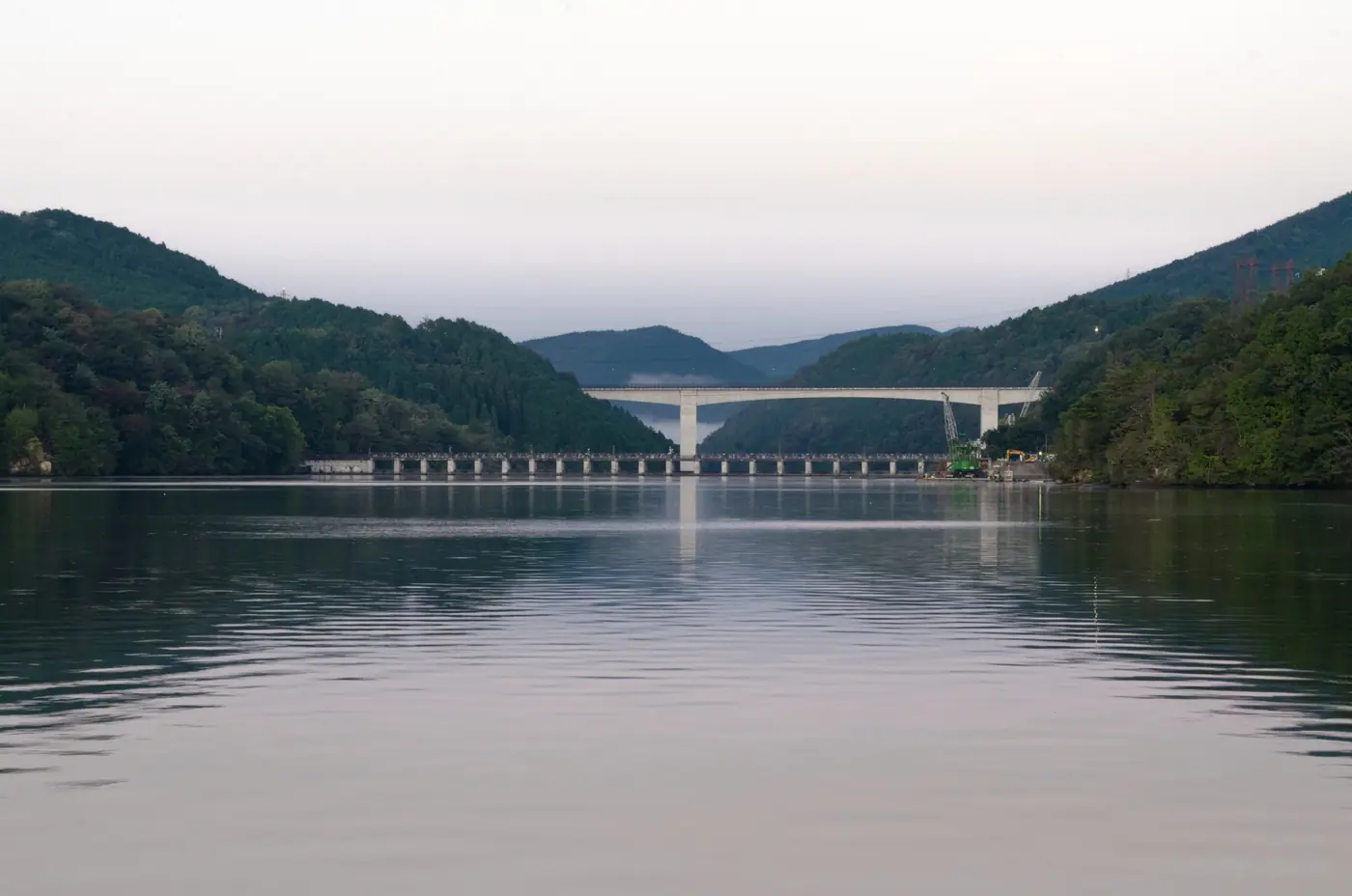
The easiest way to see the rocks is from the water, and sightseeing boats run on the lake. Walking paths and bridges let you see it from the shore as well. Boat schedules and fares change, so check the official visitor information before you go.
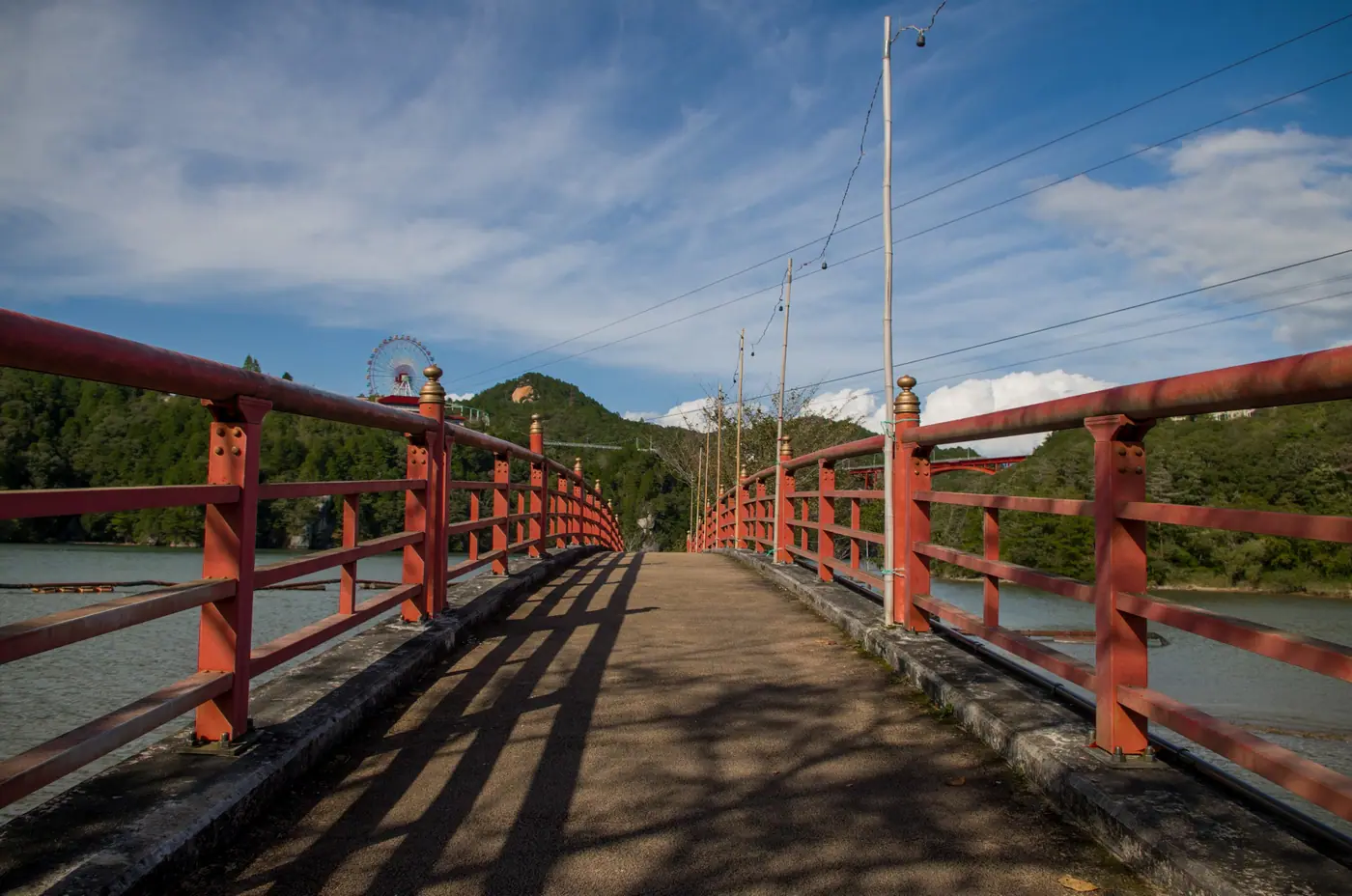
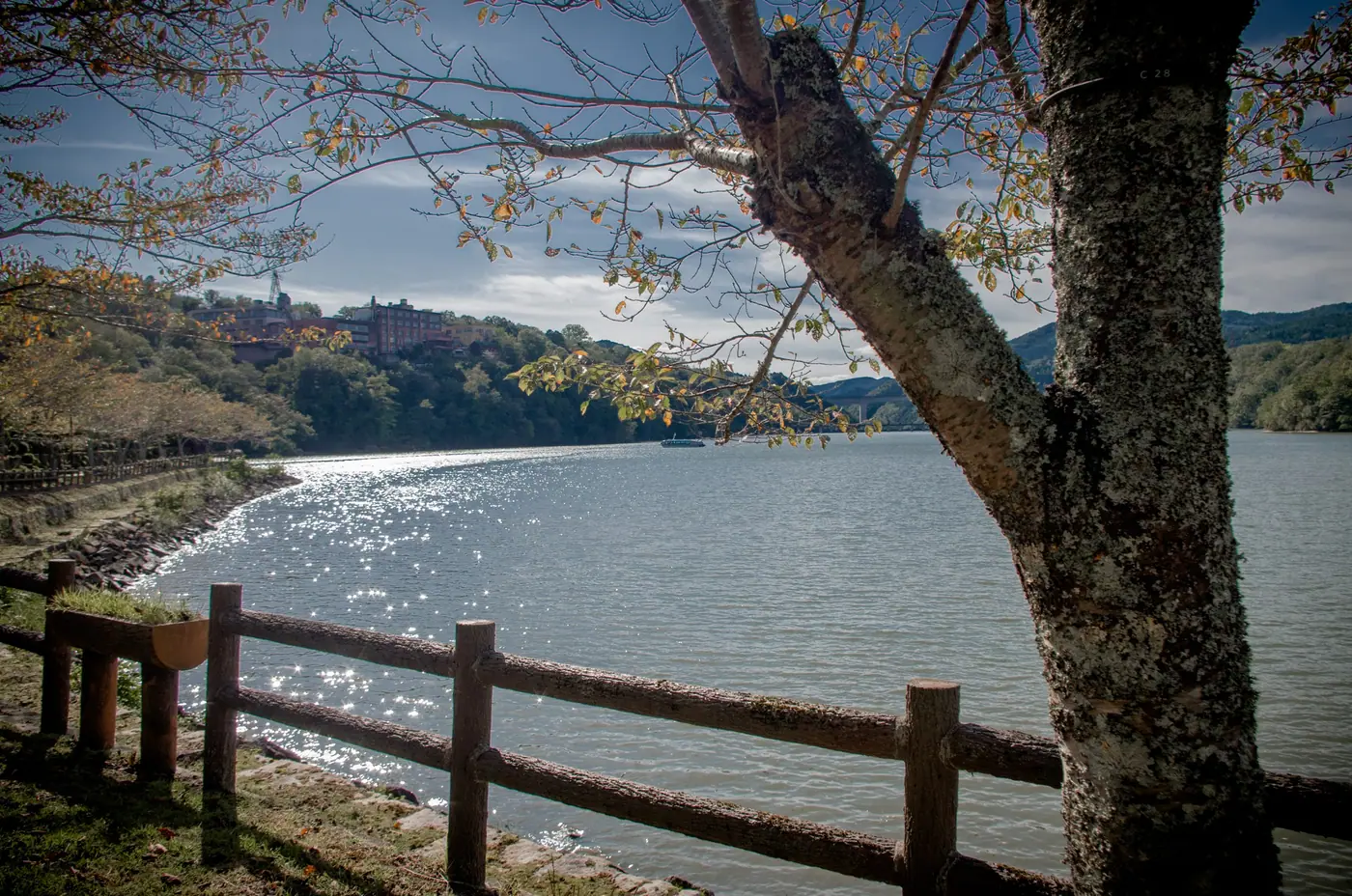
What each season is like
- Spring: about 200 cherry trees bloom around Sazanami Square. Cherry blossoms against the lake are the highlight of the year.
- Early summer: fresh green hills and calm water.
- Autumn: colored leaves along the banks, and views toward the Northern Alps on clear days.
- Winter: migratory birds and mandarin ducks make it a quiet bird-watching spot.
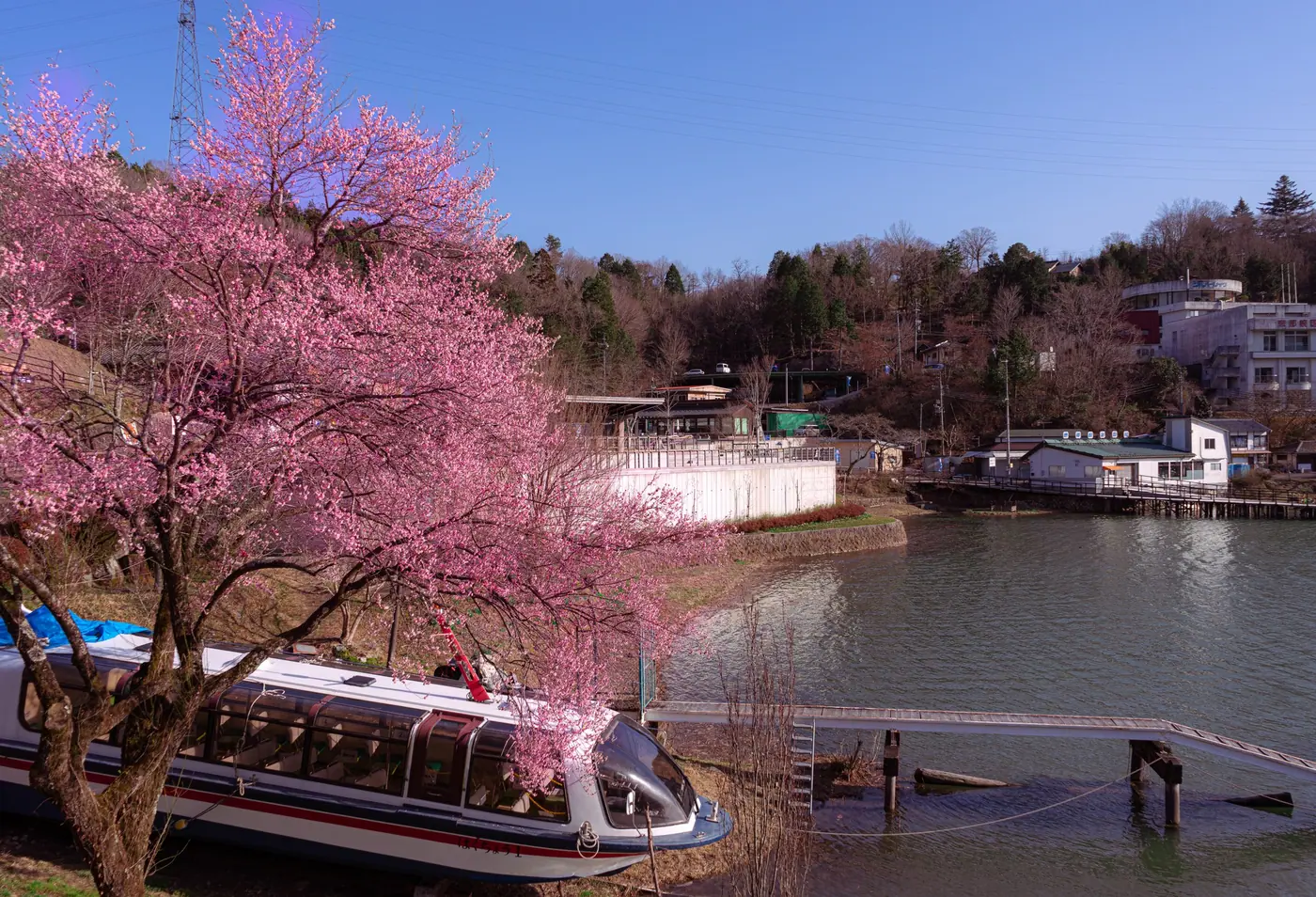
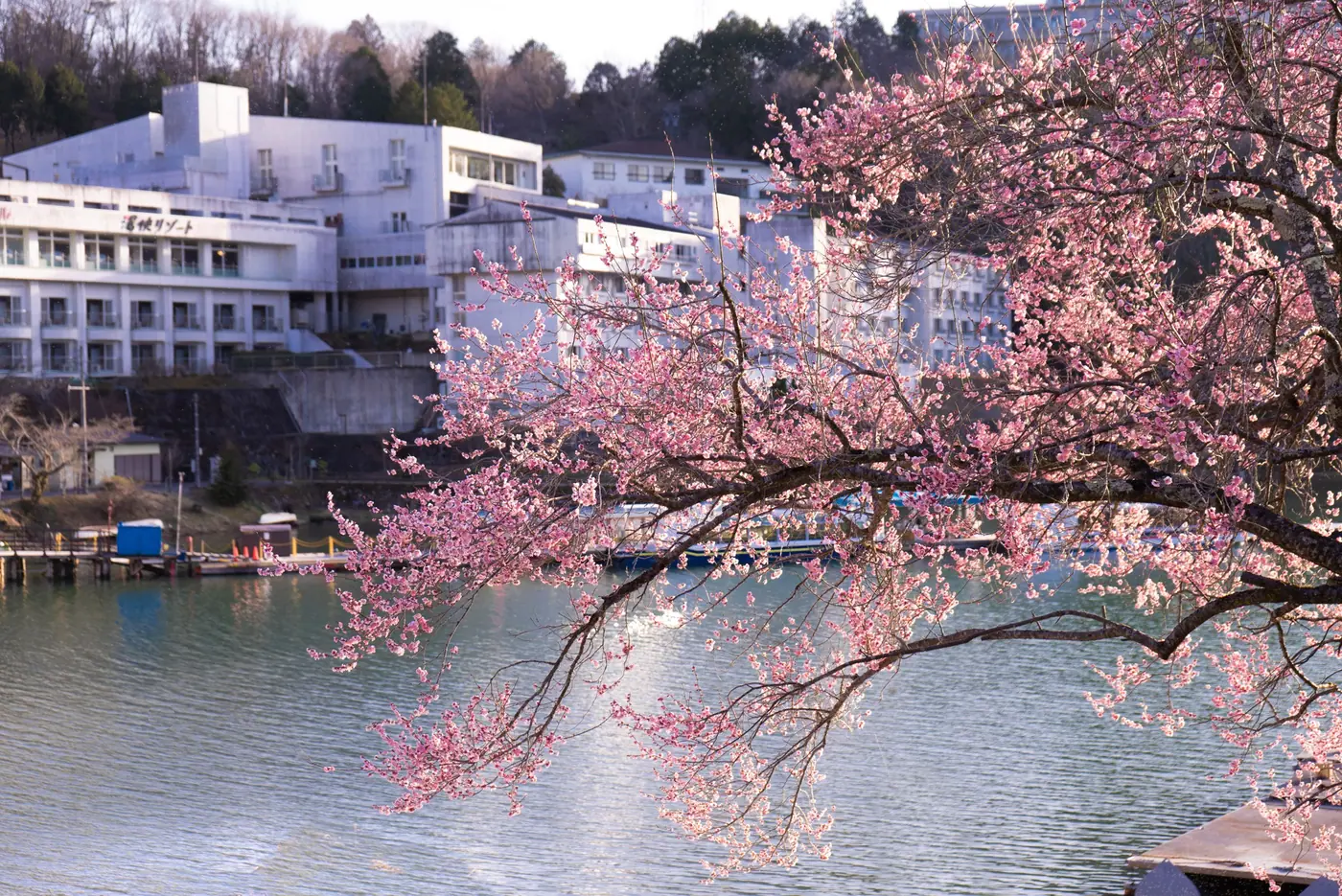
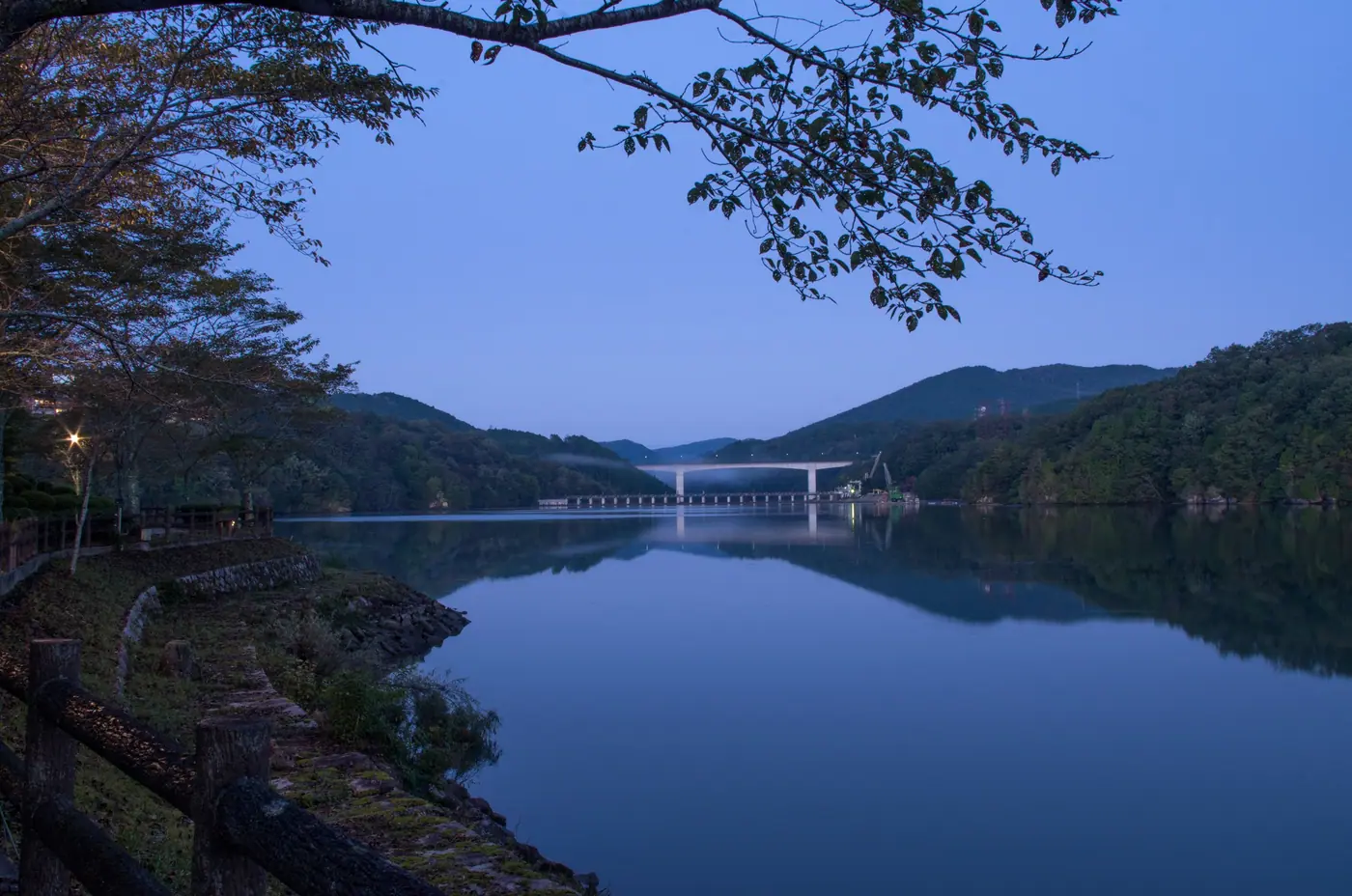
The evening and early morning are the calmest hours on the lake, with soft reflections and few people.
Getting there
From JR Ena Station, take the Totetsu bus bound for Enakyo and get off at the Enakyo stop. The ride takes about 15 minutes. Check the timetable before you go, since buses are less frequent than in a big city.
The Nakasendo and Ena's old town
Ena was a stop on the Nakasendo, and the old post town of Oi-juku was the 46th of the road's 69 stations. The town was laid out with sharp right-angle bends to slow down attackers, and you can still follow those turns on foot. A few old inns and merchant houses survive, though the main inn, the honjin, was lost in 1946, and only its gate and outer walls remain.
If you also have time, the castle town of Iwamura is nearby. We cover it in our Iwamura guide.
Nakasendo Hiroshige Museum of Art
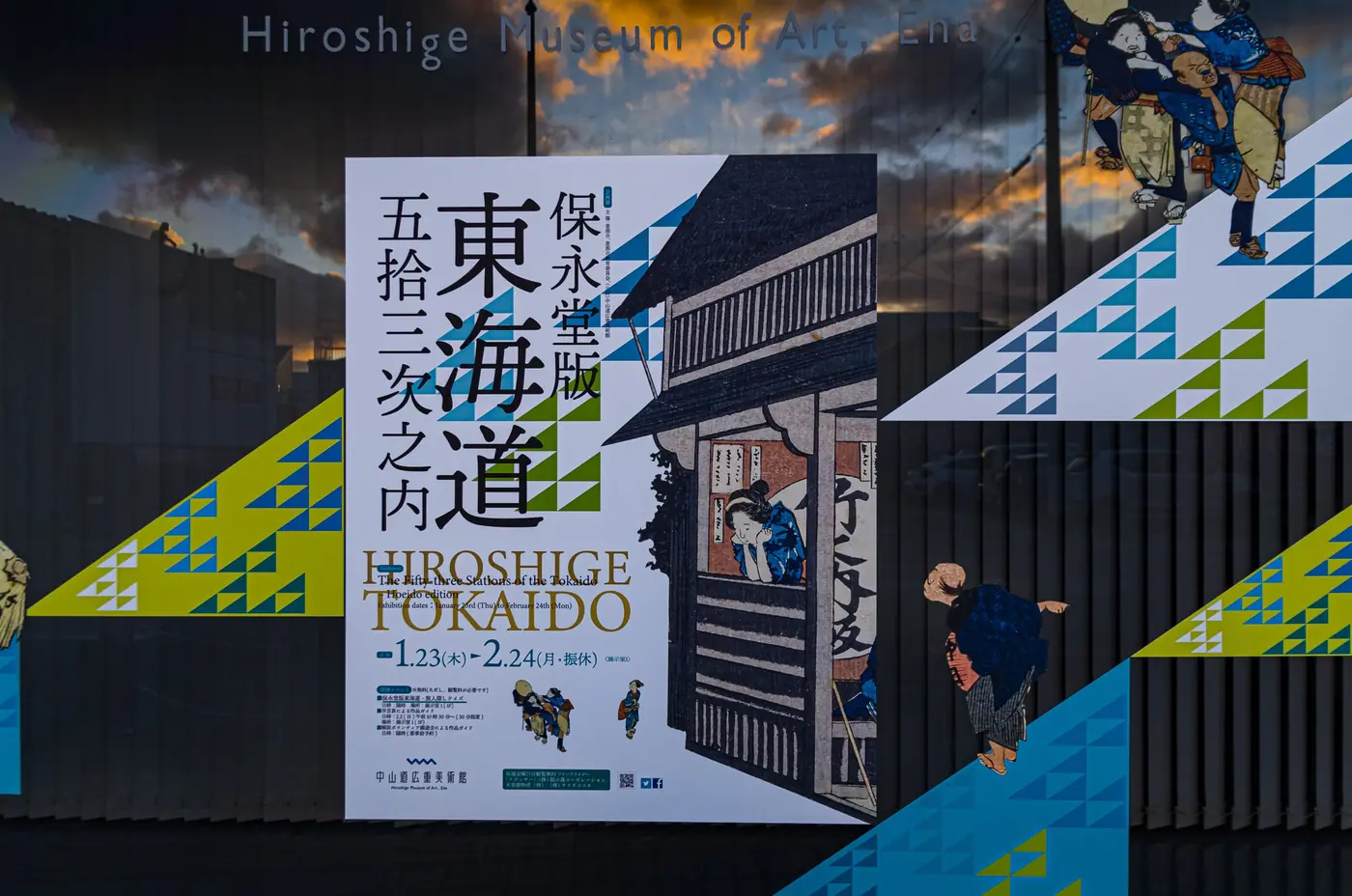
The best stop for understanding the road is the Nakasendo Hiroshige Museum of Art (中山道広重美術館), a short walk from Ena Station. It is devoted to Utagawa Hiroshige's woodblock prints of the Kisokaido, as the Nakasendo's mountain section was known. Exhibits rotate through the year, and the museum is closed on Mondays.
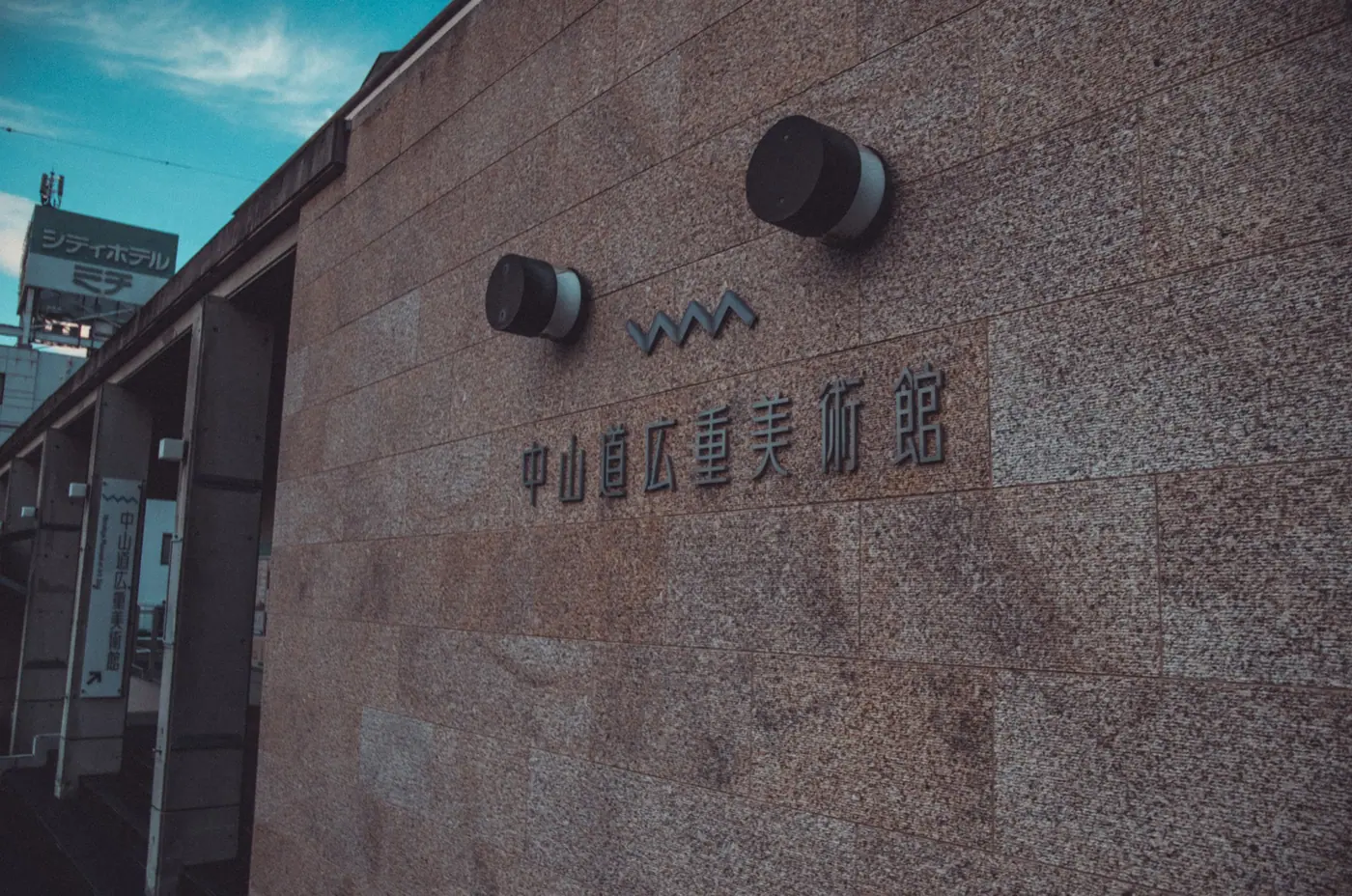
Upstairs, there is a hands-on corner where you can try the layered printing process yourself, which is a good break for kids and adults alike.
What to eat
- Gohei mochi at Amakara Honten, a minute from the station. These are grilled rice skewers brushed with a sweet walnut-sesame miso sauce. It is cheap and filling, but popular items can sell out early on weekends.
- Kuri-kinton at Ena Kawakamiya Honten. This chestnut sweet is the local specialty and is made in the fall, usually from September to November.
A simple plan
- Morning: Hiroshige Museum and gohei mochi near Ena Station.
- Midday: Bus to Enakyo for the lake walk or a boat cruise.
- Afternoon: Return to town for chestnut sweets, or continue to Iwamura if you have a car.
Plan on a full day if you add Iwamura. Without a car, the bus connections make Ena Gorge and the station area the easiest pair.
You can find all of these places on the Gifu guide and the NipponNavi map.