Cape Irago: The End of the Atsumi Peninsula (and Why It's Worth the Trip)
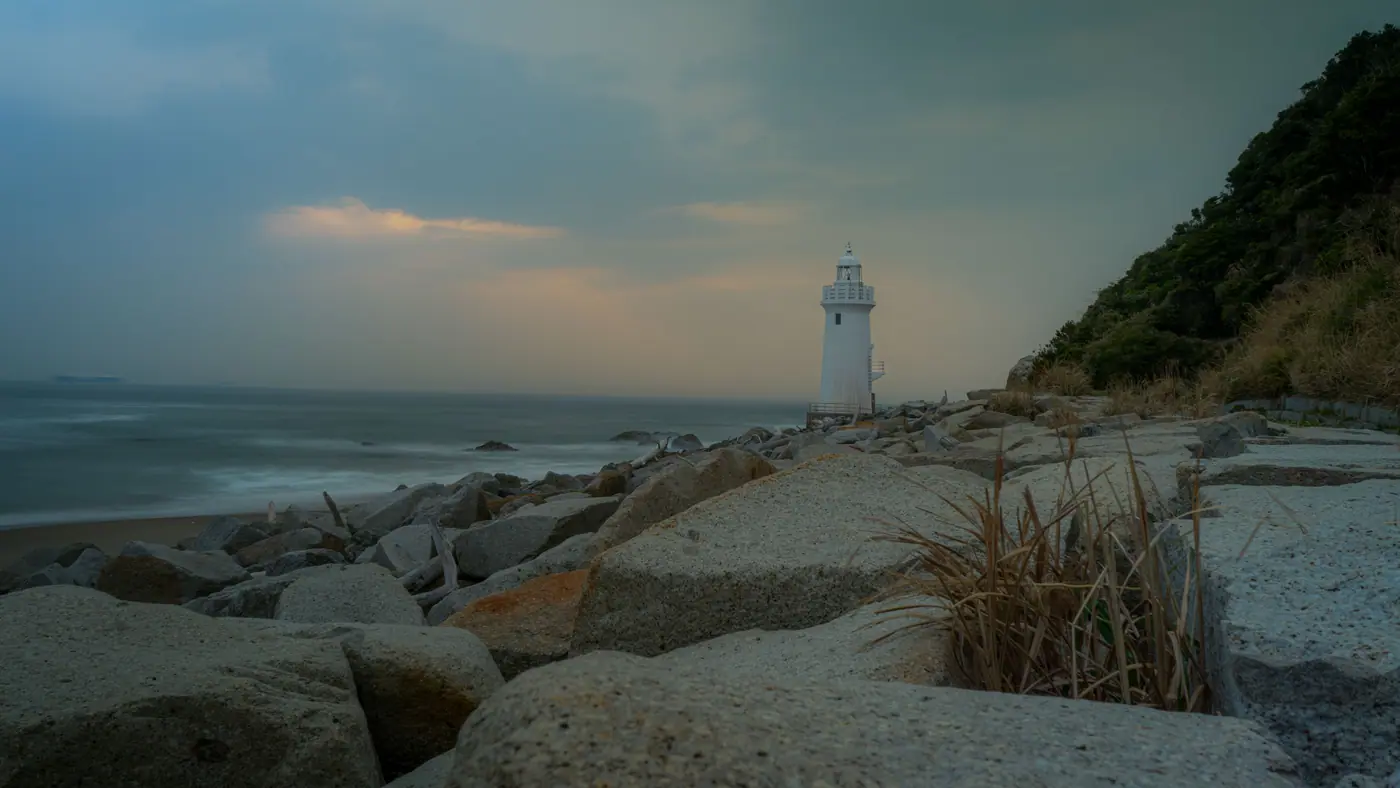
So, if you ask most people what there is to do in Aichi, you'll probably hear Nagoya Castle, miso katsu, and maybe the Toyota museum. All good answers. But if you keep driving south, past Toyohashi and all the way down the Atsumi Peninsula until you literally run out of land, you end up at Cape Irago. And honestly, it's one of the most underrated places in the whole prefecture.
The lighthouse
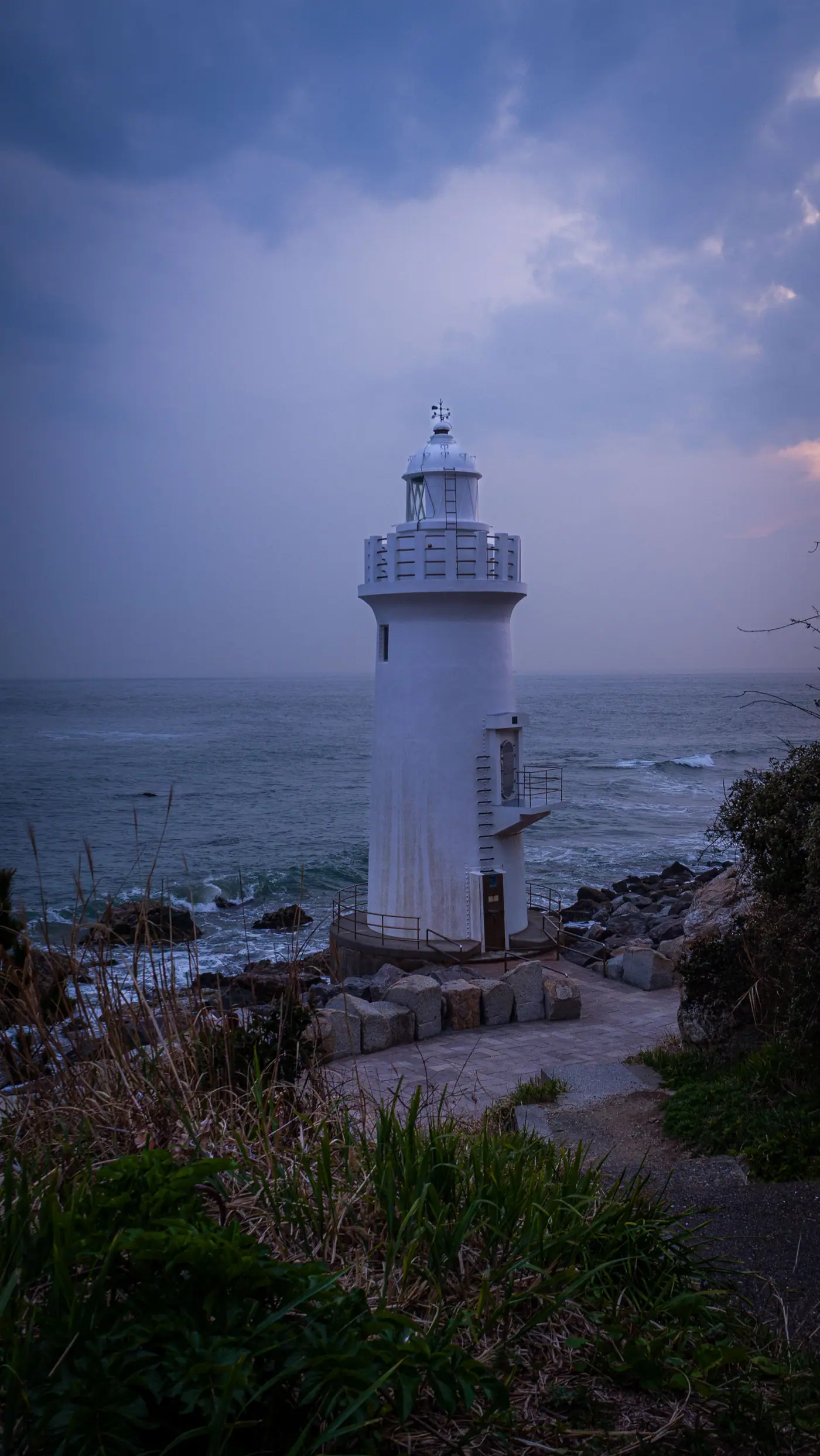
The star of the show is Irago Lighthouse (伊良湖岬灯台). It's a small white lighthouse that sits right at the water's edge, where the Pacific Ocean meets Mikawa Bay. It was built in 1929, and it's on the list of Japan's 50 best lighthouses (日本の灯台50選), which, yes, is a real list, and yes, this one deserves to be on it.
You can't go inside, so don't plan your whole day around it. The appeal is more the setting: the rocks, the waves, the wind (bring a jacket, even when it seems warm back in Nagoya), and the way the light changes out there around sunset. Most of the photos in this post were taken in that last hour before dark, and that's the time to aim for if you can swing it.
Koijigahama beach
Right next to the cape is Koijigahama (恋路ヶ浜), about a kilometer of white sand beach. The name roughly translates to "lovers' path beach," so you'll see couples out there, but it's a nice walk no matter who you're with. Think of it as more of a stroll-and-look beach than a swim-all-day beach. Either way, it's a great place to just stretch your legs after the long ride down.
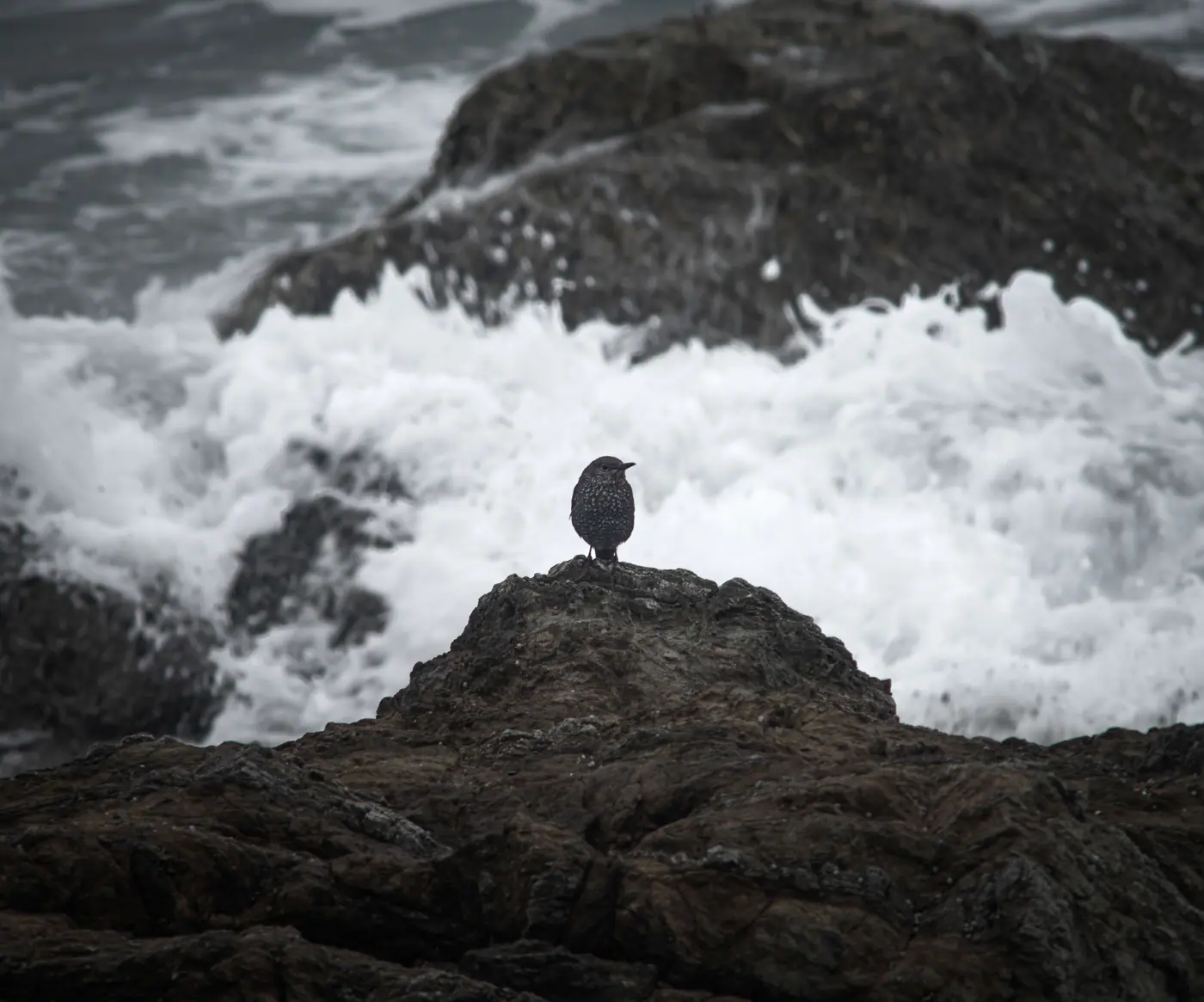
And keep an eye on the rocks. Little birds like to hop around in the spray, and they can steal the show from the lighthouse.
When to go
- Late January to mid-March: the Irago Nanohana Garden is full of yellow rapeseed blossoms. This is the peak season for the peninsula, and it's a great excuse to come in winter when not much else is blooming.
- Spring: if you're coming around cherry blossom season, the Takigashira Sakura Festival in Tahara is worth working into the same trip. All the carp streamers over the sakura make for some fun photos.
- Sunset, any time of year: the lighthouse faces out to the open water, and on a clear evening the sky does a lot of the work for you.
Crowds are rarely a problem here. It's a day-trip destination, not a passing stop, so it never gets the kind of crowds you'll find at the big Nagoya sights. Weekends during nanohana season are the busiest it gets.
Getting there
This is the part that scares people off, but it's actually pretty manageable.
By train and bus: take the Toyotetsu Atsumi Line from Toyohashi Station to Mikawa-Tahara. From there, catch the bus toward Irago (the one bound for Kyukamura) and get off at the "Irago Misaki" stop. The lighthouse is about a 12-minute walk from there. There's also a direct bus from Toyohashi Station that takes around 100 minutes, if you'd rather sit back and not deal with a transfer.
By ferry: this is the fun option. The Isewan Ferry runs between Toba in Mie and Irago, and the crossing takes about an hour. That means you can actually loop Ise and Irago together in one trip without backtracking through Nagoya, which is a nice little trick that not a lot of visitors know about.
By car: honestly, a car is the easiest way to see the whole peninsula, and parking at the cape is free. The drive down from Toyohashi is a nice one too, with farmland on one side and water on the other.
Is it worth it?
If you only have two days in Nagoya, probably not. It's a long way down and you'd be spending a big chunk of your trip in transit. But if you have a little more time, or you're already heading to Ise, Cape Irago is one of the best ways to see a side of Aichi that most visitors (and plenty of people who live here) never do.
You can find the lighthouse on the NipponNavi map, along with the rest of the picks in the Aichi guide.